





Your Face as a Mirror of Health: What Your Skin Color May Really Be Telling You
expert, nutritionist
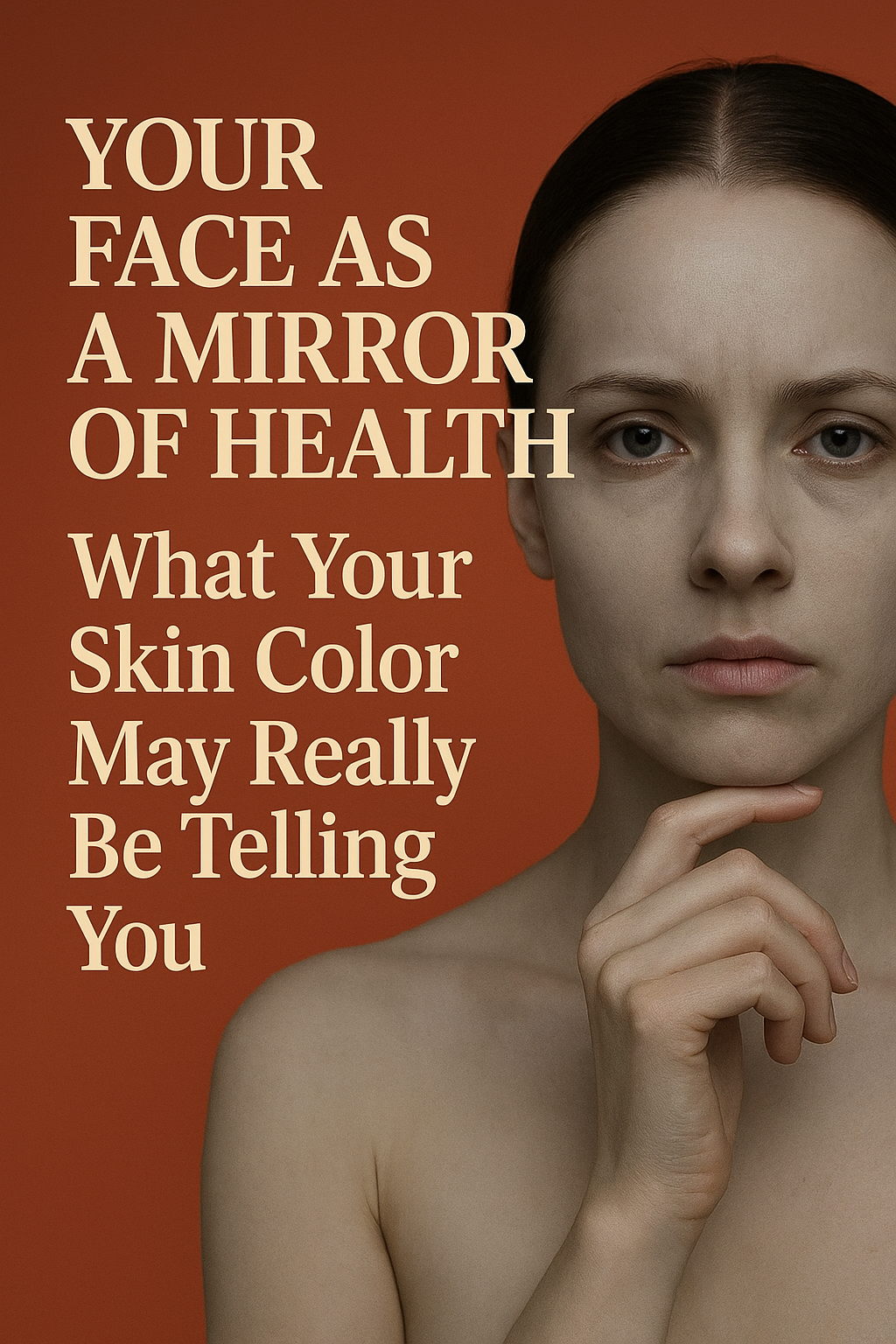
Your face is speaking to you every morning, and most of us never stop to listen. Long before a lab report shows a number out of range, the mirror may already be showing a hint: a greyish tone, a stubborn flush, a faint yellow tint in the whites of the eyes. Have you ever looked at someone and thought, "They look a bit grey today," or "Why are they so red?" That's no coincidence. The face is one of the first places where internal changes in the body can become visible, and anyone who learns to read these shades gains a valuable tool for noticing changes in their own health early.
Even Hollywood isn't immune. In January 2023, actress Anna Kendrick openly told her followers that she lives with anemia, jokingly describing herself as an "anemic little rodent" and asking fans for tips on iron supplements that don't taste unpleasant, as reported by HELLO! magazine. Her post sparked thousands of replies from people sharing the same experience: constant tiredness, a washed-out complexion, and relief once they finally understood the cause.
A friend of mine recently told me something very similar. For months, people around her kept saying she looked pale and tired. She put it down to stress and a busy schedule. When she finally went to her doctor, blood tests showed a marked iron deficiency. Today, after adjusting her diet under medical guidance, she looks completely different, and she feels that way too.
The guide below is, of course, only general and depends on skin type, complexion, level of physical activity and many other factors. Family doctors are specially trained to recognize these shades, but you can learn the basics yourself. Just remember: your face can raise a question, but only a qualified professional can give the answer.
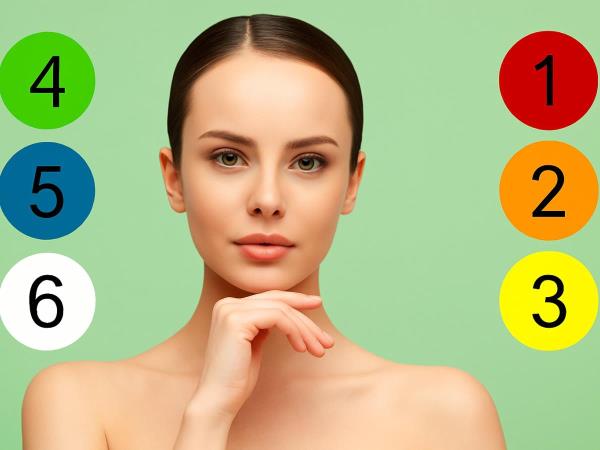
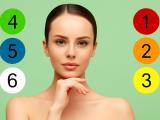
6 Facial Colors and What They May Indicate
1. 🔴 Red
Facial redness is most often a short-lived reaction to stress, anger, fear or another intense emotional state, as the skin responds to changes in blood flow. Red skin can also be triggered by food or drink (for example, spicy dishes or alcohol), sunburn, allergies, or a common skin condition such as rosacea, described in detail by the American Academy of Dermatology. In some people, a persistently flushed face may also go hand in hand with raised blood pressure. If redness persists without an obvious reason, it's sensible to have your blood pressure checked. The American Heart Association points out that high blood pressure often has no clear symptoms at all, which is exactly why regular measurements matter.
2. 🟠 Orange
An orange tint to the skin is most commonly linked to eating large amounts of carrots, pumpkin, sweet potatoes or other foods rich in beta-carotene. This condition is called carotenemia, and according to DermNet it is harmless and fades gradually once intake is reduced. It usually shows first on the palms, soles and around the nose, while the whites of the eyes stay white, which is an easy way to tell it apart from jaundice.
Interestingly, a subtle golden glow from fruit and vegetables is generally perceived as attractive. A study published in PLOS ONE found that within just a few weeks of eating more fruit and vegetables, participants' skin took on a warmer tone that observers rated as healthier-looking. If you love carrots, you may be pleased to read that New research suggests the beta-carotene in carrots may be far easier for the body to absorb once cooked than raw.
In rarer cases, however, a yellow-orange tone that can't be explained by diet may be associated with other conditions, including metabolic, thyroid, liver or kidney issues. Any persistent orange tint that isn't diet-related is a good reason to talk to your doctor.
3. 🟡 Yellow
A yellowish face can be a quiet signal that something may be affecting the liver or gallbladder. In medicine, this is known as jaundice (icterus), and it results from raised levels of bilirubin in the blood. The NHS notes that jaundice typically shows as yellowing of the skin and the whites of the eyes. The liver is a remarkably hard-working organ: according to the American Liver Foundation, it carries out hundreds of vital functions, among them processing bilirubin. Everyday eating habits matter here too. Read how How do 2 weeks without bread and pasta bring your liver to its senses? and discover the research behind Tomato as a Shield for the Liver and Brain: What Happens When We Take Red Vegetables Seriously. When yellowing is clearly visible on the skin or in the whites of the eyes, see a doctor promptly.
4. 🟢 Green
A greenish, sallow tinge to the skin may be associated with digestive problems, high doses of certain medicines, or urinary tract issues. Historically, however, it was most often linked to hypochromic anemia, a form of iron deficiency. In past centuries, doctors even called it "chlorosis" or "green sickness" because of the faint greenish-pale complexion seen in some young women. According to the World Health Organization, anemia remains a widespread global health concern, and iron deficiency is one of its most common causes. Iron is essential for making hemoglobin, which carries oxygen around the body. When levels drop, it can show up quickly on the face, as well as in tiredness and pallor (see the NHS overview of iron deficiency anaemia).
Vegetarians and vegans need to pay particular attention, as iron from plant sources (non-heme iron) is absorbed less efficiently than iron from meat (heme iron). The good news is that smart food pairings can make a real difference. Learn which 11 foods that help or hinder iron absorption, see how vitamin C works in Foods that Improve Nutrient Absorption, and get practical ideas in Enrich your menu with iron. If you suspect anemia, ask your doctor about a blood test before reaching for supplements.
5. 🔵 Blue
A bluish or purplish tint on the face, lips or around the eyes (medically known as cyanosis) is generally a sign that tissues may not be getting enough oxygen. MedlinePlus, a service of the U.S. National Library of Medicine, lists a range of possible causes involving the heart, lungs or breathing. Chronic bronchitis, asthma and heart failure are among the more common ones. A bluish face is a serious warning sign that calls for immediate medical attention. If it appears suddenly, especially with shortness of breath, call emergency services. Please don't ignore it.
6. ⬜ White (Pallor)
A pale face is often associated with anemia, a weakened immune system or kidney problems. It can also point to an underactive thyroid gland (hypothyroidism). According to the American Thyroid Association, roughly one in eight women will develop a thyroid condition during her lifetime, and many people are unaware of it. Through its hormones, the thyroid helps regulate metabolism, body temperature and overall wellbeing. When it slows down, the skin can turn greyish and dry, and hair may thin, as the NHS explains.
For a deeper look, read The Small Gland That Can Quietly Turn Your Life Upside Down: What Happens When Your Thyroid Loses Its Rhythm. Iodine plays a key role as well, which is why you may find Can't you lose weight? Maybe you lack iodine? eye-opening. Those who want to know which foods may support the thyroid, and which may get in its way, can explore The energy of seven juices for a better thyroid and Broccoli, Plastic, and Pesticides: Who is Quietly Sabotaging Your Thyroid?
A Nutritionist's Plate for a Healthy Complexion
No food can replace a medical check-up, but a varied diet gives your skin the building blocks it needs to look its best. From a nutritionist's point of view, a few simple habits go a long way:
- Eat the rainbow: orange, red and dark green vegetables provide carotenoids and antioxidants that contribute to a naturally warm, even skin tone. For inspiration, see 7 types of vegetables that heal the body.
- Pair iron with vitamin C: add peppers, citrus or kiwi to meals with lentils, beans or leafy greens, and keep coffee and tea for between meals rather than with them.
- Mind your iodine and selenium: fish, seafood, eggs, dairy and a few Brazil nuts help support normal thyroid function.
- Go easy on alcohol and ultra-processed food: your liver, and your complexion, will thank you.
- Stay hydrated: even mild dehydration can make the skin look dull and tired.
If you'd like to read more about recognizing low iron through everyday signs, our article Natural remedies for anemia covers the most common symptoms and the foods that may help.
When Is Facial Color Really a Reason for Concern?
A brief change in color during emotional excitement, in hot weather or after exercise is completely normal. It becomes a cause for concern when a shade persists for days or weeks without a clear reason, when it appears together with fatigue, pain, dizziness or a rash, or when the color changes quickly and intensely with no obvious trigger.
Here's a general rule that nutritionists and doctors recommend to everyone: if a symptom persists for more than two weeks, or appears together with two or more other signs, talking to your doctor is always the right decision. Your face is an excellent mirror of your health, but a diagnosis should always come from a qualified professional.
Information on this website is for educational purposes only and is not medical advice.
expert, nutritionist
 Would you like to be informed about news on the website?











|

