




Why a True Gourmet Will Never Be Caught Peeling Potatoes – and Why This Recipe Proves It
expert, nutritionist
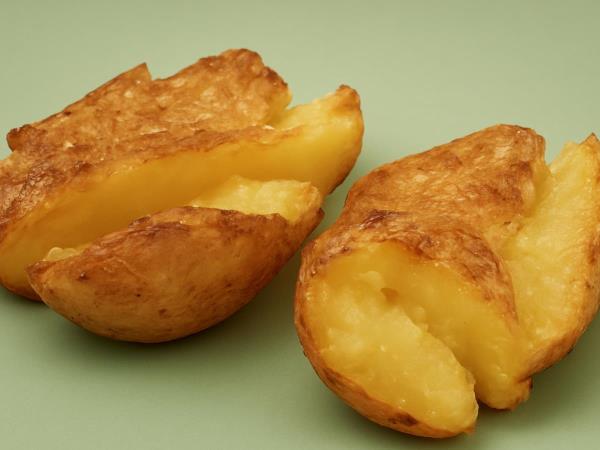
Every time you run a peeler over a potato, about half of its fiber goes straight into the bin. According to Potatoes USA, a medium potato has about 2 grams of fiber with the skin and only about 1 gram without it. Then there's the flavor: the skin is the part that crisps, browns and crackles in a hot oven. Throwing it away means losing the best part twice. That's why the K.O. potato never sees a peeler. It uses only three ingredients, a hot oven and one firm press of the hand.
The Food Network Star Who Fell for "Crashed" Potatoes
The idea of boiling small potatoes, flattening them and roasting them until crisp isn't new. One of its best-known fans is Ree Drummond, the cook and TV host behind The Pioneer Woman. In a 2008 blog post, she wrote that she had found the technique through the Australian food writer Jill Dupleix. She called the dish "so simple, it's terrifying" and said it had become one of her favorite sides for a big piece of beef, as Cheatsheet reported. Her readers clearly agreed. Years later, her Crash Hot Potatoes were the most popular recipe on her website for all of 2020, according to Mashed. Like our K.O. potato, her recipe keeps the skin on. That skin is what gives the crunchy edges that keep people coming back for more.
Home cooks report the same thing. On the AmazingRibs pitmaster forum, one member made the dish with small red potatoes, added a pinch of smoked paprika and called it very easy, crispy and full of flavor. A food blogger who makes these potatoes again and again serves them with roast chicken and says the tops get nicely crisp every time.
What's Really Hiding in the Potato Skin?
A popular kitchen saying claims that "all the goodness is in the skin." The truth is more nuanced and still a good reason to leave the peel on:
- Fiber: The skin holds roughly half of a potato's dietary fiber. Peeling removes more fiber than any other nutrient (Potatoes USA fact sheet).
- Plant compounds: A 2025 review in the journal Foods notes that potato peels can contain up to ten times more phenolic compounds than the flesh. The main one is chlorogenic acid, which researchers study for its antioxidant activity (Ruggieri et al., Foods, 2025). Another review in CyTA – Journal of Food says that peels also contain minerals such as calcium, phosphorus and iron, along with some B vitamins (CyTA – Journal of Food, 2023).
- The flesh matters too: Most of a potato's potassium and vitamin C sits in the flesh. Eating the whole potato, skin and all, gives you the complete package (PotatoGoodness.com).
There's one more thing in the potato's favor: it's filling. In the well-known 1995 "satiety index" study from the University of Sydney, boiled potatoes came out as the most filling of 38 common foods. They scored about three times higher than white bread, calorie for calorie (Holt et al., European Journal of Clinical Nutrition, 1995). It was one small study, but it suggests that a plate of simple oven-baked potatoes may keep you satisfied for quite a while.
K.O. Potatoes: The Recipe
Ingredients:
- sixteen small potatoes, about the size of an egg
- olive oil
- salt
Preparation:
Wash the potatoes well (a vegetable brush works best, since you'll be eating the skin) and boil them until tender. Line a baking tray with baking paper and arrange the potatoes on it, four in a row. Press each potato with your palm or a kitchen towel until it cracks open. A potato masher or the bottom of a glass works too. Drizzle a teaspoon of olive oil over each one and season with sea salt.
Bake in an oven preheated to 200 {-15696}C (about 390 {-15696}F) for at least half an hour. If you like your potatoes more golden and crispy, leave them in longer.
Serve with a salad, or simply with mayonnaise and ketchup.
Tip: The best potato for this recipe is the red variety Red Scarlett (often sold as Red Scarlet), bred by the Dutch company HZPC.
Red Scarlett is an early variety that we usually buy as new potatoes. It has oval to elongated tubers, red skin and yellow flesh. After boiling, it stays moist, waxy and firm, and it doesn't fall apart. This variety is good for baking and roasting. It's especially recommended for oven-baked potatoes with the skin on and for boiled potatoes in salads.
Of course, you can use any potato and season it to your taste before baking. You can sprinkle the potatoes with Parmesan, or use butter instead of olive oil. Fresh rosemary, garlic, smoked paprika or a little chili also work well.
The dish contains no gluten. Potatoes, olive oil and salt are all naturally gluten-free. If you avoid gluten for medical reasons, check the labels of any seasoning blends or sauces you serve alongside. The Celiac Disease Foundation has helpful guidance.
A Few Smart Habits for Skin-On Potatoes
- Scrub, don't peel. A good wash under running water removes soil and most surface residue.
- Watch for green patches. If a potato has turned slightly green or has sprouts, cut those parts away before cooking. Potatoes USA gives the same advice in its potato FAQs. Store potatoes in a cool, dark place to help prevent greening.
- Go easy on the salt. The crispy skin brings so much flavor that a light pinch is enough. The World Health Organization encourages most adults to keep their daily salt intake moderate.
- Choose the oven over the deep fryer. A teaspoon of olive oil per potato gives you crunch without the oil bath of classic fries.
More Potato Ideas on Foodwhisper
- A dish that smells like summer
- The 3-Ingredient Muffin-Tin Trick That Turns Leftover Potatoes Into Golden, Crispy Bites
- Is sweet potato really better than regular?
- How to make potato juice?
- Does French fries really increase the risk of anxiety and depression?
Information on this website is for educational purposes only and is not medical advice.
expert, nutritionist
 Would you like to be informed about news on the website?












|

