




The Sunshine Vitamin Without the Sun: 7 Foods That Help Top Up Your Vitamin D
expert, nutritionist
Here is a surprising number: according to a landmark review by Boston University's Dr. Michael Holick, published in the New England Journal of Medicine, an estimated one billion people worldwide have vitamin D levels that are too low. And here is the good news: part of the answer may already be sitting in your kitchen, among the fish, mushrooms, eggs and that old-fashioned bottle of cod liver oil your grandmother swore by.
Even Hollywood stars are not immune. In 2010, Oscar-winning actress Gwyneth Paltrow wrote in her GOOP newsletter that, after a leg fracture, a bone scan showed early signs of osteopenia, and that tests revealed her vitamin D levels were, in her words, "the lowest they had ever seen." As ABC News reported, her doctors put her on a vitamin D plan and advised her to spend a bit more time in the sun, advice she admitted surprised her after years of avoiding it. Her story is a useful reminder: you can eat "clean," look radiant and still run low on this one nutrient without knowing it.
Many of us recognise a milder version of this in our own lives. Office days spent indoors, commutes in the dark, and winters when the sun barely clears the rooftops all add up. Readers often tell us the same thing: they feel more sluggish from November to March and only think about vitamin D when a routine blood test points to it. If that sounds familiar, the foods below are an easy, tasty place to start.
Why vitamin D deserves your attention
Low vitamin D is often described as a global health concern. The estimated figure of more than a billion people with insufficient levels comes from Holick's review, and the problem tends to be more pronounced in autumn and winter, when the sun sits low and our skin produces much less of it. People living far from the equator, older adults, people with darker skin and those who spend most of their time indoors are especially likely to fall short.
The vitamin D family plays several important roles in the body. According to the U.S. National Institutes of Health (NIH) Office of Dietary Supplements, vitamin D helps the body absorb calcium and phosphorus, which supports normal development and maintenance of bones and teeth. It also contributes to the normal function of the immune system and of muscles. Researchers continue to study its possible links with many other aspects of health, but the evidence there is still developing, so it is best not to think of vitamin D as a cure-all.
How much do we need? The NIH lists 600 IU (15 micrograms) per day for most adults and 800 IU (20 micrograms) for people over 70. In Europe, the European Food Safety Authority (EFSA) sets an adequate intake of 15 micrograms a day for adults. The catch: very few foods naturally contain much vitamin D, so it pays to know which ones do.
If you are looking for more ways to support your body through the colder months, take a look at 7 Natural Juices to Help You Stay Strong Through the Autumn Cold Season and Warm Water with Turmeric Against Winter Troubles.
1. Cod liver oil
This oil is often called the holy grail of vitamin D, and for good reason. According to NIH data, a single tablespoon contains around 1,360 IU, roughly 1.7 times the daily value used on U.S. food labels and more than twice the 600 IU recommended for most adults. It is also a source of omega-3 fatty acids, which contribute to normal heart function.
A word of caution from a nutritionist's point of view: cod liver oil is also very rich in vitamin A, and more is not better. Stick to the dose on the label, do not combine it with other vitamin A or D supplements without advice, and if you take any regular medication (for example, blood thinners) or are pregnant, check with your doctor or pharmacist first. The NIH sets an upper limit of 4,000 IU of vitamin D per day for adults.
2. Mushrooms
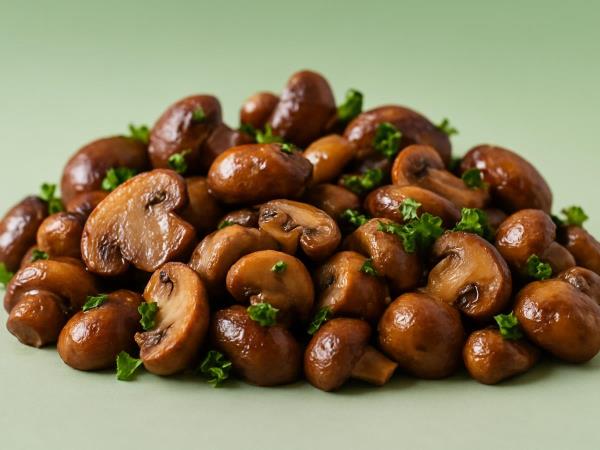
Mushrooms are an excellent meat alternative, and they are the only food in the produce aisle that can make vitamin D on their own. Like our skin, they produce it when exposed to ultraviolet light. The catch is that most commercially grown mushrooms are cultivated in the dark, so they contain very little. Mushrooms treated with UV light are a different story: the NIH lists about 366 IU in half a cup of UV-exposed white mushrooms, which rivals a portion of salmon.
Practical tips: look for "UV-treated" or "high in vitamin D" on the label, or try a trick many home cooks swear by and leave sliced mushrooms gill-side up in the midday sun for a while before cooking. Wild mushrooms such as chanterelles and morels, which grow outdoors, also tend to contain more, as the Center for Science in the Public Interest points out.
The good news for grill lovers: a study from the Technical University of Denmark published in Food Chemistry found that the vitamin D in mushrooms holds up reasonably well to normal household cooking. Grilled or pan-roasted mushrooms are a delicious and healthy choice. Keep in mind that mushrooms provide vitamin D2, while animal foods provide D3. Both raise blood levels, although D3 is generally considered somewhat more effective.
3. Fatty fish
The fat in tuna, trout, mackerel, herring, sardines and salmon is naturally rich in vitamin D, which is why many nutritionists rank these fish among the true superfoods. According to the Dietary Guidelines for Americans, a 3-ounce (85 g) portion of rainbow trout provides around 645 IU, and cooked sockeye salmon about 570 IU. Either covers most or all of a typical adult's daily need in one meal.
Where your fish comes from matters. A study published in the Journal of Steroid Biochemistry and Molecular Biology found that farmed salmon contained only about a quarter of the vitamin D of wild-caught salmon, although modern fish feeds can narrow the gap. As Healthline notes, even the sea the fish was caught in can make a difference.
Cooking method counts too: the same Danish research group found that frying can reduce vitamin D more than gentler methods, so baking, steaming or poaching your fish is a smart habit. Eating fatty fish about twice a week is a simple goal that fits most dietary guidelines.
4. Fortified orange juice
Here is a common misconception worth clearing up: oranges themselves contain virtually no vitamin D. What they do offer is plenty of vitamin C. In some countries, however, manufacturers fortify orange juice with vitamin D and calcium. According to the NIH, a cup of fortified orange juice provides around 100 IU, similar to a glass of fortified milk.
The combination of vitamin C, vitamin D and calcium in one glass makes fortified juice a convenient breakfast addition for people who do not drink milk. Two caveats: always check the label, because fortification varies a lot by brand and country (in many European markets it is still rare), and remember that juice contains natural sugars, so one small glass a day is plenty.
5. Fortified breakfast cereals and oats
Breakfast cereals and some instant oat products are often fortified with vitamin D. Depending on the brand and the country, a serving can provide anywhere from around 10% to 25% of the daily value, sometimes more, so the nutrition label is your best friend here. When you pour fortified milk or a fortified plant drink over your bowl, you add even more: according to the NIH, a cup of fortified milk contains around 120 IU.
Choose wholegrain options with little added sugar, top them with fruit and nuts, and you have a breakfast that does more than just fill you up. For more ideas on small but meaningful upgrades, read Six Tricks to Turn Your Favourite Foods into Healthier Choices – Without Giving Anything Up.
6. Eggs
Eggs can be used for breakfast, lunch, dinner and every snack in between, and that versatility is exactly what makes them such a handy food. One large egg contains around 44 IU of the sunshine vitamin, according to NIH data, and almost all of it is in the yolk. That is not a lot on its own, but because eggs show up on our plates so often, the amounts add up over a week.
The way the hens are raised also matters. Eggs from free-range hens that spend time outdoors, or from hens given vitamin D-enriched feed, can contain noticeably more, as explained in a 2023 study in the journal Foods.
It is also worth knowing that cooking costs some vitamin D. Research from the Technical University of Denmark, published in Food Chemistry, found that frying eggs retained around 82–84% of their vitamin D, which means a loss of roughly 15–20%. Baking eggs in the oven for 40 minutes, for example in a casserole, retained less than half. A smaller study in the Journal of Advanced Veterinary Research also found that boiling preserved more vitamin D than frying. Boiled, poached or scrambled eggs are therefore a sensible everyday choice.
7. Plant-based milk alternatives
Plain plant-based drinks often fall short of the originals nutritionally, but once they are fortified with vitamin D and calcium, they become genuinely useful foods. This mainly applies to soy, almond and oat drinks, as well as plant-based yogurts, cheeses and spreads. According to HealthCastle, a cup of fortified soy or almond drink can provide anywhere from about 40 to 120 IU, depending on the brand.
Always read the label: unfortified and many organic versions contain little or no vitamin D. Plant-based options are especially helpful for vegans and for people who do not tolerate dairy well. If that describes you, you may also find Lactose: The Quiet Troublemaker for Most People on the Planet – and What You Can Do About It useful.
A simple winter plan for more vitamin D
- Fatty fish twice a week: salmon, trout, mackerel, herring or sardines, ideally baked or steamed.
- Eggs several times a week: boiled, poached or scrambled rather than heavily fried.
- Mushrooms with a "sun boost": choose UV-treated mushrooms or put them in the sun before cooking.
- Fortified staples: milk or plant drinks, cereals and, where available, orange juice. Check the labels.
- Don't forget the real sun: on bright days, a short walk outdoors around midday helps, while avoiding sunburn.
Even with the best menu, food alone often provides only part of what we need in winter. As the NIH notes, few foods naturally contain vitamin D. If you are unsure about your levels, a simple blood test is the most reliable way to find out, and your doctor can advise whether a supplement makes sense for you.
Information on this website is for educational purposes only and is not medical advice.
expert, nutritionist
 Would you like to be informed about news on the website?












|

