




Honey Instead of Sugar? It's Not Quite as Healthy as You Think
expert, nutritionist
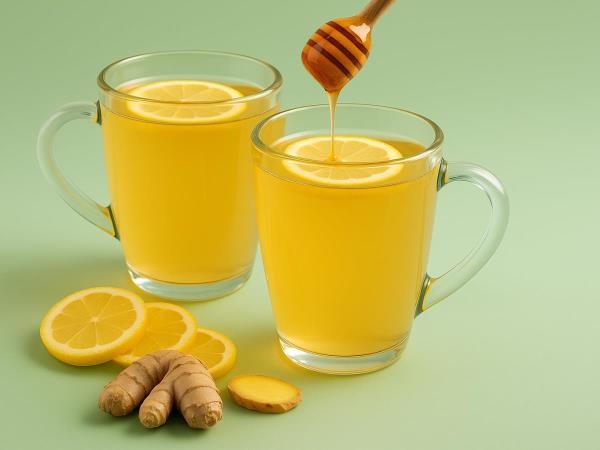
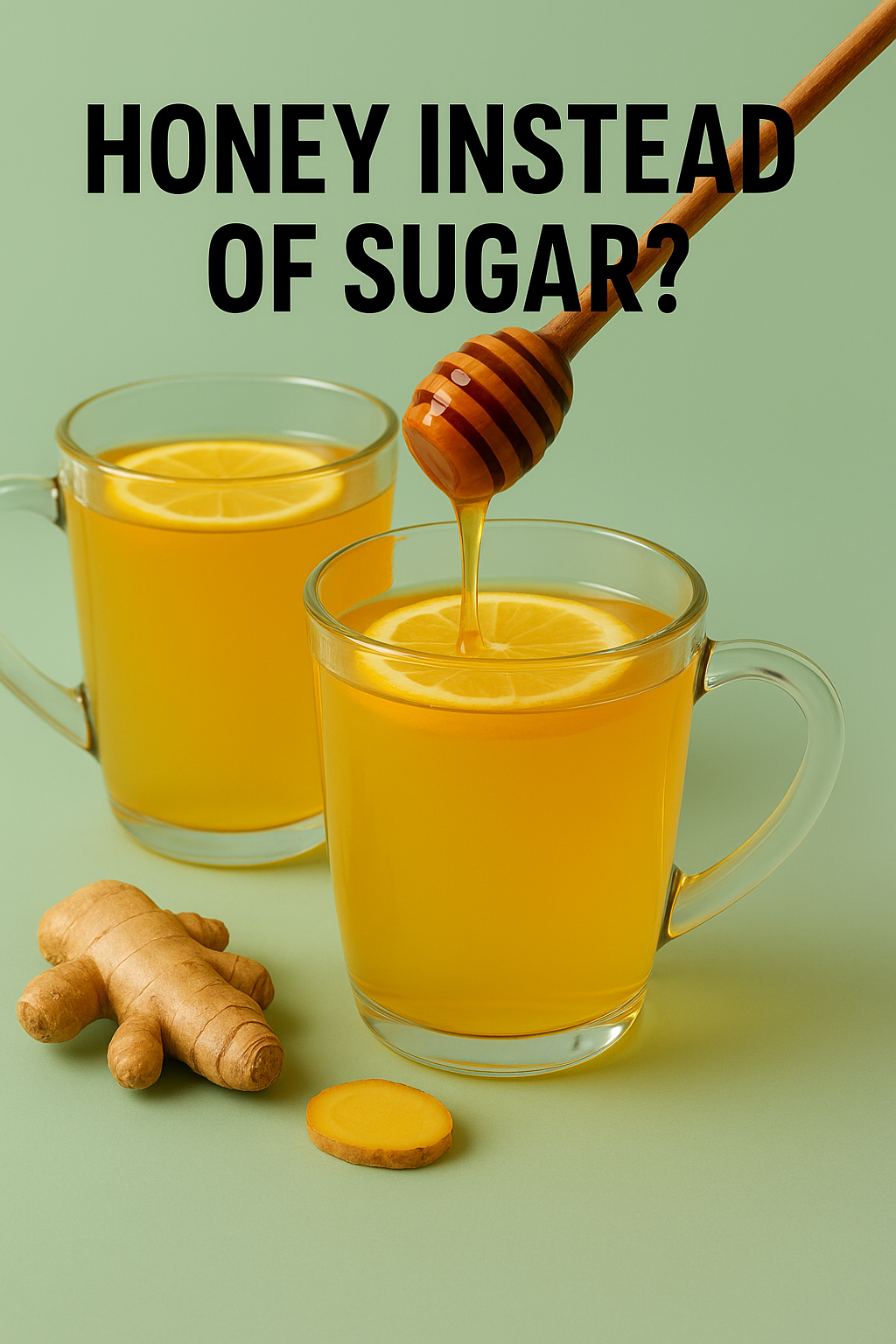
Here's the surprise most tea lovers never see coming: that "healthier" spoonful of honey you stir into your evening cup can add more calories than the sugar it replaced. Before you drizzle it into a steaming mug, read on to find out when this swap is a good idea and when it isn't.
Even a King Prefers Honey
The honey habit has some very famous fans. According to Grant Harrold, a former royal butler, King Charles III prefers honey to sugar and even uses it to sweeten his coffee, while the late Queen Elizabeth II and Prince Philip remained devoted tea drinkers to the end. Supermodel Adriana Lima has said in interviews that a little honey in her morning coffee helps her avoid sugar cravings later in the day.
It's an appealing idea, and honey certainly has charm. But a royal preference doesn't change the arithmetic in your cup. It's a familiar story among people who start logging what they eat: they switch from sugar to honey, feel virtuous about it, and then discover that their daily total hasn't dropped at all. In many cases, it has crept up.
Honey vs. Sugar: What You Actually Get
When we replace sugar with honey, we should always keep in mind that refined sugar provides energy and virtually nothing else, while honey contains a whole range of other compounds, including small amounts of potassium, chlorine, phosphorus, calcium, iron, several B vitamins, enzymes and plant antioxidants. Honey has also been studied for its antibacterial properties.
That said, it's worth being realistic: the vitamins and minerals in honey are present only in very small amounts. A teaspoon or two won't make a meaningful contribution to your daily needs. And like any sugary food, honey can feed the bacteria that contribute to tooth decay when it's eaten often and in large quantities. So the "antibacterial" bonus doesn't extend to your teeth if you overdo it.
Many people don't realize that honey is also sugar and contains a similar amount of energy. According to the USDA FoodData Central database, 100 grams of honey contains roughly 300 calories, while 100 grams of white sugar contains roughly 385 to 390 calories. Gram for gram, honey looks like the lighter option, but that's not the whole story.
This is also why the World Health Organization's guideline on sugars intake explicitly counts honey as a "free sugar," in the same category as table sugar and syrups. The WHO suggests keeping free sugars below 10% of daily energy intake, ideally closer to 5%. The Dietary Guidelines for Americans also treat honey as an added sugar. As dietitian Emma Laing of the University of Georgia pointed out in an interview, the 10% recommendation includes honey.
The Spoon Trap: Why Weight Matters
An even more important fact is that honey is much heavier than sugar. Honey is a dense liquid, while granulated sugar is made of crystals with plenty of air between them. A level teaspoon of honey weighs about 7 grams, compared with about 4 grams for a teaspoon of sugar. So when you eat a teaspoon of honey, you're taking in noticeably more sweetener by weight than with a teaspoon of sugar.
More weight also means more calories. A teaspoon of honey provides around 21 calories, while a teaspoon of sugar provides about 16. The difference looks small on paper, but it adds up quickly if you have several sweetened cups a day.
Honey does taste sweeter than sugar to many people, which means you could use less of it. In practice, though, most of us use the same spoon and the same "one heaped teaspoon" habit we always have, and that's exactly where the extra calories come from.
Hot Tea and Honey: A Delicate Pair
There's one more property of honey we shouldn't forget. Honey's more delicate components, especially its natural enzymes, are sensitive to heat. Laboratory studies show that enzymes such as invertase and diastase lose activity as temperature and heating time increase. Research published in the Journal of Food Science and Technology found that diastase and invertase activity declined with rising temperature, while levels of hydroxymethylfurfural (HMF), a compound used as a marker of heat damage, increased. A separate study of acacia honeys reported that heating reduced diastase activity and total phenolic content.
Many beekeepers and nutrition experts therefore suggest keeping honey below roughly 40 degrees Celsius if you want to preserve these more fragile components. Put differently: if you stir honey into tea at 70 or 80 degrees, much of what makes honey "special" may be diminished. Its sugars and calories, however, stay exactly where they are.
So if your main reason for choosing honey is its extra goodness, the practical tip is simple: let your tea cool to a comfortable drinking temperature before adding honey. If you like your tea very hot and simply want sweetness, there's little advantage to honey, and a smaller amount of sugar may actually mean fewer calories.
Your Cup, by the Numbers
It's not unusual for a cup of tea sweetened with a couple of teaspoons of honey to reach 40 to 50 calories, while the same cup sweetened with sugar comes in at around 30.
The difference is clear. Over three cups a day, that's an extra 30 to 60 calories you may not have counted, which over weeks and months is not nothing if you're keeping an eye on your intake.
Where Honey Can Still Earn Its Place
None of this means honey is a bad choice. It has a richer flavor, so a small amount can go a long way, and some research has explored its potential advantages over refined sugar. A 2023 systematic review and meta-analysis of 18 controlled trials, published in Nutrition Reviews by researchers from the University of Toronto, suggested that honey, particularly raw and single-source varieties, may have modest favorable effects on some blood sugar and cholesterol markers when it's part of an overall healthy diet. The authors stressed that this applies to moderate intake, not to adding more sweetener.
Honey is also a time-honored companion for a scratchy throat. A Cochrane review found that honey may help ease cough symptoms in children over one year old, compared with no treatment. One important caution: according to the U.S. Centers for Disease Control and Prevention (CDC), honey should never be given to infants under 12 months because of the risk of infant botulism.
If you're exploring other options, our article Sweeter Than Honey, Yet Gentle on Blood Sugar: The Truth About Agave Syrup looks at a popular alternative with its own trade-offs, and Sugar Is the New Fat - So What's the New Sugar? explains what's really inside sugar alcohols and other substitutes. And if you think your breakfast is sugar-free, take a look at Sugary Breakfast Cereal: The Wolf in Sheep's Clothing That Might Be Draining Your Morning Energy.
Smart Ways to Sweeten Your Tea
- Measure, don't pour. Use a level teaspoon rather than a heaped one or a free-flowing drizzle.
- Let it cool first. Add honey once your tea is warm rather than boiling hot.
- Use less. Because honey tastes sweeter, try half a teaspoon and see if it's enough.
- Choose flavor over quantity. A darker, more aromatic honey (such as chestnut or forest honey) delivers more taste with a smaller amount.
- Scale back gradually. Your taste buds adapt, and many people find that after a few weeks, lightly sweetened tea tastes just right.
The Bottom Line
Honey is a lovely natural food with a richer profile than white sugar, but it is still sugar. Spoon for spoon, it usually adds more calories, and much of its delicate goodness may fade in very hot drinks. If you enjoy honey, keep enjoying it, just in smaller amounts and in tea that has cooled a little. And if you're mainly after sweetness in a piping-hot cup, a modest amount of ordinary sugar may serve you just as well.
Information on this website is for educational purposes only and is not medical advice.
expert, nutritionist
 Would you like to be informed about news on the website?







|

