




Sugary Breakfast Cereal: The Wolf in Sheep's Clothing That Might Be Draining Your Morning Energy
expert, nutritionist
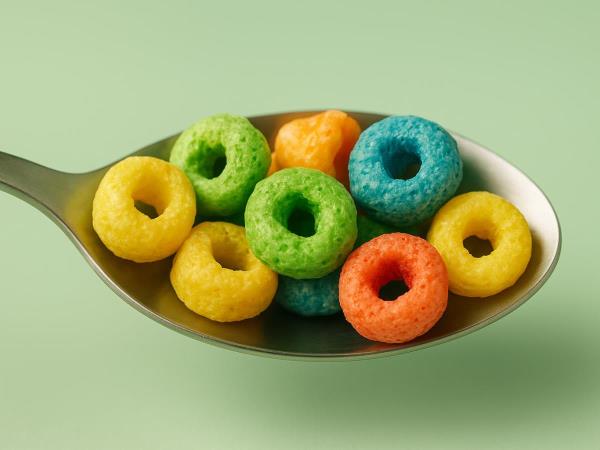
We've all heard that breakfast is the most important meal of the day. There's something to that: what you eat in the morning tends to set the tone for your energy, focus, and mood for hours afterward. The problem is that not all breakfasts are created equal. Some look perfectly innocent on the box — smiling cartoon characters, "made with whole grains," a rainbow of colors — while underneath, they're mostly sugar, additives, and empty calories dressed up as a wholesome start to the day.
One of the biggest offenders sits quietly on supermarket shelves and on breakfast tables everywhere: industrially produced breakfast cereal.
A friend of mine, a nurse who works early shifts, told me she used to pour a bowl of a well-known "kids'" cereal most mornings because it was fast and her children loved it. It wasn't until she started reading nutrition labels for a work wellness challenge that she realized her "healthy" breakfast was delivering more sugar before 7 a.m. than she'd normally allow herself in an entire day. She's not alone — and the numbers back up why so many of us are in the same boat without realizing it.
Why Breakfast Cereal Isn't Always What It Seems
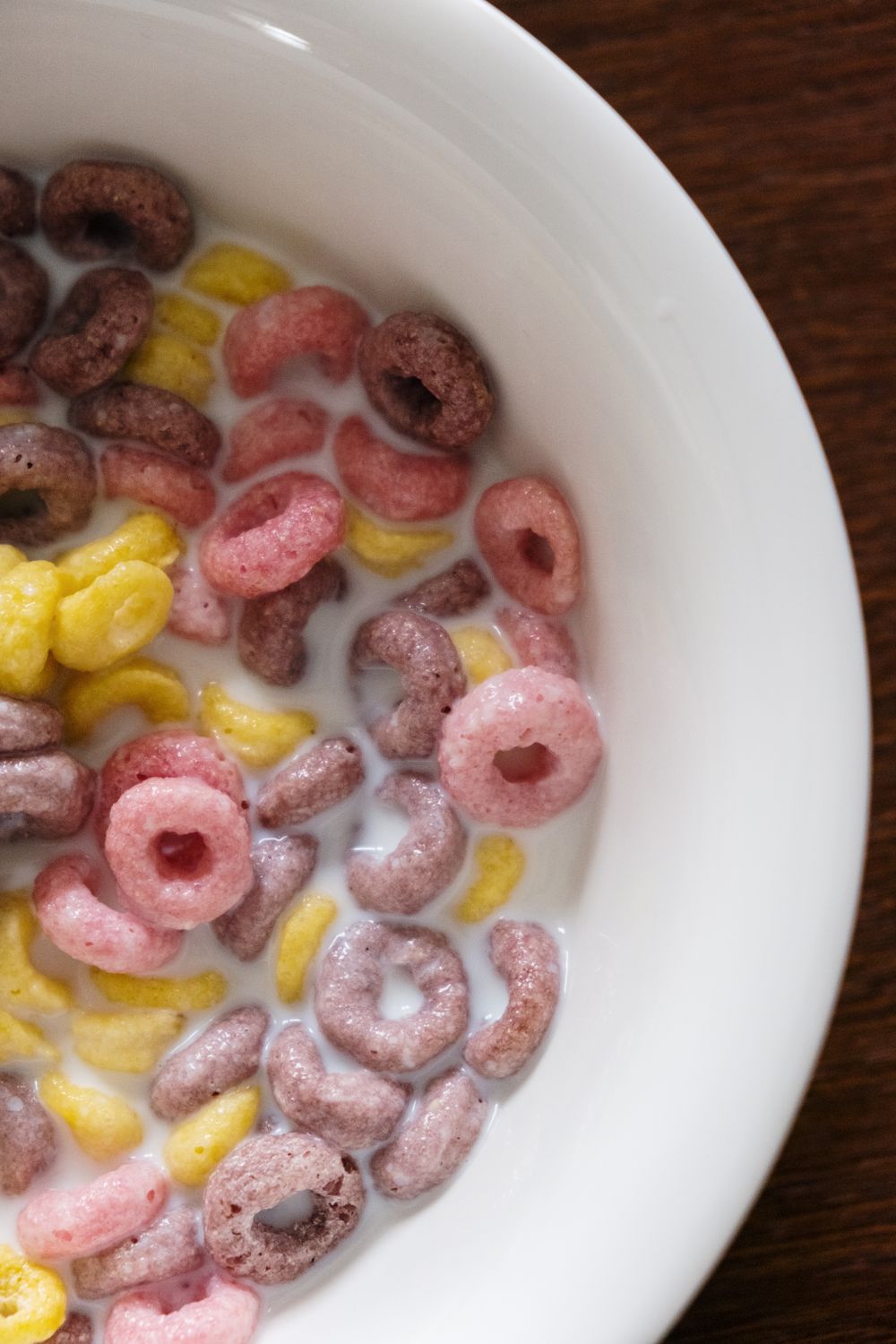
Cereal ads show happy children crunching on colorful, vitamin-fortified flakes. Look past the marketing, though, and the picture changes. A typical serving (around 30 grams) of sweetened cereal can contain roughly 8 to 12 grams of sugar — close to three teaspoons. The World Health Organization suggests that adults consider keeping "free sugar" intake to around 25 grams a day for extra health benefits, and less for children. A single bowl of the wrong cereal can already use up a meaningful chunk of that.
A UK-based analysis by Action on Sugar found that around 92% of cereals marketed to children still contained high or medium levels of sugar, despite years of reformulation pledges from manufacturers. In recent years, some brands have started trimming sugar content — often replacing it with artificial sweeteners instead. That sounds like progress, but it may just be trading one issue for a different one.
Artificial Sweeteners: When the "Fix" Brings Its Own Questions
To cut sugar without losing sweetness, many cereal makers turn to sugar alcohols, and erythritol is one of the most common. It tastes sweet, contains very few calories, and on paper looks like an easy win.
The reality is a bit more nuanced. Because sugar alcohols aren't fully absorbed in the small intestine, eating enough of them can draw water into the gut, and some people notice bloating, gas, or looser stools as a result — an effect documented in food-safety reviews such as the 2023 review of erythritol's dietary role published in Nutrients. For people who are sensitive to it, that can also mean some disruption to their normal gut bacteria balance — the community of microbes, often called the microbiome, that helps with digestion and supports the immune system.
There's also an open scientific conversation about erythritol and heart health. A widely discussed 2023 study in Nature Medicine, led by researchers at the Cleveland Clinic, found that people with higher blood levels of erythritol were more likely to experience a cardiovascular event over the following years, and follow-up lab work suggested the sweetener could make blood platelets more prone to clotting. The authors and outside reviewers have been careful to note that this doesn't prove erythritol causes heart problems — it's an association, not a confirmed cause-and-effect link, and more research is underway. Still, it's a reasonable reason to not treat "sugar-free" as an automatic green light, especially for anyone already managing cardiovascular risk factors.
Why This Kind of Breakfast Can Leave You Running on Empty
Sugary cereal has another quiet drawback: it's usually short on protein and fiber. Protein helps you feel satisfied and supports muscle maintenance; fiber slows digestion and helps keep blood sugar more stable. Without much of either, a bowl of cereal tends to send blood sugar up quickly — and then back down just as fast, leaving you tired, foggy, and hungry again within an hour or two.
That pattern shows up in the data, too. Ready-to-eat cereal is one of the more consistently identified sources of added sugar in children's diets, and lower-fiber, lower-protein breakfasts have been linked in nutrition research to more snacking and higher overall calorie intake later in the day. If your mid-morning routine involves a trip to the vending machine around 10 a.m., what you ate at 7 a.m. may be part of the reason.
What Breakfast Looked Like Before the Cereal Box
It's worth remembering that "breakfast cereal" as we know it is a fairly recent invention. Earlier generations started the day with things like porridge, oats, or bread with soured milk or yogurt — simple, inexpensive foods that happened to deliver steady energy and real nutrients.
Oats, in particular, hold up well under modern scrutiny. They contain beta-glucan, a soluble fiber that has been linked to lower LDL ("bad") cholesterol and steadier blood sugar. A 2021 systematic review and meta-analysis pooling data from more than 470,000 people found that higher oat consumption was associated with a meaningfully lower risk of developing type 2 diabetes compared with low or no oat consumption.
Buckwheat, once a staple on Slovenian tables and now enjoying something of a comeback, is another old-fashioned option worth a second look: it's relatively high in protein for a grain-like food and contains rutin, a plant compound studied for its potential role in supporting blood vessel health.
Building a Better Breakfast
Nutrition-minded experts generally suggest anchoring breakfast around protein, fiber, and healthy fats — a combination that tends to keep you fuller for longer and support more even energy through the morning. A few simple, realistic options:
Greek yogurt with chia and berries. A 200-gram serving of plain Greek yogurt delivers around 10 grams of protein. Stir in a spoonful of chia seeds — among the more fiber-dense foods available, at roughly 34 grams of fiber per 100 grams — along with a handful of blueberries, and you've got a breakfast that's genuinely filling.
Two eggs with vegetables. Two eggs provide about 12 grams of protein on their own. Scramble them with spinach or tomato for extra fiber and micronutrients, and you've got a breakfast that takes only a few minutes.
A quick homemade smoothie. For mornings when there's no time to sit down: blend milk or a plant-based alternative, a scoop of unsweetened protein powder, a handful of spinach, half a banana, and a few nuts. It takes about three minutes and travels well.
If you're not ready to give up cereal entirely, our quick fixes for when you've already overdone the sugar can help you course-correct, and our roundup of everyday habits for better health and a leaner body covers other small, realistic swaps — including why cutting carbohydrates entirely usually backfires.
What the Numbers Say About Our Habits
Surveys in Europe suggest that a large share of people reach for packaged breakfast items — cereal, bars, or instant drinks — several times a week, a habit that seems to have become more entrenched since the pandemic years, when convenience took priority for many households. It's worth noting that occasional blood sugar swings from a single indulgent meal aren't something the body can't handle; our look at what actually happens in the body after a big, indulgent meal shows that healthy metabolisms are more resilient than people often assume. It's the everyday pattern, repeated for years, that tends to matter more than any single breakfast.
A Small Change Worth Trying
You don't need to overhaul your entire diet overnight. Swapping sweetened cereal for yogurt with seeds, or a bowl of oats, just a few days a week is a realistic place to start — and over a month, that alone can meaningfully cut your added sugar intake.
Think about how different your late morning might feel if breakfast actually kept you going until lunch, instead of sending you looking for something sweet by 10 a.m.
The Bottom Line
Breakfast matters — but not every crunchy bowlful deserves the "healthy start" reputation it's marketed with. Cereals loaded with added sugar, and some of their artificially sweetened alternatives, may leave you more tired and less satisfied than a slower, simpler option. For a foundation that's more likely to serve you well long-term, it's hard to beat what earlier generations already knew: oats, yogurt, eggs, whole-grain bread, nuts, and seasonal fruit.
None of this requires an expensive overhaul or a complicated new diet. It mostly comes down to one small decision each morning: choosing what actually fuels you, rather than what the packaging promises.
Information on this website is for educational purposes only and is not medical advice.
expert, nutritionist
 Would you like to be informed about news on the website?















|

