





7 Natural Juices to Help You Stay Strong Through the Autumn Cold Season
expert, nutritionist
Here is a surprising fact: that slice of lemon you drop into a steaming cup of tea every time you feel a sniffle coming on is probably doing far less than you think. Vitamin C is sensitive to heat, and the hotter the drink and the longer it sits, the more of it is lost. The good news? With a few simple tweaks and the right choice of juices, your autumn drinks can deliver much more of the nutrients your body relies on during cold and flu season.
Even celebrities with personal trainers and nutritionists swear by simple kitchen drinks. Fashion designer and former Spice Girl Victoria Beckham told Net-a-Porter's PORTER magazine that the very first thing she does every morning is take a few spoonfuls of apple cider vinegar, followed by a mug of hot water with lemon, and only then her coffee. Her routine is a great example of how small, consistent habits can become part of a healthy lifestyle, and two of her favourite ingredients are on our list below.
Fruits and vegetables are among the best friends of good health. What matters most is their generous content of vitamins, minerals and antioxidants, as well as iron, which plays a role in transporting oxygen through the blood. According to the World Health Organization, a varied diet rich in fruits and vegetables is one of the foundations of long-term wellbeing. That is why we recommend regularly enjoying the following natural juices. Ideally, drink each one on its own, because mixing too many ingredients can dilute the character and nutritional profile of each juice.
If you enjoy warming natural remedies in the colder months, you may also like our article Warm Water with Turmeric Against Winter Troubles.
1. Carrot Juice
[s3]
Carrot juice is a naturally sweet drink loved by both children and adults. It contains B vitamins and vitamin C, as well as potassium, phosphorus and iron. Above all, it is an excellent source of beta-carotene, which the body converts into vitamin A. According to the U.S. National Institutes of Health (Office of Dietary Supplements), vitamin A contributes to the normal function of the immune system and to healthy skin and mucous membranes, our body's first line of defence.
Many people find a glass of carrot juice gentle on the stomach, which is why it is a popular choice for those who sometimes experience heartburn. It is traditionally valued for supporting digestion and general wellbeing. A useful nutritionist's tip: beta-carotene is fat-soluble, so add a few drops of olive oil or enjoy your juice alongside a handful of nuts to help your body absorb it.
2. Beetroot Juice
[s4]
Pure beetroot juice has a rather distinctive, earthy taste, so many people mix it with apple or carrot juice. If you can, try to drink it as pure as possible, because that way you get the most from its rich nutritional profile. Besides beta-carotene and other plant pigments, beetroot contains potassium, manganese, iron, sulphur, calcium and vitamin C.
Beetroot is also naturally rich in nitrates, which the body converts into nitric oxide, a molecule involved in relaxing blood vessels. A study published in the American Heart Association's journal Hypertension (Kapil et al., 2015) found that a daily glass of nitrate-rich beetroot juice was associated with lower blood pressure readings in participants. Beetroot has traditionally been linked with supporting circulation and liver function, and some research suggests better blood flow may also benefit the brain.
Good to know: don't panic if your urine turns pink after drinking beetroot juice; it is a harmless effect of the natural pigments. People who are prone to kidney stones should talk to their doctor first, as beetroot is high in oxalates.
3. Lemon Juice
[s5]
Freshly squeezed lemon diluted with lukewarm water provides a good amount of vitamin C and antioxidants. Vitamin C contributes to the normal function of the immune system and also helps the body absorb iron from plant foods, as explained by the NIH Office of Dietary Supplements. A large Cochrane review of studies on vitamin C and the common cold found that regular intake did not prevent colds in the general population, but was associated with slightly shorter colds.
It is best not to add other ingredients such as sugar to your lemon water; for the purest version, even honey can be left out. And here is where the hot-tea myth comes in: vitamin C is sensitive to heat and breaks down faster the hotter the liquid is and the longer it stays warm. So if you love lemon in your tea, let the tea cool to a pleasantly drinkable temperature first, then add freshly squeezed lemon just before drinking. Dropping a slice of lemon into boiling water leaves you with mostly flavour, and far less of the vitamin.
Curious which other everyday foods we often prepare the wrong way? Read Foods We Use Incorrectly.
4. Broccoli Juice
[s6]
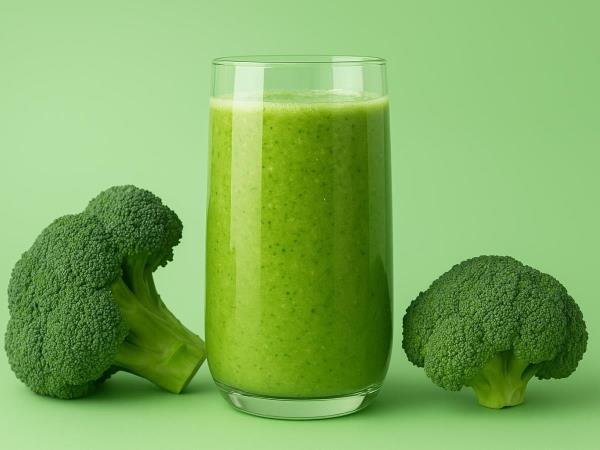
Much like beetroot juice, broccoli juice is a true nutritional powerhouse. Broccoli contains sulphur compounds, calcium, potassium, B vitamins and plenty of vitamin C, all of which contribute to the normal function of the immune system. You can check the full nutrient profile of broccoli in the USDA FoodData Central database. Broccoli is also one of the best-known sources of glucoraphanin, which the body converts into sulforaphane, a compound researchers are studying for its antioxidant properties.
Broccoli also provides some plant protein, although a glass of juice contains only a modest amount, so it works best as a complement to protein-rich meals rather than a replacement for them. Many active people enjoy a cup of green vegetable juice in the evening after an unusually demanding workout, as part of a balanced recovery routine with enough rest, fluids and protein. Because the taste is strong, try mixing broccoli with a green apple or cucumber if you are just getting used to it.
5. Kiwi Juice
[s7]
Kiwi juice is not only delicious, it is also packed with vitamins A, C and E. A single kiwi can cover a large part of your daily vitamin C needs. Researchers in New Zealand who published their work in the British Journal of Nutrition observed that older adults who regularly ate gold kiwifruit reported milder and shorter upper respiratory symptoms than those who ate bananas. Kiwi also provides fibre, potassium and polyphenols, nutrients that are part of a heart-friendly diet. Tip: if you blend whole kiwis instead of juicing them, you keep more of the valuable fibre.
6. Apple Cider Vinegar
[s8]
Dilute a teaspoon of apple cider vinegar in a cup of warm (not hot) water. This traditional folk drink has been used for centuries as a morning tonic, and it contains small amounts of minerals such as potassium and calcium. The acidity also creates a feeling of fullness, which is why many people include it in their weight-management routines. As you read above, Victoria Beckham is one of its most famous fans.
It's fair to be realistic, though: according to current scientific summaries, high-quality evidence for most of apple cider vinegar's popular health claims is still limited, although some studies on blood sugar look promising, as Medical News Today explains. Above all, don't overdo it: apple cider vinegar is very acidic. Always dilute it, drink it through a straw to protect your tooth enamel, and rinse your mouth with water afterwards. If you have a sensitive stomach, take any medication or have a medical condition, check with your doctor first.
Planning to drink it first thing in the morning? First take a look at Why is it dangerous to eat these foods for breakfast.
7. Green Tea
[s2]
Green tea may be the best autumn and winter drink of all. It is rich in antioxidants called catechins, especially EGCG, which researchers have studied extensively in laboratories for their possible effects on viruses and cell health. According to the U.S. National Center for Complementary and Integrative Health (NCCIH), green tea is safe for most adults in moderate amounts, but evidence from human studies on its effects on specific diseases, including cancer, remains inconclusive. Enjoy it as a warming, antioxidant-rich part of a healthy lifestyle rather than as a cure.
But even with green tea, moderation is key: more than about four cups a day is not recommended, mainly because of its caffeine content. The European Food Safety Authority (EFSA) has warned that concentrated green tea extracts in high doses may strain the liver, while the brewed tea itself is generally considered safe. One more nutritionist's tip: tea can reduce the absorption of iron from plant foods, so drink it between meals rather than alongside them.
Readers Share Their Experiences
One of our readers, a teacher who spends every autumn in a classroom full of sniffling pupils, told us that she started bringing a flask of lukewarm lemon water to work and making a fresh carrot and apple juice every Sunday. "I can't say I never catch anything, but I feel more energetic, and the routine reminds me to eat more fruit and vegetables in general," she wrote. Another reader, a keen amateur cyclist, admits that he struggled with the taste of pure beetroot juice for weeks: "Now I actually look forward to it after a long ride, but I still need a splash of apple juice in it."
A Few Smart Rules for Healthy Juicing
- Watch the portion size. Fruit juices contain natural sugars that count as "free sugars" according to the WHO sugar intake guideline. The NHS recommends limiting fruit juice and smoothies to about 150 ml a day.
- Vegetables first. Vegetable juices such as beetroot, carrot and broccoli contain less sugar than most fruit juices.
- Drink it fresh. Vitamin C and some antioxidants break down when exposed to light, air and heat, so prepare your juice just before drinking it.
- Juice is a complement, not a replacement. Sleep, physical activity, hand washing and a varied diet remain the foundations of a strong immune system.
Information on this website is for educational purposes only and is not medical advice.
expert, nutritionist
 Would you like to be informed about news on the website?














|

