






The Real Problem with Pizza Isn't the Toppings {-15454}€” It's the Dough
expert, nutritionist
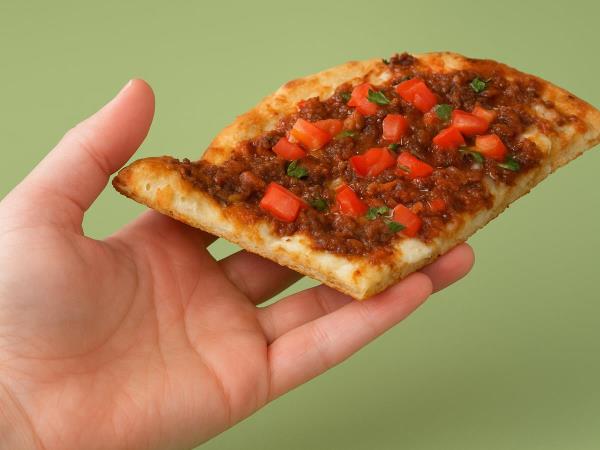
Most of us obsess over what goes on our pizza {-15454}€” the cheese, the meat, the sauce. But if you're trying to make pizza that's genuinely good for you, the toppings are almost beside the point. The real issue is what's underneath them.
Why the Dough Is the Problem
Standard pizza dough is made with refined wheat flour, and when that dough absorbs fats that have been heated to high temperatures, digestion takes a hit. Research published in Frontiers in Nutrition found that baking or frying at higher temperatures resulted in higher concentrations of acrylamide in products including pizza. Pizza, being a flour-based dough product, can be a source of acrylamide {-15454}€” a substance formed during cooking at high temperatures through a reaction between free sugars, like glucose, and specific amino acids, such as asparagine, which are naturally present in flour.
It's worth being clear about the state of the evidence: research in animal subjects has suggested that high doses of acrylamide may lead to reproductive issues, liver damage, and cancer {-15454}€” but those results have not been replicated in humans, and a study of 368,010 women across 10 European countries found no correlation between eating high-acrylamide foods and cancer risk in humans. The concern is real enough that health authorities take it seriously, but it's not cause for panic. What it does mean is that the quality of the fats and the baking conditions matter more than most people assume.
A study published in Food Chemistry found that a direct correlation exists between the oxidation values of cooking oils and acrylamide formation. In other words, the more degraded the fat {-15454}€” through overheating or repeated use {-15454}€” the more problematic compounds can form. Thermal oxidation of cooking oil generates free radicals, and dietary consumption of such oil results in detrimental health effects. No matter how fresh your tomatoes or how quality your mozzarella, a dough soaked in overheated oil undercuts the whole thing.
Foodwhisper has previously looked at what happens inside the body when you eat a lot of pizza in one sitting {-15454}€” including the hormonal and metabolic responses {-15454}€” in When Pizza Becomes an Experiment: What Really Happens in the Body When You Eat Too Much?
The Zucchini Crust: A Flour-Free Fix
The simplest way to sidestep the dough problem entirely is to replace the flour with zucchini. The result is a naturally gluten-free base that bakes up crispier than you might expect {-15454}€” and it comes together with just three ingredients.
What You Need
- 3 medium zucchini, coarsely grated
- 2 eggs
- 1 cup (roughly 100 g) grated cheese {-15454}€” parmesan works especially well
How to Make It
- Grate the zucchini and squeeze out as much liquid as possible {-15454}€” this is the most important step. Zucchini is roughly 95% water by weight, according to USDA FoodData Central, and that 95% water content means a cup of sliced zucchini hydrates almost as effectively as the same weight of cucumber or lettuce. That's wonderful in a salad; in a crust, you need to get rid of it. Use a clean kitchen towel or several layers of paper towels and wring firmly.
- Mix the drained zucchini with the eggs and cheese until evenly combined.
- Press the mixture into a thin, even layer on a baking sheet or pizza stone {-15454}€” aim for a uniform thickness so the edges don't overcook before the center sets.
- Pre-bake at around 300 {-15486}{-15696}C (570 {-15486}{-15696}F) for 8 minutes, until the base is set and starting to colour.
- Add toppings and return to the oven until the cheese on top is melted and bubbling.
The high initial temperature and the absence of flour are what make this crust genuinely crispy rather than soft and egg-y. It won't be identical to a Neapolitan base, but it has its own satisfying bite {-15454}€” and several home cooks who've tried similar versions report being surprised by how well it holds toppings without turning soggy.
Why Zucchini Is Worth Using More Often
Beyond solving the dough problem, zucchini brings something to the crust that flour simply doesn't. Zucchini is a low-calorie, high-water vegetable that delivers a useful mix of vitamin C, potassium, manganese, dietary fiber, and the antioxidants lutein and zeaxanthin, with a caloric content of around 17 kcal per 100 g and a glycemic index that barely registers on a glucose curve. That matters because a standard flour crust contributes a significant carbohydrate load before you've added a single topping.
Zucchini is in season from May through September, which is when it's cheapest, freshest, and most flavourful {-15454}€” a good window to build this into regular rotation. Foodwhisper's piece on When the heat takes away your appetite also illustrates how well zucchini works as a low-effort base for summer cooking more broadly. And if you're interested in adding another layer of texture and nutrition to any pizza-style crust, How to Eat Chia Seeds for Real Benefits (and Why Most People Use Them Wrong) explains how chia seeds can make a crust crispier while adding plant fiber that's typically missing from standard dough.
One Practical Note on Moisture
The single most common reason a zucchini crust turns out soft rather than crisp is insufficient draining. It's really important to squeeze as much of the liquid out of the grated zucchini as possible before mixing with the other ingredients. Salt the grated zucchini, let it sit for 10{-15454}€“15 minutes, then squeeze hard. Some cooks do this twice. It feels like extra work, but it's the difference between a crust and an omelette.
If you want to explore further flour-free directions {-15454}€” including a fully gluten-free pizza base built along similar principles {-15454}€” Foodwhisper's One Bite of Bread Could Be Crossing a Line Your Gut Won't Forgive covers the broader question of what flour-based doughs do in the digestive system and why some people find them difficult regardless of the toppings piled on top.
Information on this website is for educational purposes only and is not medical advice.
expert, nutritionist
 Would you like to be informed about news on the website?






|

