




Small Fruit, Big Impact: Why Mandarins Are Autumn's Mose
expert, nutritionist
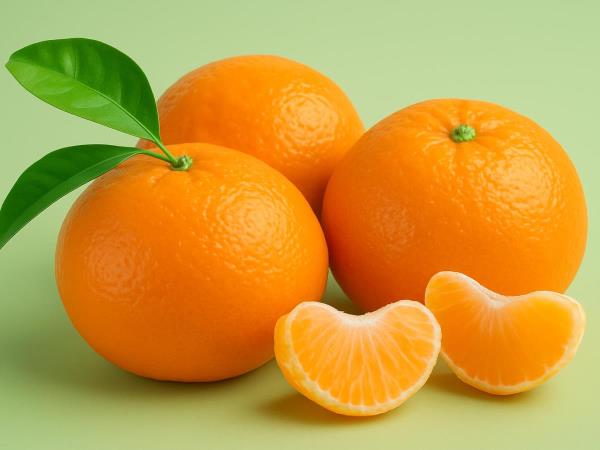
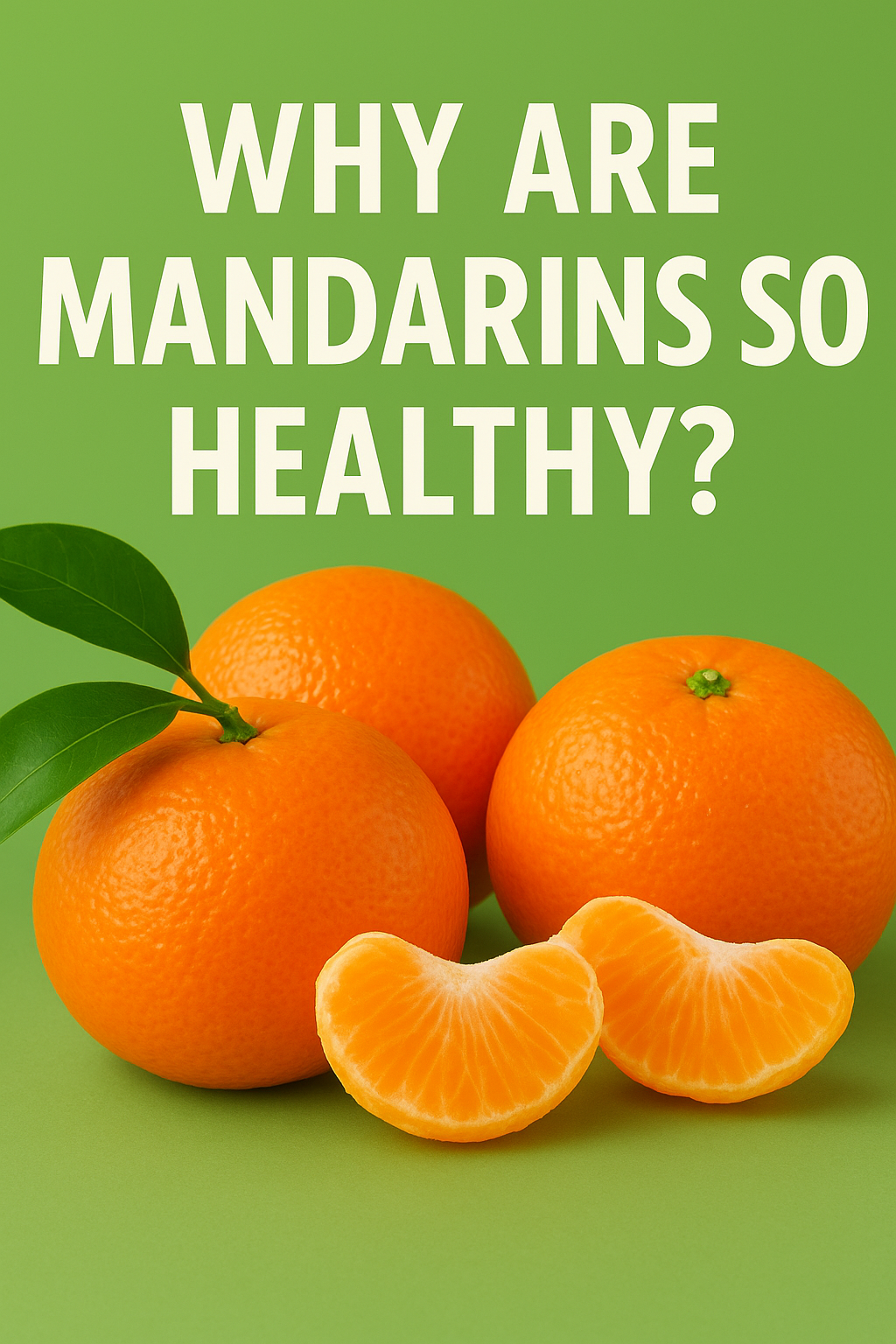
Picture the most convenient health food you can eat without a plate, a knife, or any preparation at all. Mandarins - those easy-peel, pocket-sized citrus fruits that flood market stalls every autumn - turn out to be a genuinely impressive package of nutrients. And the research behind one of their key compounds is far more interesting than their modest size suggests.
A Nutrient Profile That Punches Above Its Weight
Mandarins belong to the broader citrus family alongside oranges, lemons, limes, and grapefruit, but compared to the common orange, mandarin oranges are smaller, sweeter, and easier to peel. Don't let the size fool you. According to USDA FoodData Central data, fresh mandarins contain around 26.7 mg of vitamin C per 100 g - roughly 30% of the daily value. Scale that up to a larger fruit of around 110 g, and a single mandarin already delivers close to a third of your daily vitamin C needs.
Nutritionally, mandarin oranges are rich in vitamin C, dietary fiber, and antioxidants, contributing to immune support, digestive health, and skin vitality. Beyond vitamin C, mandarins contain beta-carotene, beta-cryptoxanthin, hesperidin, and the mandarin-specific flavonoids tangeretin and nobiletin. On the mineral side, mandarin oranges contain potassium, as well as calcium and magnesium.
The Flavonoids That Make Mandarins Stand Out
Vitamin C gets most of the headlines, but the flavonoids in mandarins are arguably just as interesting. The dominant flavonoids in mandarin oranges include tangeritin, hesperidin, and narirutin. According to data from two citrus studies published in the Journal of Food Composition and Analysis in 2006, mandarin oranges beat other common citrus fruits in terms of hesperidin content - even sweet oranges and lemons could not beat the mandarin orange in this respect.
Flavonoids like hesperidin and nobiletin improve blood vessel function and reduce inflammation. Hesperidin also acts synergistically with vitamin C - also abundant in mandarin oranges - to support healthy collagen formation.
The Western University Nobiletin Research
Some of the most striking research on mandarins centres on nobiletin - a polymethoxyflavone found almost exclusively in citrus peel, and in particularly high concentrations in mandarins and tangerines. Research from the University of Western Ontario found that a flavonoid in tangerines called nobiletin offered protection against obesity, type 2 diabetes, and atherosclerosis; the work was published in the journal Diabetes.
It's important to be clear about what this research actually involved. Researchers at the Western University of Ontario reported that mice fed a high-fat and high-cholesterol diet and given nobiletin were noticeably thinner and had reduced levels of insulin resistance and blood fats. The study, published in the Journal of Lipid Research, found the beneficial compound also reduced the amount of plaque in arteries. These are animal studies - no human trials of nobiletin have yet been completed. The researchers themselves stated that the next step is to move these studies into humans to determine if nobiletin has the same positive metabolic effects. The findings are genuinely promising, but the leap from mouse studies to human health claims requires caution. You can read the Western University press release here and the original Diabetes journal study via PubMed.
Vitamin C, Immunity, and What We Actually Know
The high vitamin C content in mandarin oranges plays a pivotal role in strengthening the immune system. Vitamin C supercharges immune cells and combats oxidative stress by scavenging harmful free radicals throughout the body. A 2013 Cochrane review by Hemila and Chalker found that vitamin C may reduce the duration of colds by around 8% in adults. That is a modest but consistently replicated effect in human trials - a good reason to keep mandarins within easy reach during cold and flu season.
The high vitamin C content in mandarin oranges also helps boost collagen production, promoting skin elasticity and repair. And because vitamin C enhances iron absorption from plant-based foods, pairing a mandarin with an iron-rich meal - think spinach, lentils, or fortified cereals - is a simple dietary habit worth adopting.
Heart Health: Encouraging but Still Developing
Citrus flavonoids like hesperidin, found in mandarins, have been studied for their potential role in supporting healthy cholesterol levels and blood vessel function, though this research is still developing. On the broader cardiovascular picture, a study in the American Journal of Clinical Nutrition linked higher citrus consumption with a 19% lower risk of stroke. As always, a single food is not a treatment - but as part of a varied, plant-rich diet, mandarins bring a meaningful contribution.
Mandarin oranges also contain potassium, which helps regulate blood pressure and supports cardiovascular health. This mineral-flavonoid combination is one of the reasons nutritionists increasingly view whole citrus fruit - rather than juice - as the more valuable choice. The fibre matrix of the whole fruit slows sugar absorption and delivers more of the intact phytochemicals.
The Peel: Where the Flavonoids Concentrate
Much of nobiletin and tangeretin is concentrated in the peel rather than the segments. The peel is edible and contains higher concentrations of beneficial flavonoids than the flesh. Citrus peel is also a concentrated source of vitamin C, flavonoids, and pectin fibre, and contains d-limonene, a compound studied for antioxidant and antibacterial properties. If you plan to use the zest in cooking or tea, opt for organic, unwaxed fruit - or scrub conventionally grown mandarins thoroughly. For a broader look at what citrus peel offers, see the Foodwhisper article Fruit Peels You.
A Practical Autumn Habit
Mandarins arrive at exactly the right time of year. As the weather cools and immune resilience tends to dip, their combination of vitamin C, potassium, folate, and distinctive flavonoids makes them one of the easiest nutritional upgrades you can make. Eating one or two mandarin oranges a day fits well within general fruit recommendations.
Pairing a mandarin with a banana at breakfast is a simple, low-effort morning ritual. Bananas contribute potassium, B vitamins, and easily digestible carbohydrates for sustained energy - a combination that covers several nutritional bases before the day has properly begun. For more on fruit-forward morning meals, the Foodwhisper articles 4 Ingredients, One Glass: The Pear, Banana, Raspberry & Kefir Morning Smoothie That Could Help You Start the Day Right and Three Ingredients, One Smoothie: Why Passion Fruit, Banana, and Turmeric Are Such a Powerhouse Combination are worth a look. If you are curious about other small citrus fruits with outsized nutritional profiles, Foodwhisper's piece on the kumquat - This Tiny Orange-Like Fruit Packs 10x More Vitamin C Than an Orange - and You Can Grow It on Your Balcony - is a natural companion read.
The mandarin is not a miracle fruit, and no single food prevents or cures disease on its own. But as autumn snacks go, it is hard to find one that is more convenient, more enjoyable, and more solidly backed by nutritional science than the small, bright, peel-and-eat mandarin sitting in your fruit bowl.
Information on this website is for educational purposes only and is not medical advice.
expert, nutritionist
 Would you like to be informed about news on the website?













|

