


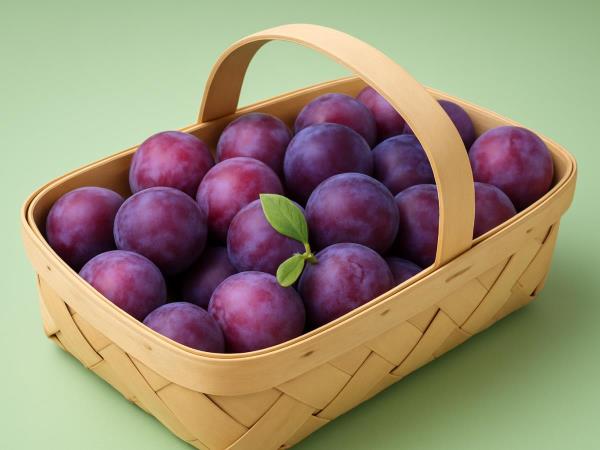

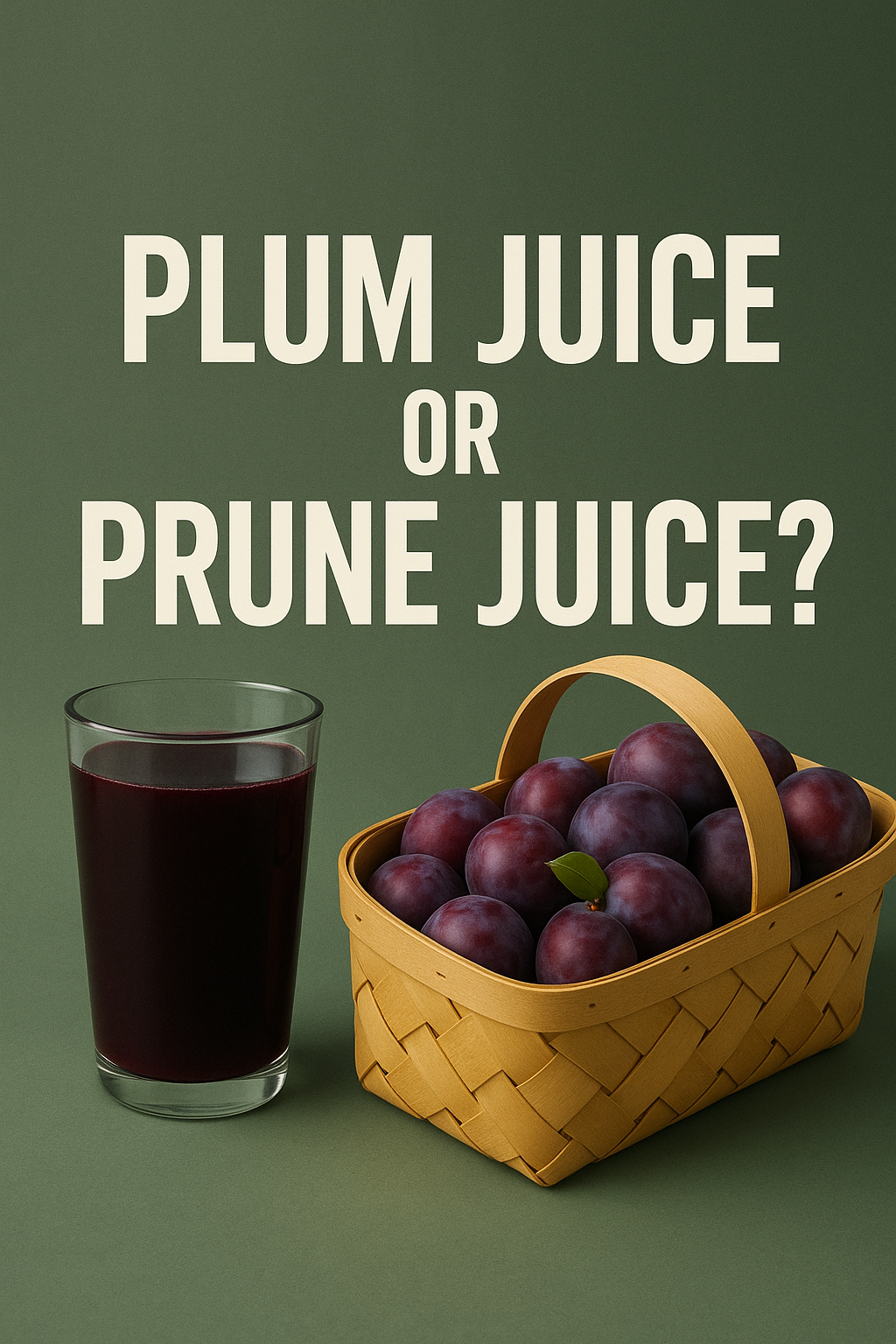


Why Is Plum Juice the Secret Weapon of Your Autumn Menu?
expert, nutritionist
One small, dark glass a day. That is all it took for a growing number of people to rediscover a drink that most of us still associate with our grandparents' kitchen cupboards. Long dismissed as an old-fashioned remedy, juice made from plums and prunes is now being studied by university researchers for its potential role in digestion, bone health and even blood vessel function. And the best part? Autumn is exactly the season when this purple treasure is at its freshest, cheapest and most flavorful.
A health writer for Glamour decided to put the drink to a very personal test and drank prune juice every morning for two weeks. Her inspiration came from pop culture: Louis Litt, the eccentric lawyer played by Rick Hoffman in the TV series Suits, is famous for his beloved morning "prunie." Following the advice of a gastroenterologist, she started with about half a glass (4 ounces) each morning. By the end of the experiment, she described her digestion as noticeably more regular and said she had actually started to look forward to her morning glass. Her story is a nice reminder that sometimes the simplest habits are the ones that stick.
A Forgotten Fruit Hiding in Plain Sight
We know dried plums, jams, juices, and – the sweetest of all – plum dumplings... Plums are so versatile that it is almost strange we do not see them on our menus more often. Interest in this autumn treasure has been steadily growing as nutrition researchers take a closer look at how plums, with their fiber, natural sugar alcohols and polyphenols, may influence the way the body handles carbohydrates and supports digestion.
Eating with the seasons also makes sense from a nutritional point of view: produce eaten close to harvest tends to keep more of its delicate vitamins, as we explained in our article What If the Tastiest Tomato You'll Eat All Year Is Also the Cheapest? Plums are a perfect autumn example, and they pair beautifully with the foods described in 5 Healthiest Autumn Foods to Improve Memory and 10 Autumn Foods That Help You Lose Weight.
This time, we present the reasons why it is worth drinking plum juice.
Plum Juice or Prune Juice – What Is the Difference?
Before we pour a glass, a quick clarification. Plum juice is pressed or blended from fresh plums; it is lighter, tangier and lower in calories. Prune juice is made from dried plums (usually the European plum, Prunus domestica) that are rehydrated and extracted in hot water, which makes it thicker, sweeter and more concentrated. According to Wikipedia's overview of prune juice, it contains roughly 71 kcal per 100 g, while fresh plums provide only around 46 kcal per 100 g, as listed in the Listonic nutrition database. Both drinks share many of the same nutrients, but most of the scientific research has been done on prunes and prune juice.
What Makes Plum Juice So Valuable?
Plum juice contains vitamins, minerals and natural plant compounds, and many people find that it supports comfortable digestion, may ease occasional heaviness after meals and simply helps them feel good. Prunes and their juice are naturally rich in sorbitol, a sugar alcohol that draws water into the intestine, and in phenolic compounds such as chlorogenic and neochlorogenic acid, which act as antioxidants. Plum juice can be a pleasant part of the diet for many people, including those going through busy, stressful periods – although pregnant women and parents of young children should always check with their doctor or pediatrician before using it for digestive purposes.
Plums contain vitamin A in the form of carotenoids (just like pumpkins and carrots), which plays an important role in normal cell renewal; dried plums are a particularly good source. Vitamin C is not lacking either, but perhaps the most interesting is vitamin K. Contrary to a popular myth, vitamin K does not "prevent" blood clots – it does the opposite: it helps the blood clot normally when we are injured, and it also supports bone metabolism, as explained by the U.S. National Institutes of Health, Office of Dietary Supplements.
Good to know: people who take the blood thinner warfarin are usually advised to keep their vitamin K intake roughly the same from day to day, as HealthLink BC points out. If you take such medication, talk to your doctor before making prunes or prune juice a daily habit.
Minerals That Work as a Team
Among the minerals, plums offer calcium, iron, potassium and magnesium – most of them in modest amounts, but they all contribute to a varied diet. Calcium plays an important role in muscle contraction, and magnesium helps muscles relax. Iron is important for healthy blood and a normal immune system, potassium regulates the balance between fluids and electrolytes, and calcium is a building block of strong bones. The National Institute of Arthritis and Musculoskeletal and Skin Diseases notes that when we do not get enough calcium from food, the body draws it from our bones, which over time can weaken them. The Cleveland Clinic adds that magnesium and vitamin K also support the cells that build and renew bone tissue.
Finally, we must not forget folate (the natural form of folic acid), which supports the normal function of the brain, spinal cord and nervous system. Want to get more out of these nutrients? Our guide Foods That Improve Nutrient Absorption explains which foods work better together than on their own.
What Does the Research Say?
1. Gentle support for digestion
This is the best-documented benefit. Back in 1990, the U.S. Food and Drug Administration described the common prune as an effective laxative, as recorded in Wikipedia's prune juice entry. A Finnish study published in the journal Nutrition Research (Piirainen et al., 2007) found that prune juice had a mild laxative effect in adults with certain digestive complaints. A broader review in Food & Function (Royal Society of Chemistry, 2021) reported that prunes increased stool weight in human studies and were linked to higher levels of beneficial bifidobacteria in the gut. If you often struggle with a heavy, tight stomach, you may also find practical tips in our article Get Rid of Bloating and Excess Water.
2. A possible ally for bones after menopause
Researchers at Penn State University carried out one of the largest studies on this topic – the so-called Prune Study, published in the American Journal of Clinical Nutrition (2022). A total of 235 postmenopausal women were randomly assigned to eat no prunes, 50 g of prunes (about five to six) or 100 g of prunes daily for a year. Women in the 50 g group maintained their hip bone mineral density, while the control group showed a decline. Interestingly, many participants in the 100 g group dropped out – a sign that more is not always better. The American Physiological Society also reported findings suggesting that daily prunes may be linked to lower levels of certain inflammatory markers. For transparency: the research was partly supported by the California Prune Board, and it focused on whole prunes rather than juice. Still, the results show why this humble fruit deserves a place in a bone-friendly diet.
3. Interesting early findings for blood vessels
In Australia, scientists have studied juice made from the Queen Garnet plum, a variety bred to be especially rich in purple anthocyanins. A small pilot study of 24 adults, published in Nutrition Research (2017), observed lower blood pressure readings in the hours after participants drank the juice. Another study of 32 overweight adults, published in the Journal of Functional Foods (2019), reported favorable changes in blood pressure and several metabolic markers after 12 weeks. These were small studies with a special plum variety, so they should be seen as promising rather than conclusive – and plum juice is never a replacement for prescribed treatment.
How to Make Plum Juice at Home
Fresh plum juice: wash 4–5 ripe plums well, remove the pits, cut them into quarters and blend with about two cups of water and a squeeze of lemon or lime juice. Strain if you prefer a smoother texture and drink it right away, while it is at its freshest.
Homemade prune juice: soak a handful of prunes in warm water for 20–30 minutes, then blend them together with the soaking liquid and an extra cup of water. Strain and chill. You can also add a splash to smoothies, oatmeal or a morning glass of kefir. If you love homemade drinks, try our popular recipe They say this is the healthiest juice in the world...
How Much Is Enough?
Moderation is key. Prune juice is naturally high in fruit sugars, and WebMD suggests keeping portions to about one cup a day, since too much sugar can cancel out the benefits. Many people do best starting with a small glass (around 120 ml) in the morning and adjusting from there. Remember that whole plums and prunes keep much more of their fiber than juice does, so the fruit itself remains an excellent choice. Fruit juices are just one part of a healthy routine – find out why in Foods We Use Incorrectly.
Every Coin Has Its Darker Side
Unfortunately, every coin has its darker side. Too many plums can make digestion harder: they may cause abdominal cramps, and plums are also known for causing gas. The reason is the same sorbitol that makes them so helpful – in larger amounts, it ferments in the gut. People with a sensitive stomach or irritable bowel syndrome often tolerate plums and prunes poorly, so it is wise to start with small amounts and listen to your body. Keep in mind, too, that a glass of juice contains the sugar of several fruits, which matters for anyone watching their blood sugar or weight. If you are pregnant, taking medication, managing a health condition, or considering prune juice for a child, talk to your doctor or pharmacist first.
The Bottom Line
Plum juice will not work miracles, but as part of a varied, colorful diet it can be a delicious seasonal habit with real nutritional value. Pour a small glass, enjoy it slowly, and let the flavors of autumn do their quiet work. And since a calm mind and a happy gut often go hand in hand, it is also worth reading 7 Everyday Foods That Quietly Feed Your Stress (Number 5 Might Surprise You) and Food That Makes You Age Faster.
Information on this website is for educational purposes only and is not medical advice.
expert, nutritionist
 Would you like to be informed about news on the website?









|

