





The Frozen Lemon Trick That Puts the Most Nutritious Part of the Fruit Back on Your Plate
expert, nutritionist
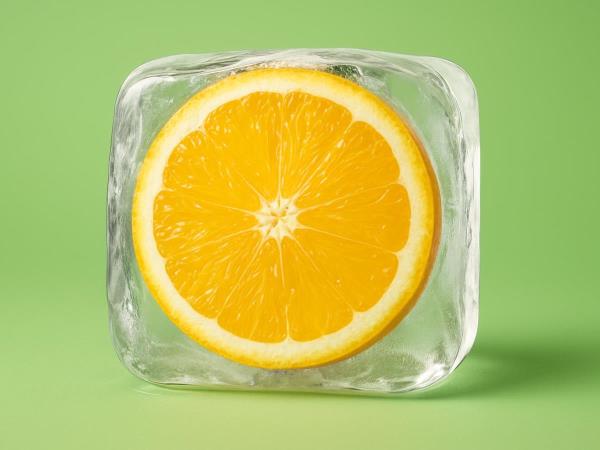
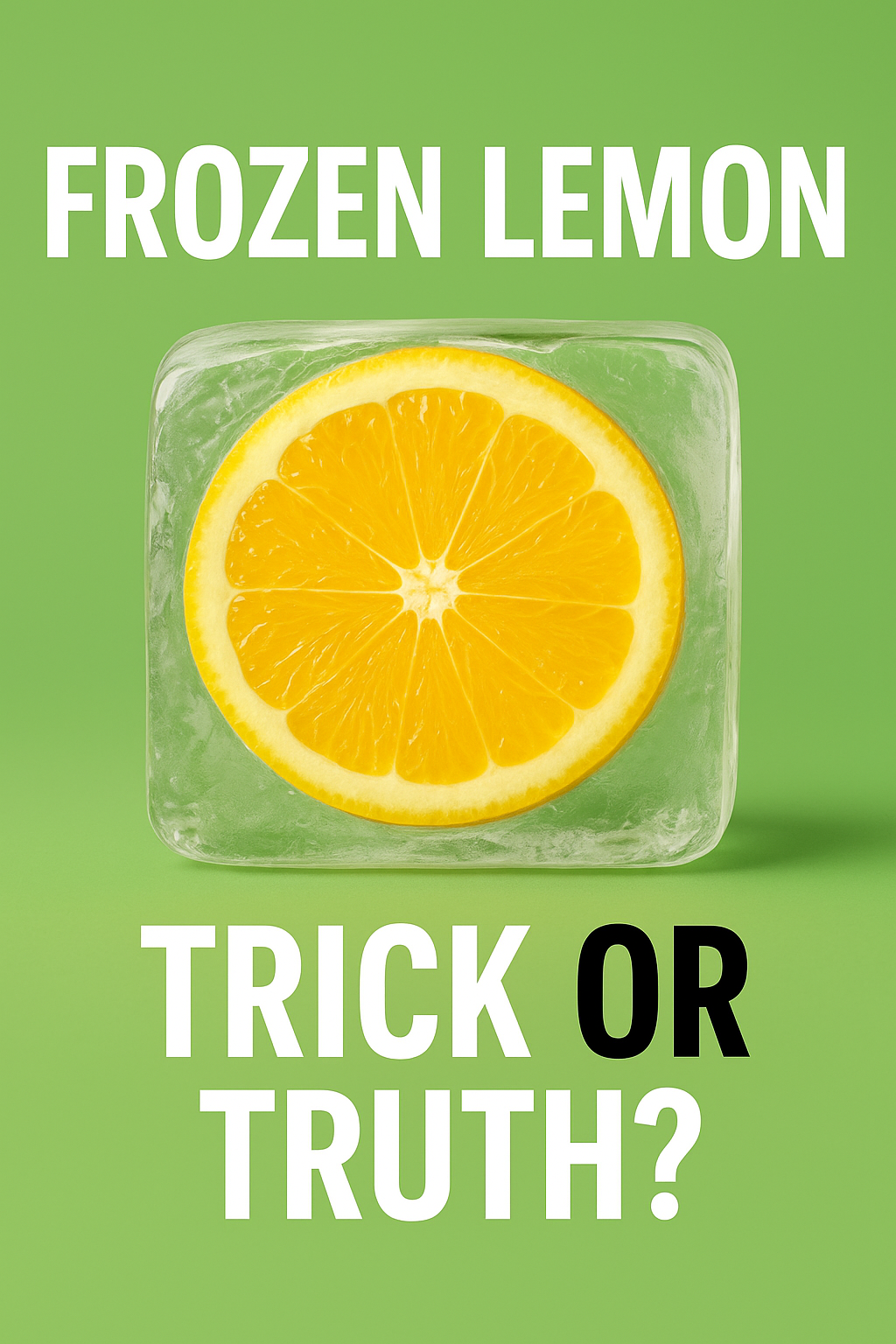
Most of us squeeze a lemon, toss the peel, and move on. That means throwing away the part of the fruit that researchers now recognize as the most bioactive. Fruit Peels You put it plainly: anyone who has zested a lemon into a dish knows the peel carries far more aromatic punch than the juice alone - and that's not just flavour. Citrus peel is a concentrated source of vitamin C, flavonoids, and pectin fibre, and contains d-limonene, a compound studied for antioxidant and antibacterial properties. Freezing a whole lemon and grating it straight from the freezer is the most frictionless way to change that habit.
One home cook and mother of two stumbled onto this by accident. Lemons kept going mouldy in her fridge before she could use them, so she started freezing them whole. The problem disappeared - and she noticed that teas and dressings finished with a pinch of frozen-then-grated zest tasted noticeably more vivid. Curious about why, she started reading the research. What she found was more interesting than she expected.
Why the peel is the nutritional heavyweight
Lemon is widely consumed worldwide as a fresh fruit and juice, but the lemon peel is mostly discarded as waste, and only a handful of studies have so far focused on its phenolic content and antioxidant activity. That is starting to change. A study published in the Saudi Journal of Biological Sciences (Haida et al., 2022) set out to evaluate the significant extraction factors for achieving higher yields of total polyphenols, phenolic acids, and flavonoids from Citrus limon peel - confirming the peel as a rich matrix of these compounds. The PubMed record is available at PMID 35002453, and the full text at PMC8716932.
Citrus peel forms around 40 - 50 % of the total fruit mass and is a substantial source of biologically active substances, especially flavonoids. Flavonoids in citrus peel are recognised as a good source of dietary antioxidants, protecting cells through hydrogen transfer, free-radical scavenging, and divalent metal-ion chelation. In lemon specifically, the most abundant flavonoids include eriocitrin - the compound that dominates lemon peel - alongside hesperidin.
What you actually get when you eat the peel
When you grate a frozen lemon over your food, you bring in a range of nutrients that squeezed juice alone rarely delivers:
- Vitamin C. Lemons are an excellent source of vitamin C, which strengthens the immune system, helps with iron absorption, and acts as an antioxidant. The citric acid in lemons also aids digestion and may reduce the risk of kidney stones. As Grapefruit, Lemon and Parsley Team Up: The Morning-After Drink Your Body Will Thank You For notes, lemon's vitamin C is one of the most extensively studied nutrients for supporting normal immune function, according to the NIH's Office of Dietary Supplements.
- Polyphenols and flavonoids (hesperidin, eriocitrin, diosmin). These plant compounds deliver the peel's antioxidant punch. Citrus peel polyphenols exert strong antioxidant and free-radical scavenging effects.
- Pectin. A soluble fibre. There is accumulating evidence that dietary flavonoids influence the microbial population of the human colon, and pectin contributes to the fibre load that feeds that microbiome.
- D-limonene. Citrus peel contains d-limonene, a compound studied for antioxidant and antibacterial properties.
- Potassium, magnesium, and calcium - minerals that support muscle function, nerve signalling, and bone health.
What the lab research on lemon peel and cancer cells actually says
A line of laboratory research is attracting growing attention - but it is essential to read it carefully. Among plant polyphenols, lemon peel extract (LPE) from the residues of the industrial processing of lemon (Citrus limon) shows anti-proliferative properties in cancer cells. One study in Biomolecules (PMC6995574) found that LPE reduces the invasiveness of gastric MKN-28 and AGS cancer cells through the reduction of IL-6-induced MMP-9/2 up-regulation, suggesting LPE exerts a protective role against the metastatic process in gastric cancer. A more recent 2026 paper in IJMS extended this work: previous studies showed that Citrus limon peel extracts inhibited the activity of some enzymes of the antioxidant system and reduced the interleukin-6-dependent invasiveness of gastric and colon cancer cells, and LPE significantly reduced the cell viability and clonogenic potential of gastric cancer cells. Both studies are available via PubMed: PMID 31817563 and PMID 41596250.
These are purely preclinical findings. All experiments were conducted in cell cultures, not in humans. They tell us that lemon peel extract can affect isolated cancer cells in a dish under controlled laboratory conditions; they do not tell us that eating grated lemon zest will prevent or treat cancer in a living person. Large, well-designed human clinical trials would be required before any such claim could be made - and none yet exist.
The alkaline-diet claim: what the evidence actually says
A popular idea holds that lemon "alkalises" the body and thereby creates an environment hostile to tumours. This is a persistent myth. The American Institute for Cancer Research (AICR) is direct on this point: in a healthy person, blood pH is tightly regulated by the kidneys and lungs and cannot meaningfully be shifted by food. The genuine value of lemon and other fruit lies elsewhere - in their actual nutrient density: vitamin C, flavonoids, and other antioxidants that are a well-established component of a healthy dietary pattern. As Horseradish, Lemon, and Honey: The Grandmother's Trio That Refuses to Go Out of Style puts it, vitamin C supports normal immune function, while B-vitamins contribute to normal energy metabolism - both are widely recognised, well-established nutritional roles.
How to freeze lemons properly
The technique is simple but a few details matter if you want to get the most out of it.
Wash thoroughly. Scrub the lemons well under warm running water. Skip the dish soap - as the US National Pesticide Information Center (NPIC) points out, soapy residues can become trapped in peel pores and may be more problematic than surface residues from the fruit itself. And don't assume an organic label means no surface treatment was applied during transport or storage - it describes how the fruit was grown, not necessarily how it was handled afterwards. Soaking lemons in a bowl of water with a splash of vinegar for about ten minutes helps lift residue and pesticides from the peel, since you'll be using the whole fruit.
Dry completely. Place the lemons on a clean cotton cloth for a few hours until they are bone dry. Any surface moisture will form an ice crust during freezing, which can slightly dull the flavour.
Freeze whole or sliced. Whole frozen lemons are easiest to grate directly from the freezer using a fine grater or microplane. Alternatively, slice them into rounds, freeze flat on a tray, then transfer to a freezer bag - useful when you want a measured portion for water or cocktails.
Frozen lemons keep well for several months without significant loss of flavour or nutritional value, which makes this trick especially practical for households that use lemons infrequently but hate watching them go mouldy. Scientists now even talk about "valorising" fruit peel waste - turning it into flour, extracts, and functional food ingredients instead of sending it to landfill - and grating a frozen lemon over your breakfast yogurt is the home-kitchen version of exactly that idea.
Everyday ways to use frozen lemon
Once you have a stash of frozen lemons, the applications are almost endless - and far more varied than a standard squeeze of juice:
- Grate zest directly over hot tea, herbal infusions, or warm water first thing in the morning.
- Add to salad dressings, marinades, or pasta sauces for a more rounded citrus flavour than juice alone gives.
- Stir into plain yogurt or overnight oats with a little honey.
- Use in baking - cakes, biscuits, and muffins that call for zest benefit from the more intensely aromatic frozen version.
- Drop a frozen slice directly into a glass of water as a flavour infusion. As 4 Ingredients, One Evening Glass: A Ginger, Cucumber, Parsley & Lemon Drink That Supports a Healthy Metabolism illustrates, lemon rounds out a glass with bright acidity and vitamin C content - and while "detox" gets used loosely online, lemon's real contribution is flavour balance and a dose of vitamin C, making an otherwise vegetal-tasting drink genuinely pleasant to sip.
Lemon-flavoured water is also a straightforward way to displace sweetened drinks - a low-calorie swap that adds flavour without added sugar. Striking royal lemonade that scares away doctors takes a similar logic further with a classic spiced lemonade recipe that has fans ranging from home cooks to celebrities.
A few sensible caveats
- Use frozen lemon zest in moderation as a complement to a varied diet, not as a substitute for medical treatment.
- People with acid reflux or a sensitive stomach should start with small amounts and adjust to their own tolerance.
- Rinse your mouth or use a straw after drinking lemon-infused water - the acidity can erode tooth enamel with long-term, frequent exposure.
- If you take certain medications (some statins, for example), check with your pharmacist about grapefruit interactions; lemon at culinary doses is generally considered safe, but it is always worth asking if you have concerns.
The bottom line
Freezing lemons whole is one of those kitchen habits that is genuinely worth adopting: it wastes less food, extends shelf life by months, and - crucially - makes the peel easy to use every day. Lemon is widely consumed worldwide as a fresh fruit and juice, but the peel is mostly discarded as waste, even though lemon peel represents a valuable source of bioactive compounds including vitamin C, flavonoids, pectin, and d-limonene. None of that is magic - but all of it is real nutrition that most people are currently throwing in the bin.
Information on this website is for educational purposes only and is not medical advice.
expert, nutritionist
 Would you like to be informed about news on the website?










|

