


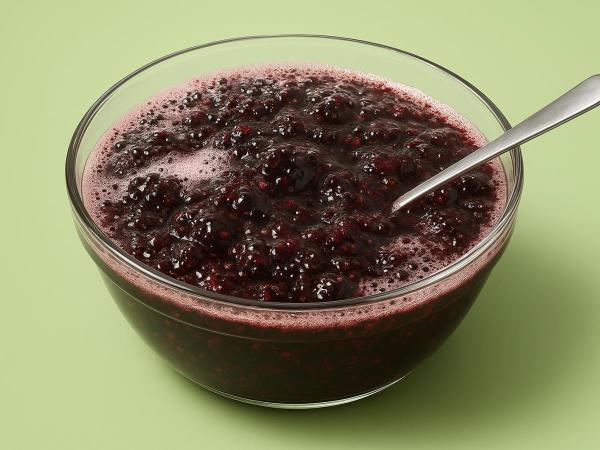


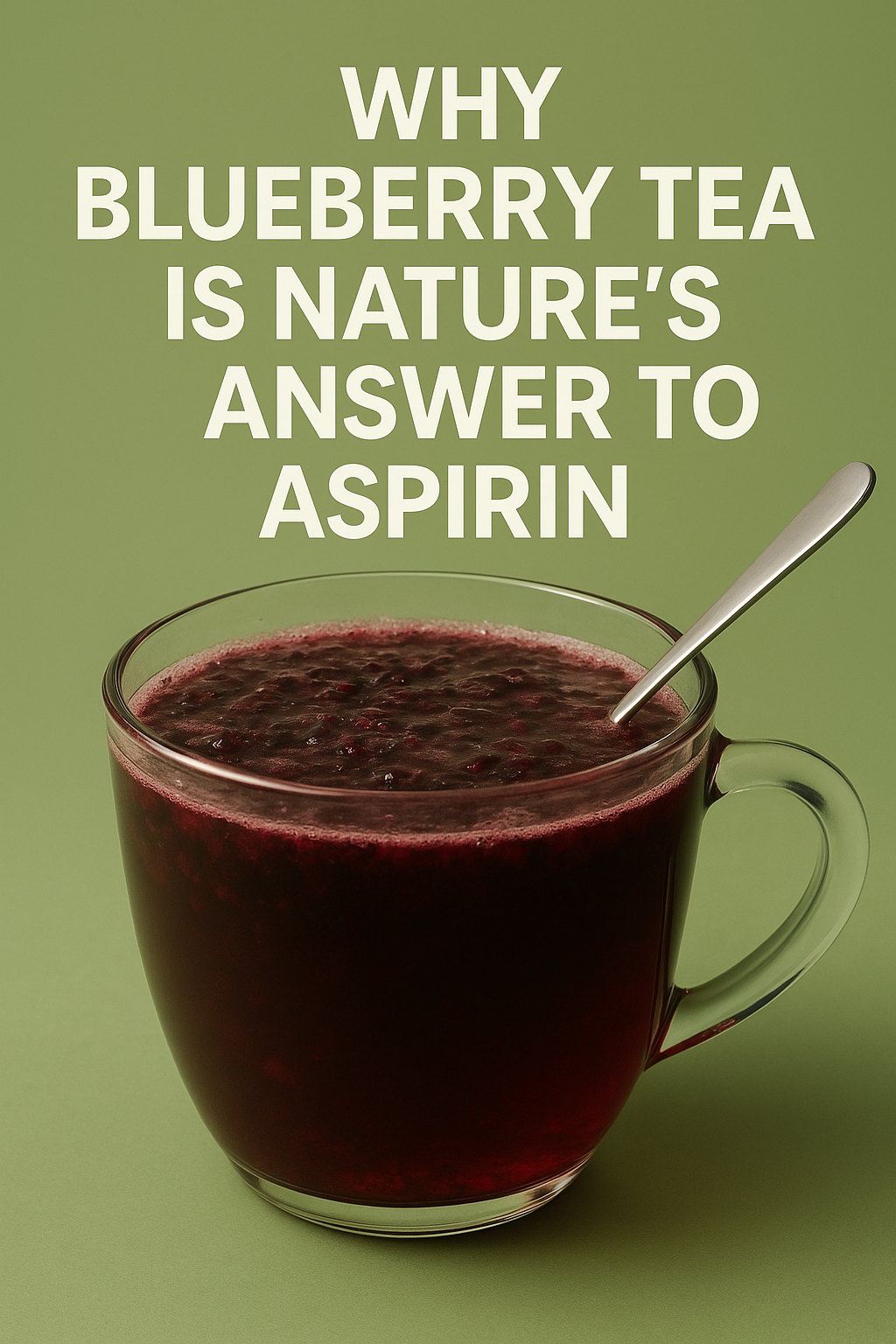


Your Winter Medicine Cabinet in a Mug: Why Blueberry Tea Is Nature's Answer to Aspirin
expert, nutritionist
Forget the foil blister pack. Blueberry tea may be one of the most underrated drinks you can reach for this winter - and the science behind it goes deeper than the usual "superberry" hype. Epidemiological studies associate regular, moderate intake of blueberries and anthocyanins with a reduced risk of cardiovascular disease, type 2 diabetes, and improved weight maintenance, with these findings supported by biomarker-based evidence from human clinical studies. That is a genuinely impressive track record for something that costs less than a packet of paracetamol.
Why blueberries are compared to Aspirin
The comparison is not marketing fluff. Blueberry fruits have a wide range of health benefits because of their abundant anthocyanins, which are natural antioxidants. Blueberry anthocyanins also possess anti-inflammatory and antioxidative properties that decrease oxidative stress, a leading driver of atherosclerosis and other cardiovascular conditions. Aspirin works partly by blocking inflammatory enzymes called COX-2 - and so, in laboratory studies on animal tissue, do blueberry anthocyanins. It is important to note that this parallel has been demonstrated mainly in cell and animal models; large-scale human trials comparing blueberry preparations directly with Aspirin do not yet exist.
In human intervention studies, blueberry anthocyanins have been shown to decrease inflammatory markers, and human studies also show improved endothelial function following anthocyanin supplementation. A double-blind trial in adults with metabolic syndrome found that blueberry smoothies twice daily for six weeks improved endothelial function - a marker of blood-vessel health.
Blueberries are also a source of quercetin, a flavonoid with well-documented anti-allergy and anti-inflammatory properties. Quercetin is known for its antioxidant activity in radical scavenging and anti-allergic properties, characterised by stimulation of the immune system, antiviral activity, inhibition of histamine release, and a decrease in pro-inflammatory cytokines. Studies show quercetin may help reduce inflammation, though more human research is still needed to fully understand its anti-inflammatory potential. You can read more about quercetin's role in everyday foods in the Foodwhisper article Simple Pear Smoothie Stronger Than Many Medicines.
The blue pigment and your blood vessels
The deep blue-purple colour of blueberries comes from anthocyanins - and those same pigments have a direct relationship with vascular health. Laboratory research on human retinal capillary endothelial cells found that blueberry anthocyanin extract protected the cells via antioxidant and anti-inflammatory mechanisms, suggesting these compounds may be promising candidates for nutraceuticals aimed at preventing capillary damage. While this was a cell-culture study rather than a clinical trial, it supports the broader picture seen in human cardiovascular research.
An eight-week trial in postmenopausal women with early-stage hypertension found that a daily cup of blueberries improved arterial stiffness and some cholesterol markers. Intake of purified anthocyanin for 12 weeks by 150 people with high cholesterol was associated with an increase in HDL cholesterol, a decrease in LDL cholesterol, and improved endothelial function.
Vitamins, digestion, and the belly-fat connection
Blueberries are rich in polyphenols - plant compounds with antioxidant properties that help protect cells from everyday oxidative damage - and are also a source of vitamins A, B, and C, along with calcium, iron, and phosphorus.
Blueberries also contain catechins, the same class of compounds found in green tea. Human trials on catechin-enriched beverages suggest a real, if modest, effect on abdominal fat. In a double-blind, placebo-controlled randomised trial, the decrease in visceral fat area at 12 weeks was significantly greater in the catechin group than in the control group, with the conclusion that catechin-enriched beverage consumption for 12 weeks induced visceral fat loss in adults with a high proportion of abdominal visceral fat. Separately, a randomised human study found that two weeks of wild blueberry supplementation increased fat oxidation during exercise by 19 - 31% while lowering carbohydrate utilisation. These are real results from real people - but they involved specific doses over defined periods, alongside a broader healthy diet and regular movement. No cup of tea will override a poor diet on its own.
Blueberries have some of the strongest evidence of any fruit for cognitive benefits: anthocyanins can cross the blood-brain barrier and accumulate in memory-related brain regions, and multiple human trials show improved memory in older adults.
How to make and drink blueberry tea
The simplest version is an infusion of dried blueberries or blueberry leaves steeped in just-boiled water for five minutes, then strained and left to cool. Do not drink it piping hot. Let it cool to at least 40 degrees C (104 degrees F) - or lower - before sipping. Drink it slowly, in small mouthfuls; there is no benefit to gulping it down.
For a more elaborate version, the University of Nebraska - Lincoln Extension suggests combining fresh or frozen blueberries with dried hibiscus flowers, steeped for five minutes, strained, and served hot or cold with an optional touch of honey or maple syrup.
The darker side: what to watch out for
Blueberry tea is not a free pass. Three cups a day is a sensible target; six is an absolute ceiling. More than that and the same properties that make it useful start working against you.
The most important caution is blood sugar. Blueberry preparations may lower blood sugar levels, particularly in people with diabetes, so it is worth watching for signs of hypoglycaemia and monitoring your blood sugar carefully if you use blueberry products. Blueberry leaves may decrease blood sugar, and taking them alongside diabetes medications could cause blood sugar to drop too low. Even in people without diabetes, drinking large quantities on an empty stomach could produce a noticeable dip in blood glucose - which might show up as a headache, dizziness, nausea, or general shakiness. Introduce blueberry tea into your routine slowly to gauge your body's response, since these hypoglycaemic remedies may cause hypoglycaemia, which can be dangerous.
Blueberry tea also noticeably suppresses appetite. That might sound like a bonus, but it is a risk if it leads you to skip meals. Your body still needs a full range of energy and nutrients - tea alone cannot provide them. Never attempt to lose weight on blueberry tea alone.
Finally, blueberry preparations may affect blood glucose levels and could interfere with blood sugar control around surgery, so stop using them at least two weeks before a scheduled procedure.
Make it a winter habit
A mug of blueberry tea - cooled to a comfortable temperature, sipped slowly, taken two or three times a day - is a low-cost, low-effort way to bring some of the most studied polyphenols in nutritional science into your daily routine. Pair it with a balanced diet, keep moving, and treat it as a complement to medical care rather than a replacement. The little blue berry earns its reputation - but only when you respect its limits.
For more on how blueberries fit into an antioxidant-rich diet, see Blueberries: The Humble Forest Berry Science Keeps Circling Back To and The 2-Minute Breakfast Swap Nutritionists Keep Coming Back To: Chia, Coconut & Blueberry Blend.
Information on this website is for educational purposes only and is not medical advice.
expert, nutritionist
 Would you like to be informed about news on the website?








|

