


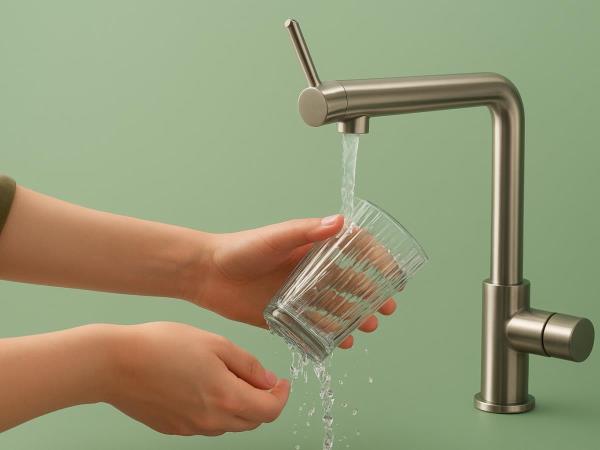


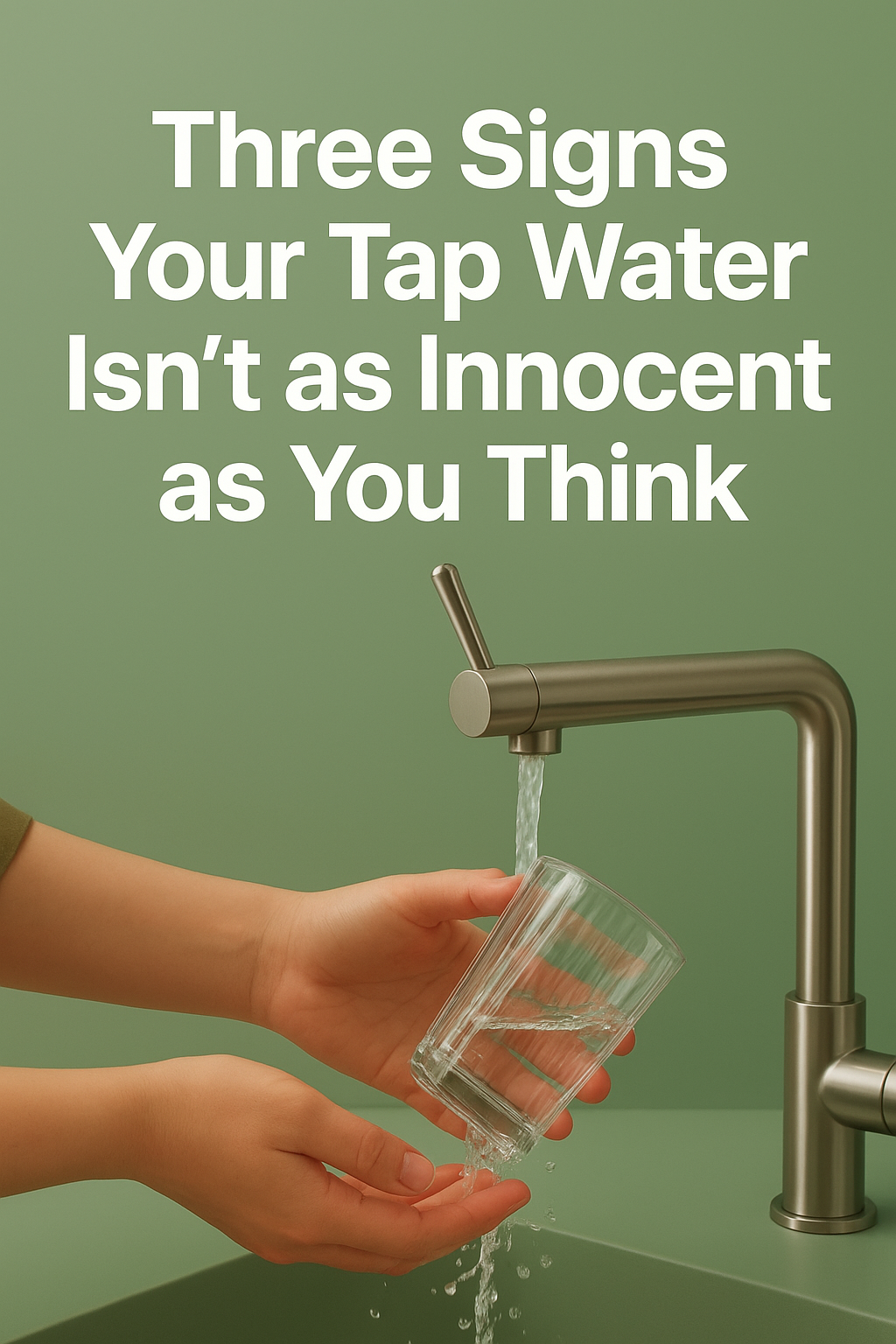


Three Signs Your Tap Water Isn't as Innocent as You Think
expert, nutritionist
You fill a glass from the kitchen tap dozens of times a week without a second thought. Yet that glass of water can tell you a surprising amount about the pipes behind your walls, the source your town draws from and the way your water has been treated. You don't need a laboratory to notice the first clues. Your nose, your eyes and your dishwasher are often the first to pick them up.
Few people have thought harder about what comes out of the tap than Erin Brockovich, the environmental advocate whose case over contaminated groundwater in Hinkley, California, became the subject of the Oscar-winning film that bears her name. Even decades later, she has openly admitted in an interview with Business Insider that she is "funny about water" and rarely drinks straight from a tap. Her advice to ordinary households is surprisingly simple, though: rather than panicking, find out what is in your water by reading the regular quality reports your local water utility publishes, and ask questions if something seems off.
That is exactly the spirit of this article. Poor-quality water can be linked to a range of illnesses, and the trouble is that we often don't connect the dots. We tend to notice a problem only when an upset stomach appears, and by then it is hard to say where it came from.
Why water quality still matters
According to the World Health Organization (WHO), contaminated drinking water around the world can transmit diseases such as diarrhoea, cholera, dysentery, typhoid and polio, and is estimated to cause roughly half a million diarrhoeal deaths every year. Hepatitis A is also on the WHO's list of illnesses connected with contaminated water and poor sanitation.
The good news is that most of this burden falls on regions without safe, treated water supplies. In much of Europe and North America, public tap water is strictly regulated. In the EU, for example, the Drinking Water Directive requires water to be free of harmful micro-organisms and parasites and obliges member states to monitor quality and report on it regularly. Still, problems can arise locally: in old buildings, in private wells, after pipe repairs or after heavy rainfall. Because such effects rarely appear overnight, it pays to know the everyday signs that can tell you when to look closer.
So keep an eye out for these three signs:
1. The smell
Fresh drinking water should have little or no smell. If your water smells unpleasant, take note. The most common culprit is a "rotten egg" odor, which usually comes from hydrogen sulfide, a naturally occurring gas. The Minnesota Department of Health explains that, in most cases, this smell does not relate to the sanitary quality of the water, but in rare instances it can come from sewage or other pollution, which is why testing for coliform bacteria and nitrate is recommended, especially for well owners.
In moderate amounts, hydrogen sulfide is generally considered a nuisance rather than a health threat, but it can make water corrosive and tarnish copper and silverware. A simple trick helps you narrow down the source: after you have been away for a few hours, smell the water from both the hot and cold taps. If only the hot water smells, the cause is often the water heater rather than the water supply itself. The U.S. Geological Survey also points out that odors can have other causes, so if the smell is strong or new, it's sensible to contact your local health department or water utility.
Other smells worth noting include a musty or earthy note (often from algae in the source water, usually harmless but unpleasant), a metallic smell, or anything resembling fuel or solvents. That last one is rare, but it's a clear reason to stop drinking the water and report it right away.
Visible discoloration matters too. Reddish-brown water or rust-colored traces usually point to iron or corroding pipes. In older homes this can sometimes go hand in hand with metals such as lead leaching from plumbing, which is why the U.S. Environmental Protection Agency (EPA) treats color, odor and taste as important signals even when they are mainly "aesthetic" problems.
2. Spots and residue after washing
Sometimes you'll notice white spots on your glasses, or even hard, sand-like particles on dishes after a dishwasher cycle. In most cases this is limescale, made mostly of calcium and magnesium, the minerals that make water "hard." It is very common in tap water, especially where water comes from limestone-rich groundwater.
For a long time, people worried that these minerals could build up in the body and harm the kidneys, joints or blood vessels. Current evidence is more reassuring. The WHO does not set a health-based limit for water hardness, because it is not considered a health concern at the levels found in drinking water; the issue is mainly scale, taste and soap that won't lather. A systematic review published in Current Urology Reports found that the most important factor in preventing kidney stones is simply drinking more fluid, and that mineral-rich water may even be helpful for some people prone to calcium stones. The U.S. National Institute of Diabetes and Digestive and Kidney Diseases (NIDDK) likewise lists drinking enough fluids as one of the key everyday habits for people at risk of stones. If you'd like to read more about how dietary calcium relates to kidney health, see our article The Surprising Reason Calcium Might Protect Your Kidneys.
That said, residue isn't always just limescale. If the particles are gritty, dark, unusually large, or appear suddenly after years of clear water, it may point to sediment from damaged pipes, a problem with a household filter or work on the mains. If you can clearly see sand-like particles with the naked eye, it's sensible to stop using that water for cooking and drinking until you've spoken to your water supplier or had it tested.
3. Chlorinated water
Water utilities often add chlorine or a related compound, chloramine, to tap water. It's an important part of treatment, not a secret. According to the U.S. Centers for Disease Control and Prevention (CDC), utilities add low levels of these disinfectants to kill germs and keep water safe as it travels through the pipes, and levels up to 4 milligrams per liter are considered safe. The Minnesota Department of Health describes drinking water disinfection as a public health success story that has largely freed us from the waterborne diseases of the past.
So why does chlorine still deserve a place on this list? First, a strong chlorine smell or taste can simply make water unpleasant to drink, and some people end up drinking less water as a result. Second, when chlorine reacts with natural organic matter in water, it can form disinfection byproducts. The CDC notes that, at high enough levels, these byproducts may cause health problems over time, which is why they are regulated and routinely monitored, for example under the EPA's disinfectants and disinfection byproducts rules. You may also have read claims that chlorinated water harms the "good" bacteria in your gut. Researchers are looking into this, but so far there is no solid evidence that treated tap water at normal levels meaningfully disrupts the gut microbiome in healthy people.
In other words, a mild chlorine note is normal and generally a sign that your water has been disinfected. But if the smell is suddenly much stronger than usual, or if your water also tastes of fuel, solvents or chemicals, contact your water utility. Your local supplier is required to provide information on water quality and can tell you whether anything has changed.
What our readers have noticed
One reader told us that her family's coffee suddenly started tasting "like a swimming pool" after their town switched disinfection methods. A call to the local utility confirmed the change, and a simple jug filter solved the taste problem within a day. Another reader, who lives in an old apartment block, noticed reddish water every morning. After a test showed elevated iron from the building's ageing pipes, he started running the cold tap for a minute before filling the kettle, and the building manager eventually scheduled pipe replacement. Neither story was dramatic, but both show how paying attention to small signs can lead to simple fixes.
Simple steps for better-tasting, worry-free tap water
- Read your local water quality report. Utilities publish regular reports on what's in your water. It's the first thing Erin Brockovich recommends.
- Run the cold tap briefly if water has been sitting in the pipes for hours, especially in older buildings, and use cold rather than hot tap water for drinking and cooking.
- Let water stand in an open jug in the fridge for a few hours. Much of the chlorine smell fades on its own.
- Consider a certified filter. Activated carbon filters can reduce chlorine taste and odor; look for independent certification, for example from NSF International, and change cartridges on time, since an old filter can become a problem in itself.
- Test private well water regularly, at least for bacteria and nitrate, as recommended by public health authorities.
- Descale kettles and appliances if you live in a hard-water area. It's a household chore, not a health emergency.
Staying well hydrated is one of the simplest everyday habits for feeling good, and water-rich foods can help too. For seasonal ideas, have a look at August Is Nature's Richest Table — Here's How to Use It to Feel Your Best, and for more everyday habits worth knowing, read 10 Nutritional Tips Most People Don't Know.
Frequently asked questions
Is hard water bad for my health?
For most people, no. According to WHO guidance, water hardness isn't considered a health concern at the levels found in drinking water. It mainly affects taste, appliances and how well soap lathers.
My water smells like chlorine. Is it safe to drink?
A mild chlorine smell usually means the water has been disinfected. The CDC considers chlorine levels up to 4 mg/L safe. If the smell is unusually strong or comes with other odd tastes, contact your water utility.
What does a rotten egg smell mean?
It is usually hydrogen sulfide, which is mostly a nuisance. Health authorities still recommend testing, especially for private wells, because in rare cases it can signal contamination.
When should I stop using my tap water?
Stop using it for drinking and cooking if your utility issues a "boil water" or "do not drink" notice, if water smells of fuel or chemicals, or if you see visible particles or sudden discoloration, and contact your supplier.
Information on this website is for educational purposes only and is not medical advice.
expert, nutritionist
 Would you like to be informed about news on the website?













|

