





The Surprising Reason Calcium Might Protect Your Kidneys – Not Harm Them
expert, nutritionist
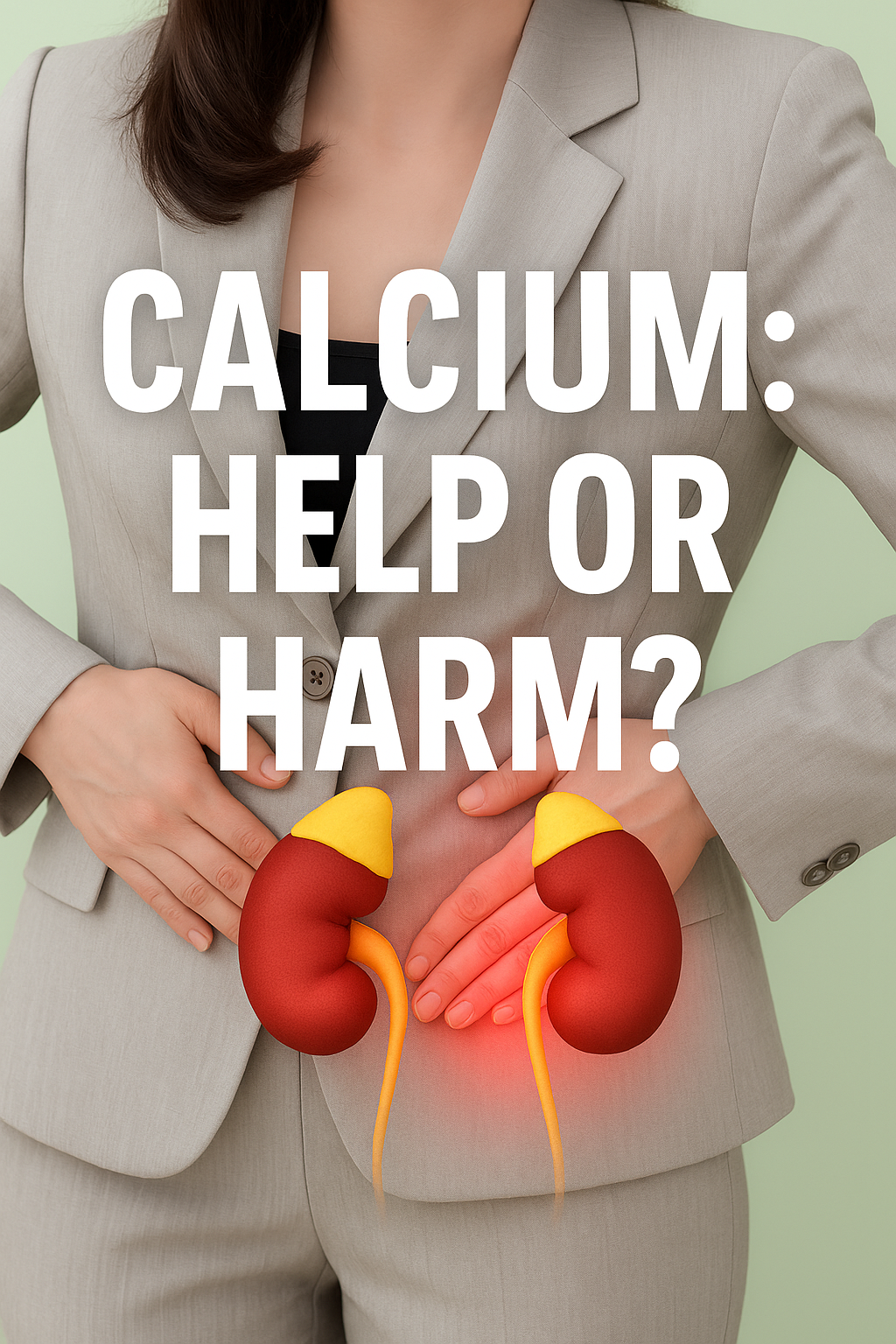
For decades, the advice for anyone worried about kidney stones was simple: cut back on calcium. It seemed to make sense — most kidney stones contain calcium, so less calcium in the diet should mean fewer stones, right? Research over the past few decades has pointed in the opposite direction, and the details are more interesting than the old advice ever suggested.
Actor Liam Hemsworth went through a similar wake-up call. After several vegan years, he developed a kidney stone and described the ordeal as one of the most painful weeks of his life, an experience that pushed him to rethink his entire approach to diet. His story is a reminder that stone risk has as much to do with the details of what — and how — we eat as it does with any single "good" or "bad" food.
What the research actually found
A widely cited study published in the Archives of Internal Medicine followed 96,245 women between the ages of 27 and 44 who had no prior history of kidney stones, tracking their regular eating habits over time. The team, led by Dr. Gary Curhan of Brigham and Women's Hospital, found that the women who consumed the most calcium from food had a meaningfully lower likelihood of developing a kidney stone than those who consumed the least — while calcium from supplements showed no such protective association.
A second, unexpected finding involved phytic acid (also called phytate) — a compound found in fiber-rich foods like whole grains, nuts, and seeds that's known mainly for binding minerals in the gut. According to the researchers, women with the highest phytate intake had a notably lower likelihood of forming stones, and the compound has long been studied as a possible natural inhibitor of calcium stone formation, even if scientists don't fully agree yet on how strong that effect really is.
In short: more calcium from food was linked to fewer stones. Calcium supplements didn't show the same association. And phytate-rich foods appeared to add an extra layer of protection.
Why would food calcium and supplement calcium behave so differently?
The leading explanation comes down to timing and chemistry, not the calcium itself. When calcium is eaten together with a meal, it can bind to oxalate — a compound found in many plant foods that's a common building block of kidney stones — while both are still in the stomach and intestines. Bound together, they're simply passed out of the body instead of being absorbed into the bloodstream and later filtered by the kidneys. A calcium capsule taken on an empty stomach, between meals, doesn't get that same opportunity to intercept oxalate.
A much larger analysis by Curhan and colleagues, published in the Annals of Internal Medicine, followed over 90,000 women for 12 years — more than 900,000 person-years of data in total. Women with the highest dietary calcium intake had a substantially lower risk of developing symptomatic stones than those with the lowest intake, while women who used calcium supplements showed a somewhat higher risk than non-users. The authors pointed to the same explanation: supplements are frequently taken separately from meals, missing the chance to bind oxalate before it's absorbed.
That pattern shows up again in a randomized, placebo-controlled trial from the Women's Health Initiative, published in the New England Journal of Medicine. Over 36,000 postmenopausal women were assigned to take either 1,000 mg of calcium plus 400 IU of vitamin D daily, or a placebo, for about seven years. The supplemented group saw a modestly higher rate of kidney stones — about a 17% increase compared with placebo — even though the same trial also found a benefit for bone density. It's a useful reminder that "more calcium" isn't automatically protective; the source and the way it's consumed both seem to matter.
A more recent study, published in The Journal of Urology by Taylor and Curhan, examined calcium from dairy versus non-dairy food sources separately, following tens of thousands of men and women over decades. Both dairy and non-dairy dietary calcium were independently linked with lower stone risk — reinforcing that it's the food-based route, not one particular food group, that appears to matter most.
What this means for your plate
Putting it all together, the research suggests kidneys tend to respond well to calcium — as long as it arrives as part of a meal, alongside the oxalate-containing foods it can help neutralize, rather than as an isolated pill taken on its own. A commonly cited target is somewhere in the range of 800–1,200 mg of calcium a day from food, a moderate but meaningful amount for most adults.
A few practical ways to get there:
- Include a couple of servings of dairy — milk, yogurt, or cheese — across the day. If you're cutting back on dairy for other health reasons, it's worth reading up on how that trade-off works, and pieces like 6 foods you shouldn't eat after turning 40 and Does full-fat milk really protect against asthma? go into some of that nuance.
- Add a handful of calcium-rich nuts and seeds — almonds and sesame seeds are two easy options.
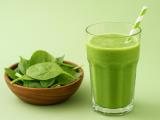
- Work in dark leafy greens like chard or spinach in moderation (some greens are also high in oxalate, so variety helps more than any single "superfood").
- Pair meals with phytate-rich whole grains, beans, or lentils.
Herbs and simple home remedies get mentioned a lot in this context too, and while they're no substitute for the research above, a few are worth knowing about — parsley, for instance, is discussed in this look at an everyday garden herb rich in iron and calcium, and cucumber's diuretic effect is covered in 4 ingredients for joints you probably have at home.
Don't forget the water
Hydration remains one of the simplest and best-supported strategies for stone prevention. The National Kidney Foundation recommends drinking enough fluid to produce around 2–3 quarts (roughly 2 liters or more) of urine a day, which dilutes the minerals that would otherwise concentrate and crystallize. A traditional approach worth a look is this old-fashioned boiled lemon water recipe, since citrus drinks are often mentioned alongside plain water in stone-prevention advice.
And if you and your doctor do decide a calcium supplement makes sense for you, the research above points to one simple habit: take it with a meal, not between meals, so it has the chance to do what dietary calcium seems to do naturally.
Information on this website is for educational purposes only and is not medical advice.
expert, nutritionist
 Would you like to be informed about news on the website?











|

