





A Tomato That Doesn't Smell May Not Be Doing You Any Favours: How to Spot a Disappointing Tomato at the Store
expert, nutritionist
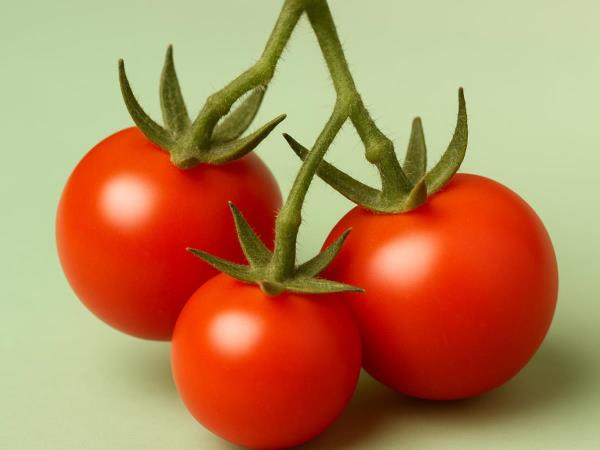
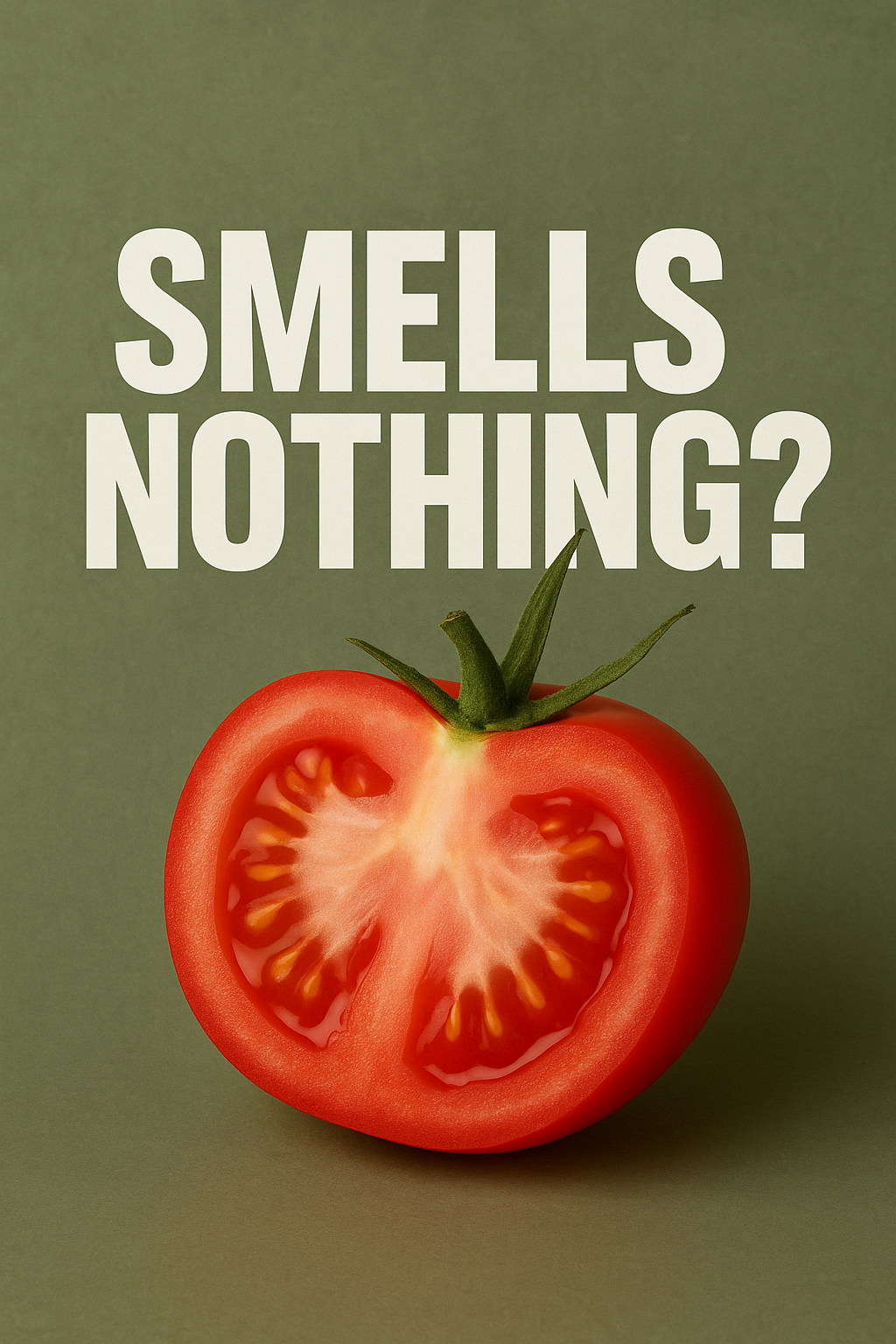
Pick up a supermarket tomato in November, close your eyes and sniff the spot where the stem was. If you smell nothing at all, not that green, slightly peppery, sun-warmed scent, you are probably holding a fruit that was picked hard and green, ripened in a warehouse and shipped in the cold. It looks perfect. It tastes of almost nothing.
The late British chef Gary Rhodes found this out first-hand. While filming a series about everyday ingredients, he travelled to taste tomatoes where they are grown in the sun and found them so good that he assumed nothing at home could match them. Then he met an English farmer growing dozens of varieties whose tomatoes were just as bursting with flavour. What he learned, he said, was that tomatoes in Britain are often picked too young, while still green, so they have lost their flavour by the time they reach the supermarket. The problem was never the tomato itself. It was how the tomato got to us.
Plastic look, no smell, white veins: what's really behind it?
Plastic-looking skin, no aroma, white veins in the flesh. Warnings about these signs travel fast on social media, often with claims that the tomato "may not have been grown naturally." Some of the signs are real and worth knowing about. The explanations attached to them are often wrong.
Food poisoning is a different matter. It is often fast and acute and very hard on the body. If it happens, act quickly and above all avoid dehydration. The NHS guidance on food poisoning advises drinking plenty of fluids and seeking medical help if symptoms are severe or don't improve.
Every so often a story goes around claiming that hundreds of people in Germany suddenly fell seriously ill, some even fainting at the table, and that tomatoes were to blame. There is a real event behind this. In May 2011, Germany saw one of Europe's largest outbreaks of a dangerous strain of E. coli (O104:H4). Early on, German authorities told people in northern Germany not to eat raw tomatoes, cucumbers and leafy salads. However, the investigation by the Robert Koch Institute and the German Federal Institute for Risk Assessment (BfR) traced the outbreak to raw fenugreek sprouts, as described by the U.S. Centers for Disease Control and Prevention, and the warning about tomatoes, cucumbers and leafy salads was lifted. Tomatoes were not the cause. According to the summary of the outbreak, there were nearly 4,000 confirmed cases and 53 deaths.
The lesson still matters. Fresh produce that is eaten raw should always be handled with care. But choosing tomatoes well is mostly about flavour, freshness and getting the most out of what you pay for, not about avoiding poison.
The warning signs, and what they really mean
Popular advice on buying tomatoes usually comes down to a few points. Here is each one, with what food scientists and plant experts actually say about it:
- If a tomato has white veins in its flesh, be careful. Tough white or pale streaks inside the fruit are known to growers as "internal white tissue." Researchers at the University of Florida's IFAS report that high temperatures during ripening seem to trigger it, and that such fruit often looks perfectly normal on the outside. Feeding by the silverleaf whitefly is another known cause. According to UF/IFAS entomologists, the insect can cause uneven ripening and more of this white tissue in the fruit walls. These tomatoes are not considered harmful, but they are usually harder, less juicy and less flavourful. You can simply cut the white parts away.
- If a tomato is too elastic or rubbery, it may be a sign of a genetically modified crop. This one is mostly a myth. Firm, bounce-back tomatoes are the result of decades of conventional breeding for size, firmness and shelf life. A major study in the journal Science (Tieman et al., 2017) analysed nearly 400 tomato varieties and found that modern varieties had lost many of the genes behind their flavour compounds because breeders focused on traits other than taste. As for GMOs, the first GM tomato, the American Flavr Savr, was withdrawn from the market in 1997. Fresh GM tomatoes are not part of the normal European market, and when lab specialists at Eurofins recently found a GM tomato in Latvia, it was reported as an unauthorised product. You can find more on how the EU regulates GMOs on the European Commission's food safety website.
- If a tomato has no smell and looks like plastic, you've almost certainly found a disappointing one. This is the most reliable sign on the list. Commercial tomatoes are often picked green and then, as the American Chemical Society reported in 2015, ripened with ethylene gas and stored and shipped at low temperatures. Ethylene is a natural plant hormone that tomatoes release themselves, so this step is not harmful. The cold is the bigger problem. A study in PNAS (Zhang et al., 2016) found that the aroma compounds that give tomatoes their flavour are sensitive to temperatures below 12 {-15696}C. That is where the smell disappears.
- Only naturally grown tomatoes have a pleasant smell and good colour. (Yes, some people claim that dye is added to make tomatoes look juicier. Don't buy those!) There's a grain of truth and a myth here. Under EU food additive rules (Regulation (EC) No 1333/2008), colourings are generally not permitted on unprocessed fresh fruit and vegetables, so dyed tomatoes are not something you are likely to meet in a European store. But a strikingly even, glossy colour from top to bottom often means warehouse ripening rather than sun ripening. Vine-ripened tomatoes often have slight colour variation, green "shoulders" near the stem, or small cracks. Unripe green tomatoes and especially the plant's leaves contain tomatine, a natural compound related to solanine in green potatoes, which is one more reason to let tomatoes ripen properly before eating them raw.
In other words: if you see a tomato with flaws, an irregular shape and a rich, fragrant smell, appreciate it! It is very often the one that ripened slowly in the sun, and it will usually taste the best.
How to choose a better tomato: a quick checklist
- Smell the stem end. A good tomato smells green, sweet and slightly earthy. No smell usually means no flavour.
- Feel the weight. A ripe tomato feels heavy for its size and gives slightly under gentle pressure, without being soft or mushy.
- Don't be put off by imperfections. Small cracks near the stem, uneven shapes and colour variation are normal. Avoid fruit with mould, leaking juice, deep wounds or a sour smell.
- Buy in season. Summer and early autumn tomatoes from local growers almost always taste better and are often cheaper. We explain why in What If the Tastiest Tomato You'll Eat All Year Is Also the Cheapest?
- In winter, consider smaller varieties. Cherry and plum tomatoes often have more flavour out of season than large round types, and good-quality canned tomatoes are an excellent choice for cooking.
- Look for "vine-ripened" or local origin on the label or ask at the market stall. Farmers who sell their own produce can usually tell you when it was picked.
Keep them out of the fridge
Even a good tomato can be spoiled at home. In the University of Florida study, ripe tomatoes kept at 5 {-15696}C for a week lost important aroma compounds, and some of the flavour did not come back even after the fruit returned to room temperature. Store whole tomatoes at room temperature, stem side down, away from direct sun, and eat them within a few days. Only cut tomatoes, or very ripe ones you can't use straight away, belong in the fridge. Let them warm up before eating.
Why it's worth getting tomatoes right
Tomatoes are low in calories and provide vitamin C, potassium, fibre and lycopene, the red pigment that acts as an antioxidant. Interestingly, the way you prepare them makes a difference. Lycopene is absorbed more easily from cooked tomatoes, especially with a little olive oil, as we explain in Foods We Use Incorrectly. Research into lycopene is still ongoing; you can read about some of it in Tomato as a Shield for the Liver and Brain: What Happens When We Take Red Vegetables Seriously. Tomatoes also appear on our list in 19 Foods That Help Melt Belly Fat - And One of Them Is Perfectly Fine for Breakfast Every Single Day, thanks to their low calorie content and high water content.
A tasteless tomato isn't dangerous, but it is a lost opportunity. If a tomato tastes good, you'll be more likely to eat more of it, and that is good for your plate and your overall diet.
What home growers and market shoppers notice
Anyone who has grown tomatoes on a balcony or in a garden knows the difference. A tomato picked warm from the plant and eaten the same day hardly seems like the same food as a winter supermarket tomato. Many people who switch to buying from local farmers' markets in summer say they rarely go back. Many keep a jar of good canned tomatoes for winter sauces and save fresh ones for the months when they really taste of something. Gardeners also learn to recognise the white streaks inside fruit after a heatwave and know that it's the weather, not chemicals, that caused them.
Frequently asked questions
Are tomatoes with white veins safe to eat?
Generally yes. Internal white tissue is a ripening disorder linked to heat stress and insect feeding, not a sign of contamination. Cut away the hard white parts if you don't like the texture.
Are supermarket tomatoes in Europe genetically modified?
Fresh GM tomatoes are not part of the normal EU market. Firm, long-lasting supermarket tomatoes are the result of conventional breeding and post-harvest handling.
Is ethylene ripening harmful?
Ethylene is a natural plant hormone that tomatoes produce themselves as they ripen. Its use mainly affects flavour, because the fruit was picked before it had fully developed its taste on the plant.
Should I wash tomatoes?
Yes. Rinse tomatoes under running water just before eating or cutting, not before storing, and dry them with a clean towel. Remove bruised or damaged parts.
Information on this website is for educational purposes only and is not medical advice.
expert, nutritionist
 Would you like to be informed about news on the website?










|

