




Barley: The Ancient Grain That May Help You Manage Cholesterol Better Than You Think
expert, nutritionist
Three grams a day. That is how much barley beta-glucan the U.S. Food and Drug Administration considers enough to allow a heart-health claim on barley foods – an amount you can get from a cup or two of cooked whole-grain barley. Health authorities rarely give an ordinary grain that kind of recognition. Yet most of us walk past barley in the supermarket without a second glance.
Celebrity chef and food-science TV host Alton Brown has long been open about building his everyday eating around a few simple rules. In an interview on Larry King Now, he said that one food he makes sure to eat every single day is oats, for the soluble fiber. Brown picked oats, but barley contains the same kind of soluble fiber, beta-glucan, often in even higher amounts. Many readers who have swapped their white rice or pasta for barley a few times a week tell us something similar: they feel full longer, snack less in the afternoon, and enjoy the nutty, chewy texture more than they expected.
Science now backs up much of what used to be old folk wisdom, so we can say it plainly: barley is one of the most underrated grains, and it is well worth adding to your plate. Not just occasionally, but regularly.
If any grain deserves to be called a "superfood", barley is near the top of the list. That's not because it's trendy. It's because barley contains exactly the nutrients the body needs: fiber, minerals, vitamins, antioxidants and compounds that support heart health. Our great-grandparents cooked it, drank it as barley water and used it to soothe digestion. Today, researchers are confirming many of these traditional uses.
Barley – a grain with a long history, making a comeback in modern kitchens
Barley is one of the oldest cultivated grains in the world. Archaeological evidence shows that it was grown in the Middle East more than 10,000 years ago, which makes it one of the first grains ever domesticated. At times it was even more important than wheat. Roman gladiators were nicknamed hordearii, or "barley men", because of how much of it they ate. Barley was used in soups, to thicken stews, as the base for porridges and side dishes, and in drinks such as barley water, which folk traditions still recommend for "cleansing" the body.
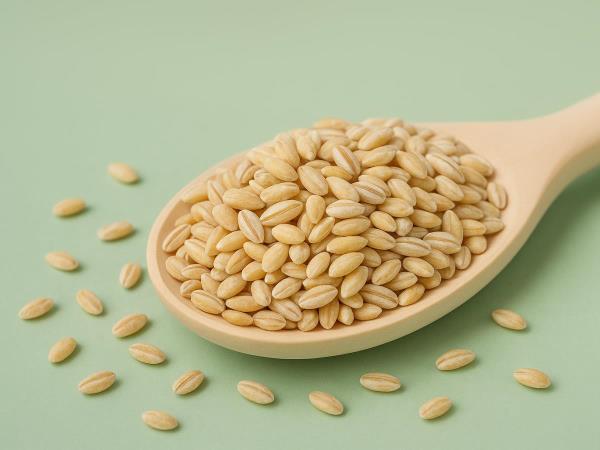
According to the Food and Agriculture Organization of the United Nations (FAOSTAT), the world produces well over 140 million tonnes of barley each year. That's an enormous figure, but more of it goes to animal feed and malting than to our plates. That's a pity, because cooked barley is where it shines, especially in its whole forms: hulled barley, pot barley, barley grits or barley flakes. Pearl barley, the type most often found in stores, is convenient and cooks faster, but because part of the bran is polished away, it contains somewhat less fiber and fewer minerals than hulled barley.
In folk medicine, barley was considered a food that "strengthens the heart, cleans the vessels and gives strength". Today we use more modern words, but the meaning has stayed much the same.
Why is barley so good for you?
It hides a real treasure chest of nutrients. Barley is full of substances that help the body look after itself. It contains:
- plenty of fiber – especially beta-glucan, a particularly valuable soluble fiber
- B vitamins
- selenium
- copper
- magnesium
- phosphorus
- manganese
- chromium
- niacin
It also contains lignans, plant compounds with antioxidant activity. Antioxidants help protect our cells from oxidative damage, which researchers link to ageing, inflammation and the development of chronic conditions such as heart disease.
Beta-glucan – a term worth remembering
Beta-glucan is a special type of soluble fiber that forms a gel-like substance in the digestive tract. That means three things:
- it slows down digestion
- it helps soften blood sugar spikes after a meal
- it creates a feeling of fullness.
That's also why many people feel steadily energised rather than heavy after a barley meal. A meta-analysis of 11 clinical trials, published in the European Journal of Clinical Nutrition by researchers from Agriculture and Agri-Food Canada, concluded that at least 3 grams of barley beta-glucan a day was associated with lower total and LDL cholesterol. Of all cereal grains, oats and barley contain the most beta-glucan, and barley can contain even more than oats.
If we think of the body as a house, digestion is its foundation – and barley is a true master here. Its fiber works in two ways:
- insoluble fiber adds bulk, helps food move steadily through the intestines and supports regular bowel movements
- soluble fiber feeds the beneficial bacteria in your gut.
When gut bacteria ferment these fibers, they produce short-chain fatty acids which, according to the Harvard T.H. Chan School of Public Health:
- nourish the cells of the intestinal wall
- help keep inflammation in check
- support the immune system
- contribute to a healthy gut environment.
In everyday language: your gut gets its own little spa day. Researchers at Lund University in Sweden together with the University of Gothenburg found that barley kernel fiber increased levels of the gut bacterium Prevotella copri, which was linked to better glucose metabolism (published in Cell Metabolism). One word of caution: barley contains gluten and fermentable carbohydrates (fructans), so people with celiac disease should avoid it, and those with irritable bowel syndrome should introduce it slowly and watch how they feel.
Barley and weight management – natural help, no tricks
When the scale creeps up, we often blame food. Barley is certainly not the culprit. Quite the opposite – it helps the body work better, mainly thanks to its high fiber content. With barley on your plate, you tend to:
- eat less
- eat more mindfully
- stay full for longer.
Research suggests that high-fiber meals can help people naturally eat fewer calories over the day because they don't feel a constant need to snack. In the Lund study mentioned above, middle-aged participants who ate barley kernel bread for three days reported better appetite control and less desire to eat compared with white wheat bread. If you'd like to understand why fiber matters so much for a stable weight, read The Secret Weapon Against Stubborn Weight: Is Fiber the One Thing Missing From Your Diet?, and for the other side of the story, Hello, and Fattening: Foods that Sabotage Your Diet.
Folk medicine knew this too, which is one reason barley was used in fasting meals when people wanted to "cleanse the body". And barley is also well studied for its effect on cholesterol.
Barley and cholesterol – how it actually works
When we talk about cholesterol, it helps to understand the difference between LDL ("bad") and HDL ("good") cholesterol. Studies show that barley mainly helps lower LDL; its effect on HDL appears to be small or neutral.
How does it work?
Beta-glucan binds to bile acids in the gut and carries them out of the body. The liver then has to make new bile acids, and it uses cholesterol from the blood to do so. Over time, blood cholesterol levels can gradually come down. A systematic review of 14 clinical trials, led by researchers at St. Michael's Hospital in Toronto and published in the European Journal of Clinical Nutrition, found that diets enriched with barley beta-glucan lowered LDL and non-HDL cholesterol by about 7% – a meaningful result for an everyday food. The European Food Safety Authority (EFSA) and Health Canada have also recognised barley beta-glucan's role in maintaining normal blood cholesterol.
Important: barley is a supportive food, not a replacement for medication. If you have high cholesterol or are taking prescribed therapy, talk to your doctor before changing your treatment.
Barley also supports heart health
High blood pressure is a silent problem for many people. The World Health Organization estimates that about one in three adults worldwide lives with hypertension. As part of a balanced, whole-food diet, barley can support the heart and blood vessels because it:
- helps keep blood sugar steadier
- supports healthy blood lipid levels
- provides antioxidants that help keep inflammation in check
- contributes magnesium and other minerals important for the cardiovascular system.
In several traditional food cultures of East Asia, barley has long been valued as a food that "keeps the blood vessels clean, like water clearing a stream". Blood sugar spikes are one of the main reasons for tiredness, irritability and weight gain. Barley is a low glycemic index (GI) food, which means the sugar from barley enters the bloodstream slowly.
In the Lund University trial, published in the British Journal of Nutrition, healthy middle-aged adults ate bread made largely from barley kernels at breakfast, lunch and dinner for three days. Compared with white wheat bread, the barley meals were linked to:
- lower blood sugar and insulin levels
- better insulin sensitivity
- an increase in gut hormones that help regulate appetite and metabolism.
That means steadier energy and fewer sugar cravings. The researchers recommended adding barley to soups and stews, replacing white rice with cooked barley and pairing it with beans and chickpeas. Read more in Legumes Against High Blood Sugar and Fats, Affordable Foods that Reduce the Risk of Diabetes and Another pandemic among us ....
Barley and your skin – nutrients that support your own collagen
Collagen is the protein that keeps skin firm and elastic. From around the age of 30, the body gradually produces less of it each year, which is one of the reasons for wrinkles and a tired look. Barley doesn't contain collagen itself, but it does provide:
- zinc
- selenium
- B vitamins
- antioxidants.
These nutrients help the body maintain healthy skin and support its own collagen production. In Eastern culinary traditions, barley (especially Job's tears, a related grain) has been eaten for centuries as a "beauty food". Modern research on this is still limited, but a varied diet rich in whole grains, vegetables and fruit is widely recommended for healthy-looking skin.
Barley and the colon – the protective power of fiber
A large review commissioned by the World Health Organization and published in The Lancet found that people who ate the most fiber and whole grains had a noticeably lower risk of colorectal cancer, heart disease and type 2 diabetes than those who ate the least. Barley is one of the most fiber-rich grains. How does fiber help?
- it speeds up the passage of food through the gut
- it reduces the time potentially harmful substances spend in contact with the intestinal wall
- it supports a healthy gut microbiome
- it provides antioxidants that help protect cells from damage.
It's a clear reminder that simple foods can make a real difference. According to the Mayo Clinic, it's best to increase fiber gradually and drink plenty of water, so your digestion can adjust. Traditional kitchen wisdom also recommends:
- soaking barley overnight (8 to 12 hours is ideal)
- rinsing it gently before cooking
- sprouting it (sprouting can increase the availability of some nutrients).
These steps can make barley easier to digest and help your body absorb its minerals. On top of that, barley is one of the most affordable "superfoods" in the world – and it's surprisingly versatile. Use it in soups, as a side dish, in salads, as porridge, in stews or as the base of a homemade "power breakfast".
Barley water was once the most popular drink for recovery. You can make it yourself: rinse a handful of barley, simmer it in about a litre of water for 30 minutes, strain it and drink it chilled, perhaps with a squeeze of lemon. In folk tradition it is said to aid digestion, "cleanse" the body and restore energy.
Barley – a forgotten superfood making a comeback because it works
Add it to your kitchen, and many people notice:
- more steady energy
- better digestion
- fewer blood sugar swings
- clearer, healthier-looking skin
- a stronger feeling of fullness
- easier weight management
- support for a healthy heart.
You don't need expensive supplements, exotic powders or trendy diets. Barley is local, simple, affordable and wholesome. It contains what the body truly needs: fiber, minerals, vitamins and antioxidants. Folk wisdom has known this for a long time; science today is simply confirming it.
Include barley in your everyday meals as often as you can, and your body will thank you.
Read also on Foodwhisper:
- The Secret Weapon Against Stubborn Weight: Is Fiber the One Thing Missing From Your Diet?
- Legumes Against High Blood Sugar and Fats
- Affordable Foods that Reduce the Risk of Diabetes
- 5 Foods That Shorten Your Lifespan
Information on this website is for educational purposes only and is not medical advice.
expert, nutritionist
 Would you like to be informed about news on the website?













|

