






What Does Your Stomach Love Most – and What About Your Brain? The Foods Each Organ Wants for Itself
expert, nutritionist
People who ate baked or broiled fish at least once a week had more grey matter in the brain regions linked to memory – but the benefit disappeared when the fish was fried. That was one of the striking findings of a study from the University of Pittsburgh School of Medicine. It is a perfect illustration of a simple idea: your organs do not just need food, they seem to have favourites – and how you prepare those favourites matters just as much as what ends up on your plate.
Few people have experienced this more vividly than tennis champion Novak Djokovic. Early in his career he struggled with sudden physical crashes during matches, including a well-known collapse at the Australian Open. In 2010, tests pointed to an intolerance to wheat and dairy and a mild sensitivity to tomatoes. After changing his diet, he wrote in his book Serve to Win that it felt as if an "X factor" had arrived, letting his body perform the way it was meant to, as Olympics.com reports. His story, also described by Tennis.com, is a reminder that your body sends signals about what suits it – even though his specific diet is individual and not something everyone needs to copy.
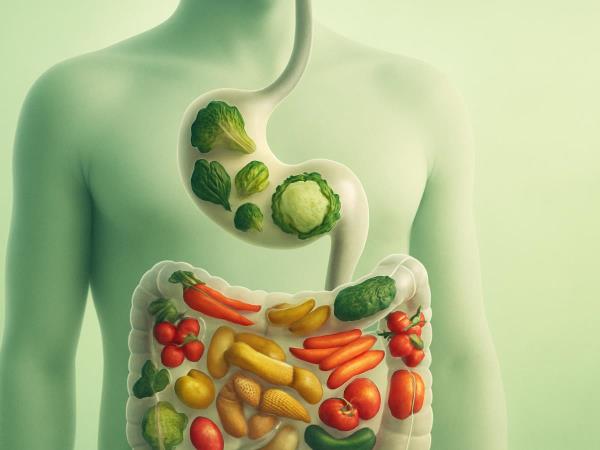
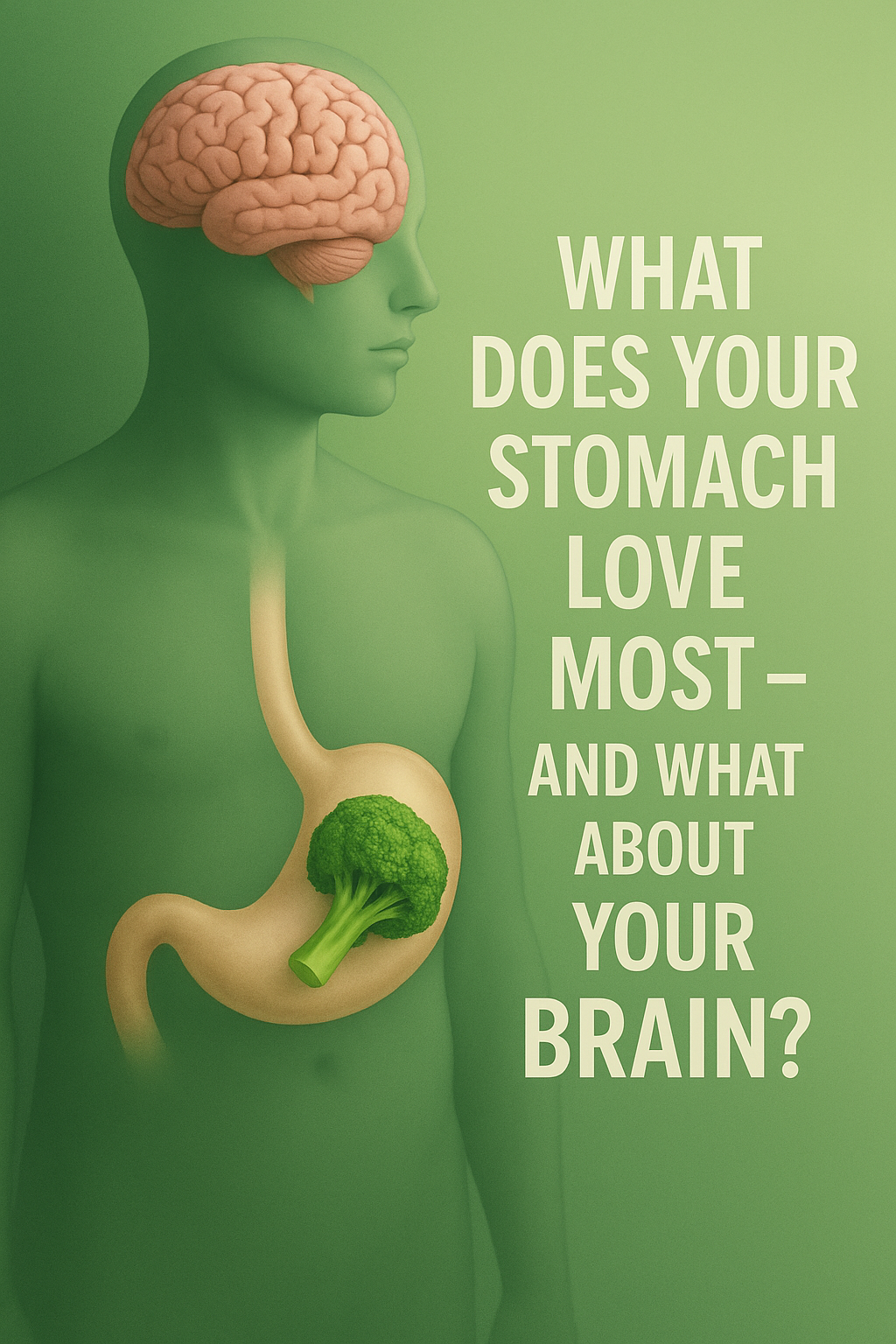
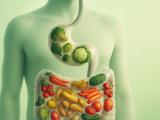
So which foods do your brain, muscles, stomach, skin, gut, heart, eyes and hair seem to like best? Let's take a look.
1. The Brain Loves Fish
Medical research shows a remarkable connection between brain health and omega-3 fatty acids, which are found in the largest amounts in fish. People who eat fish at least once a week tend to have better-preserved brain structure and may enjoy better memory. In the Pittsburgh study mentioned above, published in the American Journal of Preventive Medicine (Raji et al., 2014), researchers followed 260 cognitively healthy older adults and found that weekly baked or broiled fish was associated with larger grey matter volumes in areas important for memory and cognition, as described by UPMC. Interestingly, the researchers concluded that a broader healthy lifestyle likely plays a role too – fish is one part of the picture, not a magic bullet.
We need to be careful, though: fried food, including fried fish, seems to work in the opposite direction. In the same study, fried fish was not linked to any brain benefit, partly because high-temperature frying damages delicate fatty acids. Frequent fried food has also been linked to mood – something we explored in Does French fries really increase the risk of anxiety and depression?
Nutritionist's tip: Choose oily fish such as salmon, sardines, mackerel or trout, and bake, steam or grill it. The American Heart Association suggests about two servings of fish per week. For ideas, see Why Fish and Swiss Chard are the Perfect Pair and, if you rely on canned fish, Tuna in oil or in brine: which has more healthy fats?
2. Muscles and Bananas
Those of you who go to the gym, exercise regularly or run might consider eating a banana before physical activity. Bananas are rich in potassium and also provide vitamin B6, vitamin C, folate, magnesium and easily digestible natural sugars – a handy package of quick energy.
Science backs this up nicely. A study by researchers at Appalachian State University, published in PLoS ONE (Nieman et al., 2012), compared bananas with a carbohydrate sports drink in trained cyclists during a 75-kilometre time trial. Performance was practically identical, and bananas brought extra fibre, nutrients and antioxidants along the way, as summarised by ScienceDaily. (Worth noting: the study was funded by Dole Foods.)
Many recreational runners will recognise the experience: half a banana before a morning run often feels lighter on the stomach than a full breakfast. We wrote more about this in Why you should put on your sneakers in the morning before you pick up a spoon, and about potassium and cramps in Sour Pickle Juice for Leg Cramps.
Good to know: If you take blood pressure medication such as ACE inhibitors, talk to your doctor before eating large amounts of potassium-rich foods – read more in 4 foods not to mix with medications.
3. The Stomach Loves Broccoli
The phytochemicals in broccoli – above all sulforaphane – have been studied for their potential to support a healthy stomach lining. One of the best-known studies, conducted by scientists from Japan and Johns Hopkins University and published in Cancer Prevention Research (Yanaka et al., 2009), found that people infected with Helicobacter pylori – the bacterium behind many cases of gastritis and stomach ulcers – who ate 70 grams of broccoli sprouts daily for eight weeks had lower markers of infection and less stomach inflammation.
The researchers were careful to point out that broccoli sprouts did not cure the infection; the bacteria returned once people stopped eating them, as ScienceDaily reported. Still, the findings suggest that broccoli may be a valuable everyday ally. Long-term gastritis can also upset the balance of beneficial bacteria, which in turn may affect how well your digestion and metabolism work.
Kitchen tip: Chop broccoli and let it rest for a few minutes before steaming it briefly – this helps preserve its beneficial compounds. More on this in Foods We Use Incorrectly.
4. Smooth Skin and Blackcurrants
Blackcurrants are rich in polyphenols (especially anthocyanins), vitamin C and – in their seeds – essential fatty acids, including omega-3 and the omega-6 fatty acid gamma-linolenic acid (GLA). A 2021 review in Roczniki Pa{-14972}stwowego Zak{-14974}adu Higieny highlights the strong antioxidant activity of these compounds.
Blackcurrants are traditionally valued for helping skin look moisturised, radiant and healthy, and the vitamin C they contain is needed for normal collagen formation. Blackcurrant seed oil has also been studied as a supportive option for dry, sensitive skin and seasonal discomfort, although the research is still limited and it should not replace treatment of eczema or allergies prescribed by a doctor.
5. The Gut and Cherries
Anthocyanins, pectin, quercetin and phytosterols are substances found in cherries that may be of real value to your gut. Anthocyanins are powerful antioxidants that are being studied in laboratory research for their protective effects on cells. Pectin is a soluble fibre that supports digestion and feeds beneficial gut bacteria, while quercetin is linked to immune support, healthy cholesterol levels and protection against free radicals.
A small study by researchers at the University of Arkansas and Ghent University, published in the Journal of Nutritional Biochemistry (Mayta-Apaza et al., 2018), found that tart cherry polyphenols could positively shape the gut microbiome – although responses differed strongly from person to person. A later study in Frontiers in Nutrition (2021) found no such change after 30 days, so the science is still evolving.
Want to make the most of fibre? See Do you know where there is a lot of fiber and why is it important? and The Secret Weapon Against Stubborn Weight: Is Fiber the One Thing Missing From Your Diet? And for seasonal eating tips, read What If the Tastiest Tomato You'll Eat All Year Is Also the Cheapest?
6. The Heart and Tomatoes
Tomatoes contain lycopene, a powerful natural antioxidant, and your body can make much better use of it once tomatoes are cooked. Researchers at Cornell University found that heating tomatoes to 88 {-15696}C for 30 minutes raised the content of trans-lycopene by around 164% and total antioxidant activity by 62%, even though some vitamin C was lost (Dewanto et al., Journal of Agricultural and Food Chemistry, 2002). Lycopene is fat-soluble, so a drizzle of olive oil helps even more.
Raw tomatoes, on the other hand, offer plenty of vitamins A and C, potassium, and alpha- and beta-carotene. The best approach? Enjoy both. For more, read Cooked, Not Raw: Why Some of Your Favorite Foods Actually Get More Nutritious With Heat and Tomato as a Shield for the Liver and Brain: What Happens When We Take Red Vegetables Seriously.
7. Vision and Corn
Yellow and orange fruits and vegetables are good friends of your eyes. Their colour comes from carotenoids such as beta-carotene, lutein and zeaxanthin, which support the normal function of the retina and the macula – the part of the eye responsible for sharp central vision. Corn is one of the best food sources of zeaxanthin, while carrots, pumpkin and orange peppers provide plenty of beta-carotene.
The large AREDS2 trial, sponsored by the National Eye Institute, found that lutein and zeaxanthin may help slow the progression of age-related macular degeneration in people who already have the condition, as explained by the American Academy of Ophthalmology. For everyone else, a colourful plate is simply a smart everyday habit. See also New research suggests the beta-carotene in carrots may be far easier for the body to absorb once cooked than raw and What happens if you eat one pepper every day?
8. Hair and Parsley
Parsley contains plenty of vitamins A, C and K, along with folate, iron and calcium (you can check the exact values in the USDA FoodData Central database). Iron, vitamin C and vitamin A all play a role in normal hair growth – iron deficiency, for example, is one of the common reasons hair becomes thinner. Note that parsley does not contain vitamin B12, which comes mainly from animal foods, according to the NIH Office of Dietary Supplements.
Parsley is also traditionally valued for supporting circulation and gently cleansing the body, and the chlorophyll and essential oils it contains have shown antibacterial and antifungal activity in laboratory studies. It cannot prevent baldness on its own, but as part of a nutrient-rich diet, it is a small green helper worth adding generously. Try Surprising parsley water or Carrot, Cucumber, Apple, and Parsley: A Simple Juice That May Help You Feel Fuller for Longer.
The Bottom Line
Your organs do not need exotic superfoods – everyday fish, bananas, broccoli, berries, cherries, tomatoes, corn and parsley already offer a remarkable range of nutrients. The real secret lies in variety and in preparation: bake instead of fry, cook your tomatoes, steam your broccoli briefly and fill your plate with colour. For more ideas, see 5 foods that can help fight inflammatory processes in the body.
Information on this website is for educational purposes only and is not medical advice.
expert, nutritionist
 Would you like to be informed about news on the website?












|

