




Frozen Blueberries: The Paradox That Turns Healthy Eating Upside Down
expert, nutritionist
Here's a kitchen fact that surprises almost everyone: the bag of blueberries at the back of your freezer may hold just as much of the good stuff as the pricey punnet from the produce aisle – and in some ways more. When food scientists at South Dakota State University tracked blueberries in cold storage for months, they didn't find the expected loss of antioxidants. In their samples, the concentration of anthocyanins actually went up.
Nutrition scientists who study these berries tend to keep them close. Walter Willett, the Harvard nutrition researcher known for decades of work on diet and chronic disease, recently told The Washington Post that he eats blueberries almost every day, usually stirred into oatmeal with Greek yogurt and nuts. Harvard-trained psychiatrist and nutritionist Dr. Uma Naidoo has written that she starts most mornings with them too – and says frozen blueberries are just as good as fresh, provided they contain no added sugar, juice or preservatives.
A friend of mine who had struggled for years with stiff joints and constant tiredness recently told me that the only change to her diet she had truly stuck with seemed to bring noticeable relief: three times a day she slowly ate a handful of frozen blueberries – not thawed, not blended into a smoothie, but straight from the freezer, letting them soften slowly in her mouth. After six weeks, she said, her joints felt less sensitive than they had in a long time. Coincidence? Quite possibly – one person's experience is not proof, and many things can influence how our joints feel. But there is some surprisingly solid science behind why frozen blueberries deserve a place in a balanced diet.
Why are frozen blueberries different from fresh ones?
Most of us assume fresh is always best. With blueberries, that isn't necessarily true. Research from South Dakota State University showed that during freezing, ice crystals form that physically disrupt the structure of the cell walls in the blueberry's skin. This may make it easier for the body to access anthocyanins – the antioxidant pigments that give blueberries their deep-blue colour and are thought to be behind many of their potential benefits. In the original study by Marin Plumb, "The Effect of Freezing as a Storage Method on Anthocyanin Concentration in Blueberries", anthocyanin concentration rose from about 3.3 mg/g in fresh berries to almost 8.9 mg/g in berries frozen for 133 days. As Plumb explained to Today's Dietitian, the ice crystals disrupt the plant tissue and make the anthocyanins more available. It's worth noting this was a small university project, so the results are best seen as encouraging rather than definitive.
On top of that, fresh blueberries in supermarkets are often picked before they are fully ripe so they can survive transport and shelf time. Unripe blueberries have a noticeably weaker antioxidant profile than berries picked at peak ripeness. Frozen blueberries, by contrast, are usually harvested when fully ripe and frozen soon afterwards, which helps preserve their nutritional value.
This is in line with a landmark study by Lohachoompol, Srzednicki and Craske, published in the Journal of Biomedicine and Biotechnology (2004), one of the first to look systematically at what happens to the antioxidants in blueberries during freezing and drying. The researchers found that frozen storage did not cause a meaningful loss of anthocyanins. Dried blueberries come off worse – drying can strip away a considerable share of their antioxidants, and many store-bought dried berries also contain added sugar.
💡 Good to know: Anthocyanins are a well-researched group of plant compounds that scientists are studying for their possible role in supporting heart and blood-vessel health, brain function and the body's natural response to inflammation. Blueberries are one of the richest natural sources. A 2020 review in the journal Foods found blueberries and blackberries among the berries with the highest polyphenol content. Read more: Blueberries: The Humble Forest Berry Science Keeps Circling Back To.
What can frozen blueberries do for your body?
1. Heart and blood vessels
Regularly eating blueberries – frozen or fresh – can be part of a heart-friendly diet. Blueberries contain plenty of antioxidants, especially polyphenols, which help protect cells from oxidative stress. The American Heart Association notes that the anthocyanins in blueberries have been linked in scientific research to favourable effects on the cardiovascular system, and that fresh and frozen berries are both good choices. Experts quoted in recent coverage also urge some realism: many blueberry studies are small and short, measure markers such as blood-vessel function rather than actual heart events, and are sometimes industry-funded. Better circulation means better health. – read how berries fit into a simple morning drink.
2. Brain and nervous system
The antioxidants in blueberries may help protect nerve cells from oxidative stress. In the scientific literature, anthocyanins are associated with maintaining cognitive function and supporting memory, and researchers at Baylor University list brain health and cognitive function among the areas where blueberry research looks promising. Some dietitians even call them "brainberries". You can read more about why blueberries keep attracting researchers in Blueberries: The Humble Forest Berry Science Keeps Circling Back To.
How much is enough? There's no single official "dose", but Baylor University researchers point out that studies have used roughly ½ to 2 cups of blueberries a day. Spreading a handful or two across the day – eaten slowly, almost like sweets – is an easy way to get there. If you're not used to much fibre, build up gradually to avoid bloating.
3. Joints and mobility
The anti-inflammatory properties being studied in anthocyanins may also be relevant to joint comfort. Blueberries are among the foods nutritionists often mention as part of an overall diet that supports mobility, particularly as we get older. A review in Frontiers in Pharmacology describes berries as rich in antioxidant vitamins and phenolic compounds that may help moderate inflammatory processes. Blueberries are no substitute for medical care, though – persistent joint pain is always worth discussing with a doctor.
4. Digestion and the gut
Blueberries can be gentle on the gut and support a healthy digestive microbiome. They are a good source of fibre and are low in calories – a combination that is kind to both your digestion and your waistline. According to dietitians quoted by EatingWell via Yahoo Health, one cup provides around 3.6 grams of fibre, and blueberry polyphenols act as fuel for beneficial bacteria in the large intestine.
How to eat them for the best effect
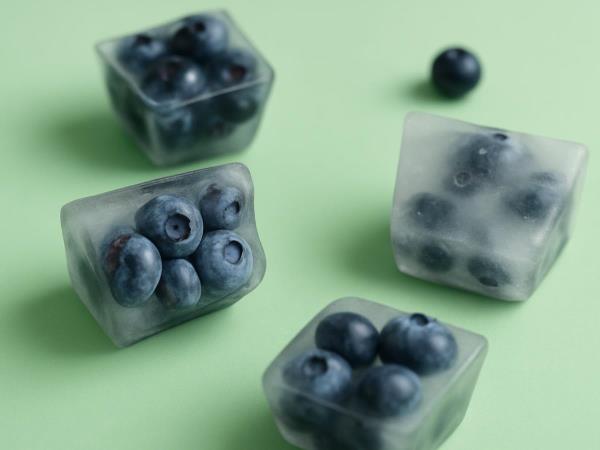
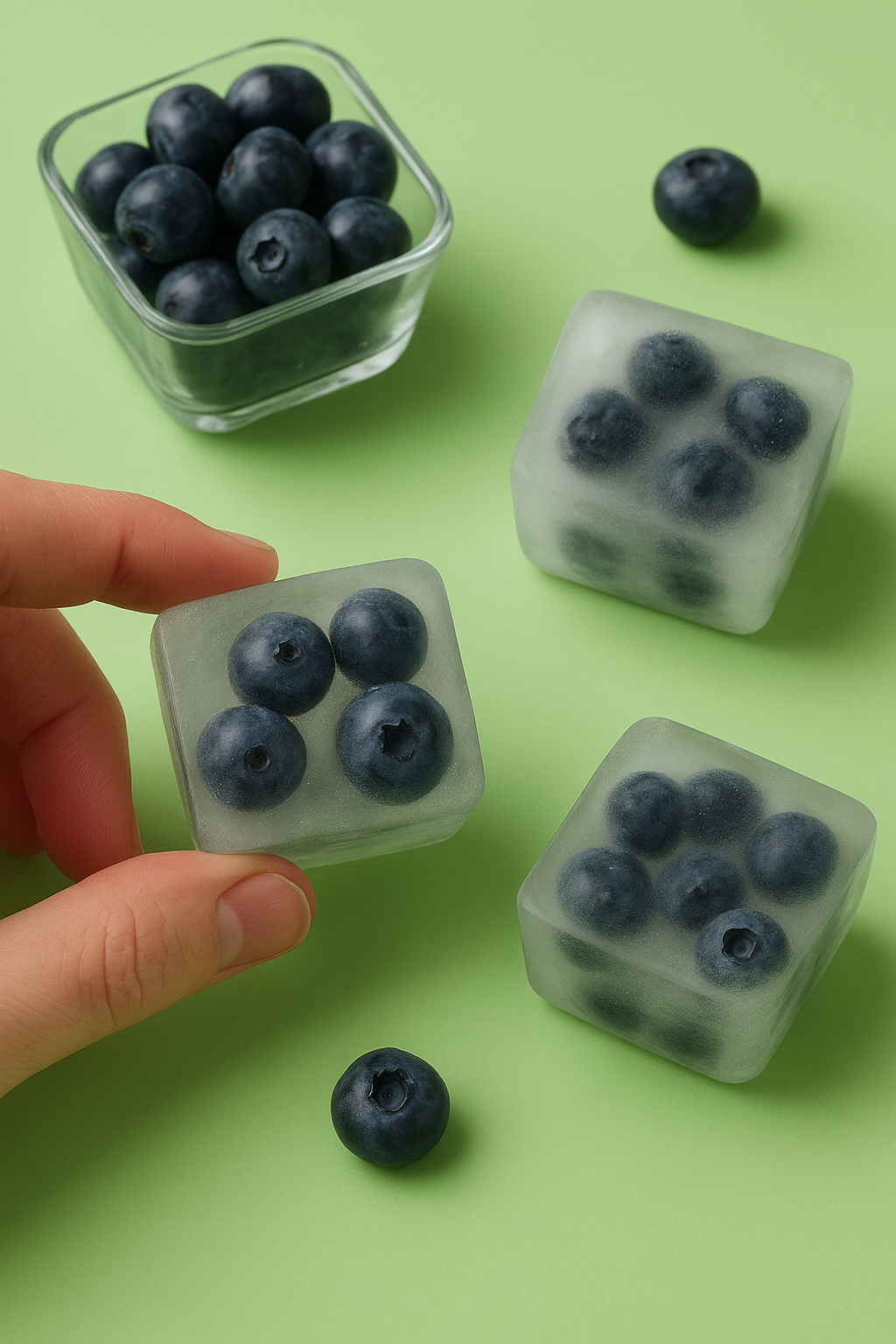
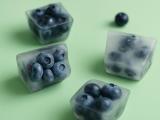
The simplest way is straight from the freezer: take a handful and let the berries soften slowly in your mouth, one at a time, like sweets. There's no need to thaw them first – the freezing has already done its work on the cell walls. (Do read the food-safety note below about which frozen berries are best eaten raw.)
- Smoothie: Frozen blueberries make an ideal smoothie base – no ice needed, and the drink stays thick and creamy. Try A smoothie recipe called the elixir of youth: berries, kefir, and lemon in a glass of energy.
- Quick breakfast: Short on time? The 2-Minute Breakfast Swap Nutritionists Keep Coming Back To: Chia, Coconut & Blueberry Blend takes less time than queuing for coffee.
- Blueberry "nice cream": Blend frozen blueberries on their own until smooth. You get a naturally sweet, refreshing dessert with no added sugar.
- Breakfast cereal or porridge: Simply sprinkle frozen blueberries over your oats – they thaw within minutes and make breakfast more colourful and filling.
⚠️ A food-safety note: Frozen berries have occasionally been linked to outbreaks of hepatitis A and norovirus, because freezing preserves viruses rather than killing them. The Food Safety Authority of Ireland advises boiling imported frozen berries for one minute before eating them, and Germany's Federal Office of Consumer Protection and Food Safety (BVL) similarly recommends heating frozen berries used in desserts and drinks. For eating raw straight from the freezer, the safest choice is berries you picked and froze yourself, or products from trusted local producers. Heated berries still work beautifully in porridge, compotes and baking.
🛒 Shopping tip: Bigger isn't always better. Large cultivated blueberries can be pleasant but sometimes bland, while small, dark wild blueberries tend to have a more intense flavour and a higher concentration of pigments in their skin. The Wild Blueberry Association of North America reports that frozen wild blueberries have about twice the antioxidant capacity of regular cultivated berries – an industry figure, but one consistent with independent research showing that wild berries tend to be richer in antioxidants. Always check the label: the only ingredient should be blueberries.
Frozen or fresh – which is the right choice?
The answer: it depends on when and where you buy them. In season, when local blueberries are at their ripest, fresh ones are an excellent choice. Out of season, frozen blueberries are often the better option – picked riper, kinder to your wallet, and nutritionally more stable. The Wild Blueberry Association notes that 99% of wild blueberries are frozen within 24 hours of harvest, which helps lock in their nutrients. And as dietitians quoted in recent coverage point out, frozen fruit can be a convenient, lower-cost way to eat fruit all year round – as long as blueberries are part of a varied, balanced diet rather than a single "miracle" food.
We've written about blueberries and berries on Foodwhisper many times. Read also:
- Blueberries: The Humble Forest Berry Science Keeps Circling Back To
- The 2-Minute Breakfast Swap Nutritionists Keep Coming Back To: Chia, Coconut & Blueberry Blend
- A smoothie recipe called the elixir of youth: berries, kefir, and lemon in a glass of energy
- Better circulation means better health.
Information on this website is for educational purposes only and is not medical advice.
expert, nutritionist
 Would you like to be informed about news on the website?









|

