




Date: 11/10/2024 - GOOD TO KNOW
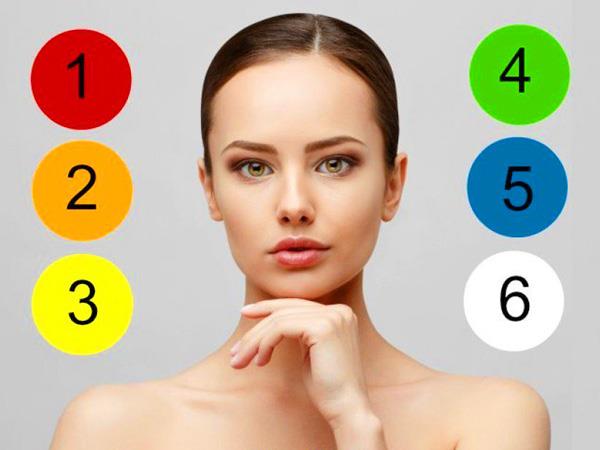
What does a change in color on your face mean?
AUTHOR:
Zvone Stor
expert, nutritionist
expert, nutritionist
Do you think people have slightly bluish, red, green, pale faces? What do the colors on our face reveal about our health?
The following explanation depends on the type of skin, complexion, level of physical activity, and a bunch of other factors, but at least it helps us roughly identify certain symptoms. General practitioners are especially trained to recognize these shades, but you can learn too.
1. Red: This is mostly a reaction to stress, anger, fear, or some other extreme emotional state. It can also be a result of food or drink we have consumed.
2. Orange: This color mostly appears in problems with the pancreas or spleen.
3. Yellow: A yellowish face is a subtle warning that something is wrong with your liver and gallbladder.
4. Green: Can occur as a result of digestive problems, too much medication consumption, urinary issues, but very often it is a sign of hypochromic anemia or iron deficiency in the blood.
5. Blue: Usually a sign of increased hemoglobin concentration in the body, meaning oxygen deficiency.
6. White: A pale face is a sign of thyroid gland weakness and inactive liver. It also indicates a weakened immune system, anemia, and often is a sign of kidney problems.
Information on this website is for educational purposes only and is not medical advice.
1. Red: This is mostly a reaction to stress, anger, fear, or some other extreme emotional state. It can also be a result of food or drink we have consumed.
2. Orange: This color mostly appears in problems with the pancreas or spleen.
3. Yellow: A yellowish face is a subtle warning that something is wrong with your liver and gallbladder.
4. Green: Can occur as a result of digestive problems, too much medication consumption, urinary issues, but very often it is a sign of hypochromic anemia or iron deficiency in the blood.
5. Blue: Usually a sign of increased hemoglobin concentration in the body, meaning oxygen deficiency.
6. White: A pale face is a sign of thyroid gland weakness and inactive liver. It also indicates a weakened immune system, anemia, and often is a sign of kidney problems.
Information on this website is for educational purposes only and is not medical advice.
Author:
Zvone Stor
expert, nutritionist
expert, nutritionist
 Would you like to be informed about news on the website?
Just enter your e-mail
Color change on face
Health indicators on face
Face color and health
Facial color and symptoms
Skin color and well-being
Latest news

Milk, Sugar, and Grapefruit: The Everyday Foods That Can Quietly Sabotage Your Medication
Read more >>

One Cut That Changes Everything: The Trick That Turns Ordinary Potatoes Into the First Dish Gone From the Table
Read more >>


The Three-Ingredient Morning Smoothie That Nutritionists Say Can Give Your Digestion a Gentle Head Start
Read more >>


19 Foods That Help Melt Belly Fat - And One of Them Is Perfectly Fine for Breakfast Every Single Day
Read more >>


Carrot, Apple, Lemon, and a Spoonful of Horseradish: The Homemade Juice Nutritionists Compare to a Multivitamin in a Glass
Read more >>

Eat More at Breakfast, Weigh Less: Simple Tricks to Eat Fewer Calories Without Feeling Deprived
Read more >>

This Three-Ingredient Kitchen Scrub for Stretch Marks Is Going Viral — Here's What It Can Really Do<
Read more >>



Your Body Is Sending You a Message: What Sugar, Chocolate, Carb, Meat, and Salt Cravings May Really Mean
Read more >>

Interaktive Widgets:
|

