




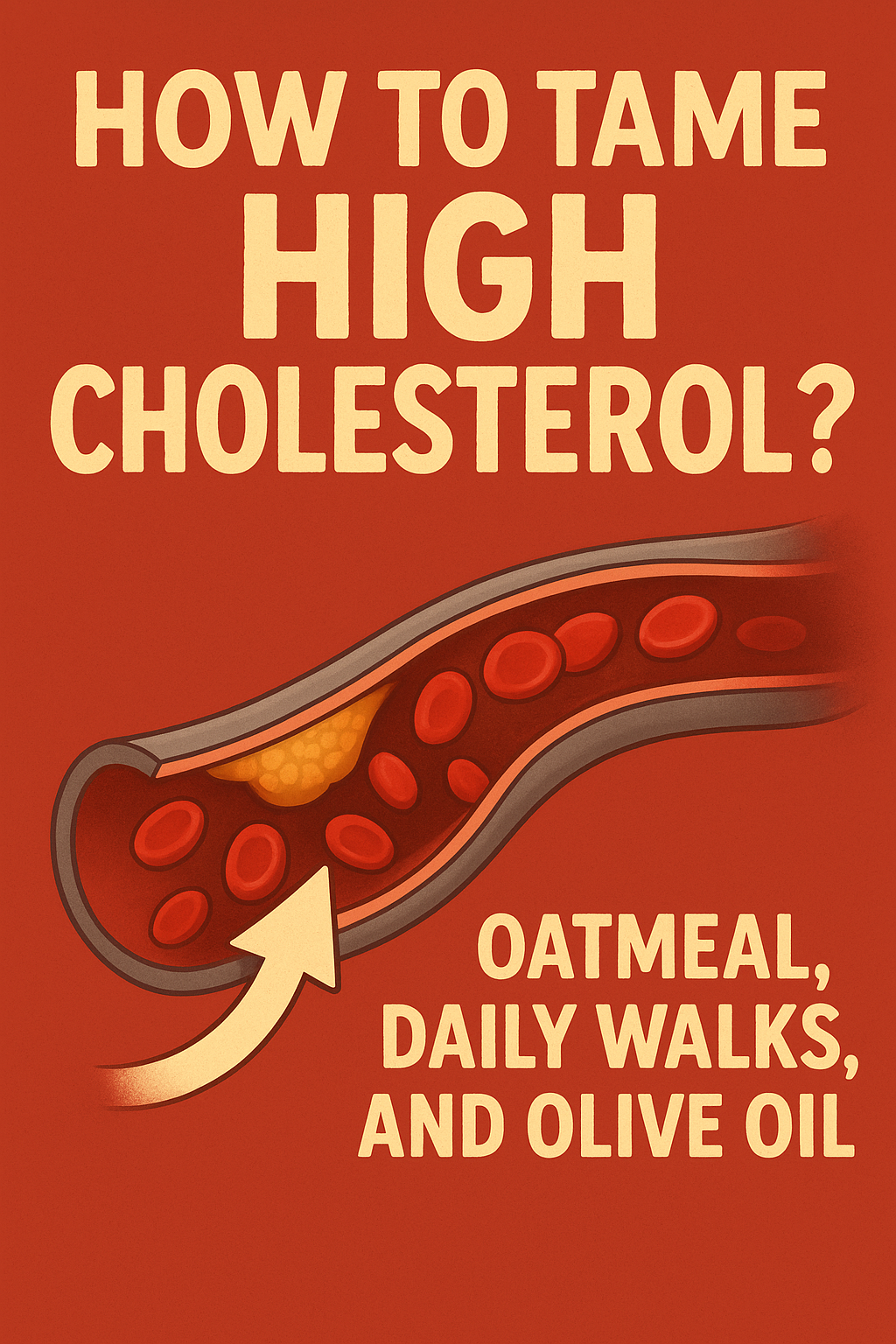
Quiet Warning Signs: How Oatmeal, Daily Walks, and Olive Oil Can Help Tame High Cholesterol
expert, nutritionist
Most people only find out their cholesterol is elevated when a blood test says so. There is no toothache, no burning sensation, no obvious alarm. Yet 61% of EU adults had raised cholesterol levels as of 2023, according to data cited by the European Society of Cardiology {-15454}€” and a large share of them had no idea. That invisibility is precisely why small, consistent habits matter more than a single dramatic lifestyle overhaul.
LDL, HDL, and Why the Difference Matters
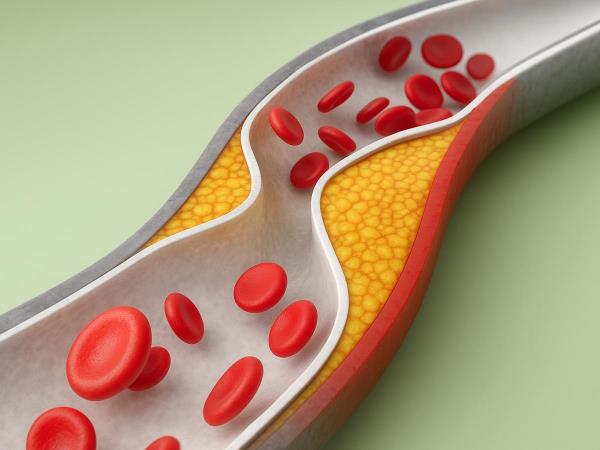
Cholesterol is a fat the body genuinely needs {-15454}€” every cell membrane depends on it. The problem is LDL ("bad") cholesterol, which can gradually build up along artery walls and narrow them. HDL ("good") cholesterol works in the opposite direction, ferrying excess fat back to the liver for disposal. The goal of most lifestyle changes is to push LDL down while keeping or raising HDL. Foodwhisper has covered the basics in Is egg really responsible for heart problems? {-15454}€” worth a read if you want the fuller picture on dietary cholesterol.
1. Fiber: The Quiet Cleaner Your Arteries Will Thank You For
Fiber is one of those nutrients everybody nods at and few people actually eat enough of. The World Health Organization recommends at least 30 g of fiber daily for adults, yet most Europeans manage only around 17 g. In practical terms, fiber acts like a sponge inside the digestive tract {-15454}€” it binds to cholesterol and bile acids and carries them out before they can be reabsorbed.
Oats and Beta-Glucan
The star of the oat is its soluble fiber, beta-glucan. Multiple randomized controlled trials show that consuming 3{-15454}€“4 g of oat beta-glucan daily reduces LDL cholesterol by a median of roughly 6{-15454}€“6.5%. You can read the trial published in The Journal of Nutrition at PubMed (PMID 34236436). A large bowl of cooked oatmeal contains about 4 grams of fiber and is an excellent breakfast choice for anyone looking to lower cholesterol and regulate blood sugar. Foodwhisper explored this further in 7 healthy carbohydrates you can eat without worry and in a practical how-to guide, Forget Cow's Milk: Make Your Own Oat Milk With Just Two Ingredients.
Apples, Pears, and Pectin
Apples and pears are rich in pectin, a gel-forming soluble fiber that traps cholesterol in the gut. Apples are portable, inexpensive, and their fiber content is a well-documented reason they help lower LDL ("bad") cholesterol. Two large apples supply roughly 15 g of pectin {-15454}€” the amount used in several studies examining cholesterol reduction.
Legumes
A study from Singapore involving 127 adults with pre-diabetes found that eating around 100 g of cooked legumes daily for 16 weeks not only improved blood sugar, but also lowered total cholesterol and LDL, while actually raising HDL. Eating legumes at least three to four times a week is a realistic, affordable target {-15454}€” see Foodwhisper's deep dives in Legumes Against High Blood Sugar and Fats for more detail.
2. A Daily Brisk Walk: The Cheapest Cardiovascular Habit There Is
No running shoes, no gym membership, no suffering required. Twenty to thirty minutes of brisk walking most days is enough to make a measurable difference. A 2022 systematic review and meta-analysis of 21 studies involving over 1,100 women found a statistically significant decrease in LDL levels with walking compared to control groups. The review is discussed at Journal of Family Practice (MDEdge). A separate Chilean national health survey study found that people who walked at a brisk pace had a meaningfully better lipid profile {-15454}€” including higher HDL {-15454}€” compared with those who walked slowly.
It is worth being honest about the evidence here: the same review notes that the lipid reductions achieved from walking, if any, are minimal, and results vary considerably across studies. Walking is unlikely to transform cholesterol numbers on its own, but combined with dietary changes {-15454}€” oats, olive oil, legumes {-15454}€” it forms a coherent, low-cost routine. Folk wisdom has always said that "walking stirs the blood," and the physiology bears this out: improved circulation helps the body process and clear lipids more efficiently.
3. Smart Fats: Olive Oil, Walnuts, and Fatty Fish
Not all fats are the enemy. The right unsaturated fats actively support a healthier cholesterol balance.
Olive Oil
Olive oil is rich in monounsaturated fats, which the Harvard T.H. Chan School of Public Health notes make up more than 70% of the fat in high-quality extra virgin olive oil {-15454}€” fats associated with a healthier cholesterol profile. Research has linked regular olive oil consumption to healthier triglyceride and cholesterol profiles; a long-term study following more than 90,000 people over 28 years found that those who consumed the most olive oil had a meaningfully lower risk of early death, including death from heart disease. Replacing refined seed oils with extra virgin olive oil is one of the simplest kitchen swaps available. Foodwhisper covers the evidence in Still Hungry Right After Lunch? Your Triglycerides Might Be the Hidden Reason {-15454}€” and 4 Foods That May Help.
Walnuts
A daily handful of walnuts is one of the simplest habits nutrition researchers keep circling back to {-15454}€” consistent studies link it to healthier cholesterol levels, steadier blood pressure, and support for brain function as we age. Researchers generally attribute much of this benefit to the walnut's rich supply of omega-3 fatty acids, which are also associated with supporting blood vessel and heart health. See Foodwhisper's full article: One Handful of Walnuts a Day: The Small Snack Nutritionists Keep Coming Back To.
Fatty Fish
Salmon, sardines, and mackerel are among the richest sources of EPA and DHA, the omega-3 fatty acids most strongly linked to cardiovascular health. Cold-water fish has the highest amounts of DHA and EPA, the two fatty acids most closely linked to heart health, though the body can also convert some plant-based ALA (found in walnuts and flaxseed) into EPA and DHA. Folk tradition long held that "fish makes the blood soft" {-15454}€” today we understand this as a reference to arterial flexibility and reduced inflammation.
Putting It All Together: A Simple Daily Rhythm
The best habit is one you do not notice. Rather than a rigid diet, think of this as a loose template:
- Breakfast: oatmeal with a sliced apple {-15454}€” soluble fiber from two directions at once.
- Lunch: swap refined seed oil for extra virgin olive oil on your salad or vegetables.
- Afternoon: a 20{-15454}€“30 minute brisk walk, even just around the block.
- Dinner: plenty of vegetables, a portion of legumes or fatty fish, and a small handful of walnuts.
A large review of 32 scientific studies involving more than 715,000 people found that those who regularly consume plant proteins {-15454}€” from legumes, nuts, and whole grains {-15454}€” have up to a 12% lower risk of heart disease and an 8% lower risk of premature death from any cause. These kinds of dietary patterns, sustained over months rather than days, are where the measurable effect on cholesterol accumulates. See also Foodwhisper's Plant Proteins for a Longer Life.
Pantry Remedies That Have Earned Their Reputation
Grandmothers across Europe kept a short list of cheap, everyday ingredients that modern research has begun to examine more closely. The effects are modest {-15454}€” think of them as useful add-ons rather than replacements for the habits above.
-
Garlic {-15454}€” the original "artery cleanser"
Garlic contains allicin, an organosulfur compound studied for its effect on blood lipids. In one medically supervised study with 200 volunteers receiving 4 g of garlic extract daily for six months, participants with high blood pressure saw improvement, and those with existing heart problems experienced significant benefit. Foodwhisper's article 19 Foods That Help Melt Belly Fat - And One of Them Is Perfectly Fine for Breakfast Every Single Day notes that the European Food Safety Authority has confirmed garlic can support normal immune system function. The cholesterol-lowering effect appears real but is modest in human trials {-15454}€” do not expect dramatic numbers from garlic alone. -
Apple Cider Vinegar {-15454}€” an old farmhouse classic
Apple cider vinegar contains acetic acid, which some small studies suggest may slow fat synthesis in the liver and help with blood sugar regulation. The evidence for a direct cholesterol-lowering effect in humans remains limited and inconsistent; treat it as a flavorful condiment rather than a cure. See Foodwhisper's related coverage: Vegetables that protect the body from too much sugar. -
Dried Plums {-15454}€” an overlooked source of pectin
Prunes are dense in soluble fiber, including pectin. A handful (around 50 g) each day provides meaningful fiber toward your daily target and has been examined in small studies for modest LDL reduction. They double as a digestive aid, which is a welcome bonus.
Why Natural Approaches Matter More Than Ever Right Now
Sedentary work, home-office culture, and processed food have quietly nudged population cholesterol numbers upward since 2020. The World Health Organization recommends that adults limit saturated fat to no more than 10% of daily calories; research shows that replacing saturated fats with unsaturated fats {-15454}€” such as those in olive oil or fish {-15454}€” reduces the risk of heart disease by approximately 14%.
The encouraging part is that the threshold for getting started is low. If you could make only one change, begin with a daily walk. Add oatmeal for breakfast when that feels easy. Swap your cooking oil to extra virgin olive oil when you are ready. A plant-rich diet lowers blood pressure, regulates blood sugar, and reduces bad LDL cholesterol {-15454}€” all of them key factors in the prevention of the most common causes of death: heart disease and type 2 diabetes. Each small change is a tile in a larger mosaic {-15454}€” and the mosaic takes shape faster than most people expect.
Information on this website is for educational purposes only and is not medical advice.
expert, nutritionist
 Would you like to be informed about news on the website?









|

