


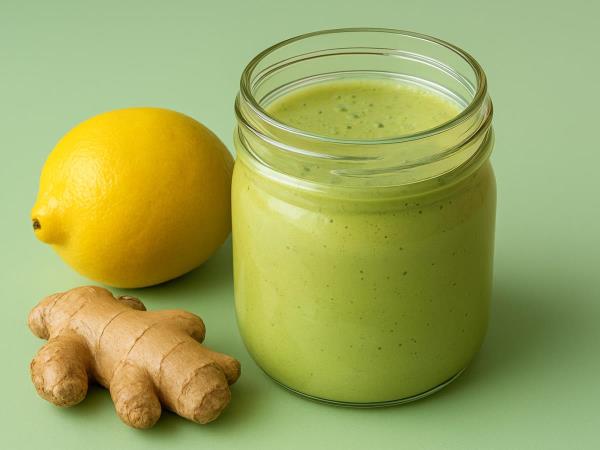
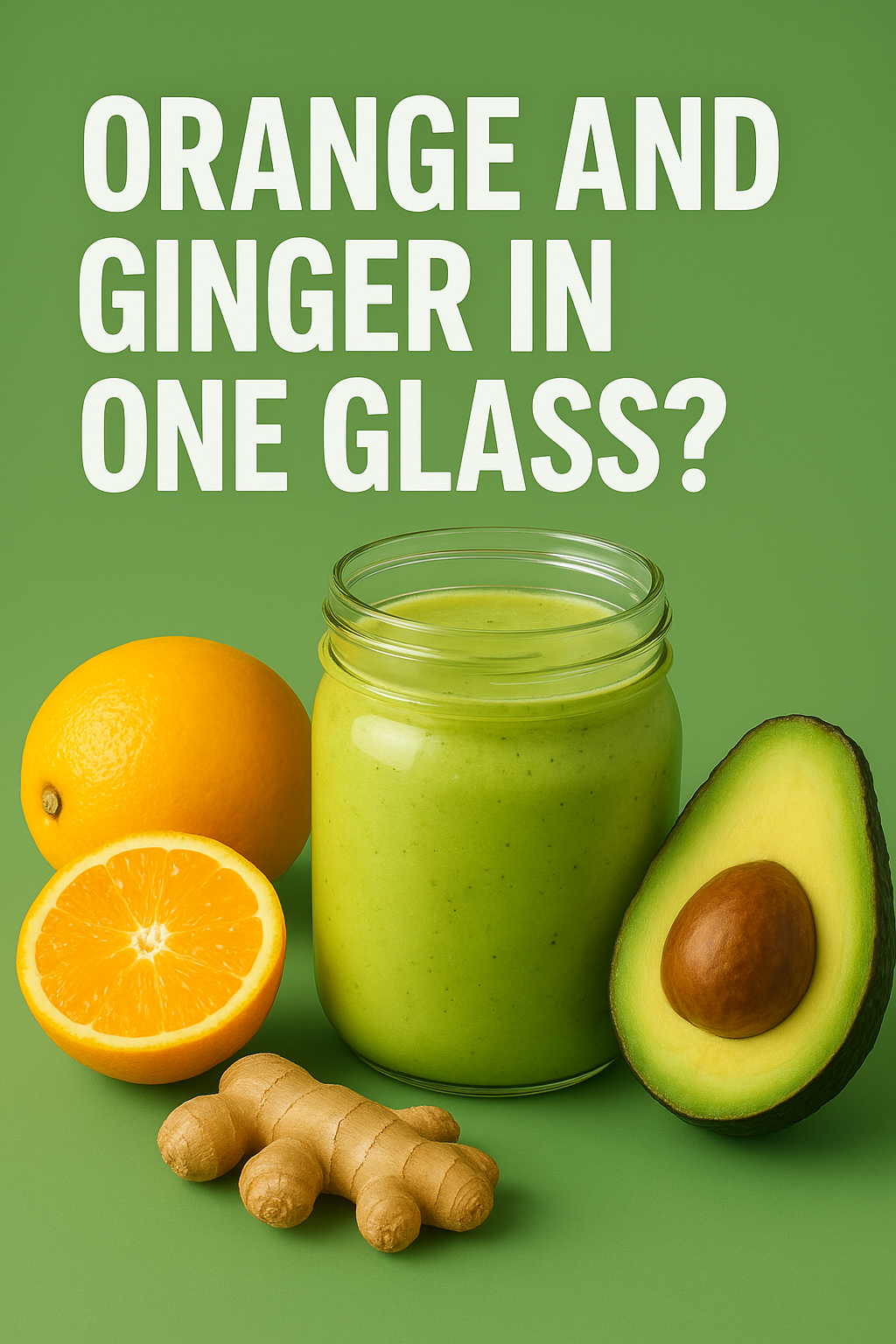


Orange and Ginger in One Glass: A Winter Drink That Supports Immunity and Digestion
expert, nutritionist
Drink your orange juice the moment you make it. That is the single most useful piece of advice in this recipe - and there is real science behind it. A European shelf-life study published in the International Journal of Food Sciences and Nutrition found that freshly squeezed orange juice retains 85 - 92 % of its vitamin C after 48 hours in the fridge, but commercial juices had already lost 30 - 40 % compared with fresh. The takeaway: the longer you wait, the less you get - so with this drink, fresh really does mean fresh.
Why Oranges Are Worth Every Squeeze
A medium orange contains around 15 grams of carbohydrates and is well known for its high vitamin C content, which helps support the immune system. But vitamin C is not the whole story. Oranges are also rich in minerals, fiber, and antioxidants that contribute to overall health.
Vitamin C is highly sensitive to heat, pH, metals, light, and oxidation, making it a key marker for nutrient degradation. During short storage periods of four to sixteen hours only slight changes are typically observed, suggesting vitamin C remains relatively stable in freshly prepared juice - but as storage time increases, the content decreases across all conditions, and the rate of degradation is strongly influenced by temperature. The practical upshot: blend this drink and drink it straight away.
Ginger: Small Root, Real Science
Ginger has long been used to ease digestive discomfort, and modern research backs up at least part of that reputation. A review of clinical trials found that ginger significantly reduced overall symptoms of irritable bowel syndrome and improved quality of life compared with a placebo, including improvements in bloating, abdominal pain, and gas.
Other research has linked ginger to improved gastric motility and reduced bloating and nausea in people with functional digestive complaints. Researchers believe this happens because ginger contains compounds called gingerols and shogaols that interact with serotonin receptors lining the intestines, influencing how digestive muscles contract and move food along.
The original recipe also claims that the orange-and-ginger combination increases vitamin absorption by up to 80 %. The reality is a little more nuanced. Ginger has been studied for its possible influence on the intestinal absorption of iron, zinc, calcium, and beta-carotene; higher in-vitro absorption of these micronutrients was found in ginger-fed animals, and ginger also increased zinc, iron, {-15230}{-14915}{-15477}›-carotene, and calcium absorption in rat intestines. In an in-vitro cell study, black pepper and ginger extracts increased the uptake of vitamin E acetate into intestinal cells, and ginger extract augmented the uptake of vitamin K2. These are encouraging findings, but they come from animal and laboratory experiments rather than human trials, so the exact figure of "80 %" should be treated as a rough illustration rather than a proven number for people. As ginger promotes - through gingerols - the intestinal absorption of many compounds and elements, pairing it with a nutrient-dense drink still makes good intuitive sense.
One point the original gets absolutely right: fresh, just-grated ginger is much better than powdered ginger, where you never know what else has been mixed into the powder.
Why the Avocado Belongs Here
Several vitamins - including beta-carotene, the plant precursor to vitamin A, as well as vitamins D, E, and K - are fat-soluble, which means the body cannot absorb them well without fat present in the same meal. That is exactly why a quarter of an avocado makes such a smart addition to what is otherwise a fruit-based drink.
Lycopene and beta-carotene are fat-soluble - they need a source of fat traveling through the gut at the same time to be absorbed efficiently. A controlled study from Ohio State University, published in the Journal of Nutrition, found that adding avocado to tomato salsa increased lycopene absorption by 4.4 times and beta-carotene absorption by 2.6 times compared with salsa alone. The same principle applies here: the orange provides carotenoids, and the avocado provides the fat matrix to unlock them. For more on this pairing strategy, see Foods That Improve Nutrient Absorption and The Kitchen Trick Your Body Is Begging You to Learn.
Avocados contain 25 essential nutrients - nutrients the body cannot produce on its own but needs - making them one of the most nutritionally complete foods available.
Almond Milk and Lettuce: the Quiet Contributors
Healthy fats are found in almond milk, soy milk, tofu, and nut butters, so the splash of almond milk in this drink adds a small extra layer of fat alongside the avocado, helping to keep the texture smooth and drinkable. Three leaves of green lettuce add water and trace minerals without meaningfully altering the flavour - think of them as the drink's quiet filler rather than its headline act.
The Recipe
- 2 peeled oranges
- 1{-15230}{-13416}{-15454}‚{-15700}{-15454}€{-14949}2 cm freshly grated ginger
- {-15230}‚Ä{-13411} avocado
- 3 leaves of green lettuce
- 100 ml (1 dl) almond milk
Method: Put all the ingredients into a blender and blend until completely smooth. Pour and drink immediately.
One practical note worth flagging: many blenders heat up food during blending enough to significantly reduce vitamin C. If yours runs warm, keep the blend time short - 30 to 45 seconds is usually plenty for smooth results.
When to Drink It
The original suggests drinking this on an empty stomach and waiting at least 20 minutes before eating anything else, so the body can focus entirely on absorbing the nutrients. That is a reasonable habit - having the drink first thing in the morning or as a standalone mid-morning snack works well in practice. For more drink ideas built around winter immunity, see Juice with cayenne pepper that boosts metabolism and 4 Ingredients, One Evening Glass: A Ginger, Cucumber, Parsley & Lemon Drink That Supports a Healthy Metabolism. If you find the ginger flavour a little sharp on its own, the approach in Miracle Cucumber and Ginger Juice - adding a few ice cubes after blending - works equally well here.
Information on this website is for educational purposes only and is not medical advice.
expert, nutritionist
 Would you like to be informed about news on the website?













|

