





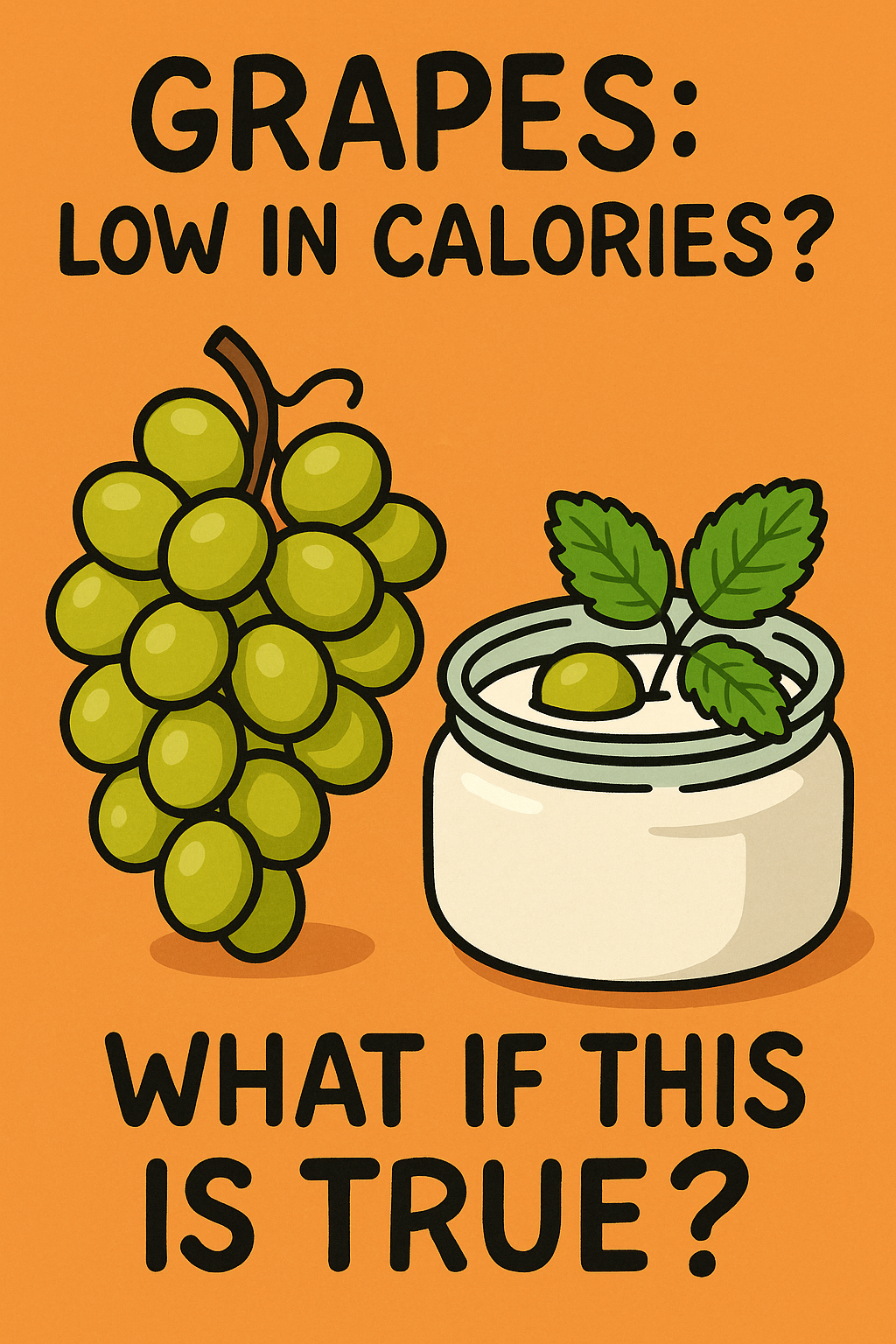
Grapes: Sweet, Yet Surprisingly Kind to Your Waistline and Wellbeing
expert, nutritionist
What if one of the sweetest fruits in the market turned out to be one of the friendliest to your figure? For years, grapes were quietly pushed aside by dieters as "too sugary." Yet a closer look at the numbers, and at what researchers keep finding in grape skins and seeds, tells a very different story. This small, juicy berry deserves a second look.
Even the world's top athletes keep them close. Four-time Grand Slam champion Naomi Osaka told E! News that she always keeps a cup of fruit nearby, usually grapes or berries, as her go-to snack between meals. For someone whose career depends on steady energy, a naturally sweet, hydrating snack that does not weigh her down is a practical choice, and one anyone can copy.
An acquaintance of mine, who had long struggled with a few extra pounds, shared an interesting experience with me. Every summer she reached for grapes, not for health reasons, but simply because she loved them. Over the years, she noticed that in September, when grapes are most plentiful, she always felt lighter, her skin looked fresher and she was less prone to bloating. Only when she began reading more carefully about nutrition did she understand why.
Grapes are not just a sweet snack. They are a surprisingly rich functional fruit that is worth taking seriously, both for their nutritional value and for the way they can support overall wellbeing.
How Many Calories Do Grapes Have, and Why That Is Good News
For a long time, grapes were considered too sweet and too high in calories to eat regularly. The numbers say otherwise: 100 grams of grapes provide only around 55 to 70 calories, depending on the variety, according to data such as the USDA FoodData Central database. Grapes are also made up of roughly 80 to 85 percent water, which makes them a naturally filling food with a mild diuretic effect that helps the body maintain a healthy fluid balance.
Grapes contain just enough natural sugar to satisfy a sweet craving without going overboard on calories. They also provide manganese, a mineral that contributes to normal energy metabolism. As registered dietitians quoted by Medical News Today point out, no single fruit melts away pounds on its own, but the high water and fiber content of grapes can help you feel satisfied with fewer calories. If you are also looking for ideas on sensible, gentle weight management, read Diet without dieting and 2 kg less per week, where grapes make an excellent addition to a balanced diet.
Grapes contain vitamins C, K and E, several B vitamins, as well as potassium, phosphorus, calcium, iron and magnesium. This combination of nutrients supports the body in many ways: vitamin C contributes to normal collagen formation for healthy skin, while potassium contributes to normal blood pressure and muscle function.
Practical tip: Keep a small bowl of washed grapes within reach as a snack between meals. They can replace candy and keep you fuller than most packaged snacks. On hot days, try freezing them: frozen grapes taste like little sorbet bites.
Resveratrol, Quercetin and Other Antioxidants: Why Red Grapes Are Special
Red and dark grapes contain a remarkable wealth of flavonoids and polyphenols, with quercetin, anthocyanins and resveratrol standing out. Research published on PubMed Central (National Institutes of Health) describes resveratrol as a natural antioxidant with high biological activity that scientists are studying for its potential role in heart health and in managing inflammation. A 2025 review in the journal Horticulturae (MDPI) similarly notes that a number of studies point to resveratrol's potential in supporting health, from its anti-inflammatory activity to antioxidant protection of cells.
A broad 2024 overview in Food Production, Processing and Nutrition (Springer Nature) summarized research linking grape consumption with a lower risk of several chronic conditions and highlighted emerging findings on how grape compounds may interact with gut bacteria. It is worth keeping expectations realistic, however: most of the strongest results come from laboratory studies or concentrated extracts, and the amounts of resveratrol in a bowl of grapes are modest. The real value lies in the whole fruit and its full package of nutrients, not in one "miracle" molecule.
Grape seeds also contain pterostilbene, a compound closely related to resveratrol that researchers are investigating for its possible role in supporting healthy blood lipid levels. Some people therefore enjoy seeded varieties and chew the seeds, too. If you are curious about the other side of the story, and which everyday foods may speed up skin aging, read Food That Makes You Age Faster.
Grape skins contain fiber, including pectin, which supports regular digestion. The B vitamins in grapes contribute to the normal function of the nervous system and to reducing tiredness and fatigue, which is helpful on busy, stressful days. If bloating is something you often struggle with, you may also find useful ideas in Get Rid of Bloating and Excess Water.
Grapes and Blood Sugar: Surprising Findings
You might expect grapes, with their natural sugars, to be unsuitable for anyone keeping an eye on blood sugar. Recent findings, however, suggest a more nuanced picture. A study published in the Korean Family Medicine journal (2023), based on data from the large Korean Genome and Epidemiology Study, found that higher grape consumption was associated with a lower risk of developing type 2 diabetes, while total fruit intake did not show the same association. This is an observational finding, so it does not prove cause and effect, but it suggests grapes may have qualities worth studying further.
This fits well with broader guidance from Harvard Health Publishing, which explains that whole fruit, with its fiber, water and polyphenols, affects the body very differently from sweets and sugary drinks. The key is the portion: a cup of grapes (about 150 grams) spread out as a snack, ideally paired with a handful of nuts or some yogurt, is a sensible amount. Grape juice and raisins are a different matter, since the sugars are far more concentrated.
Note: The content of this article is for informational purposes only and does not replace the advice of a doctor or registered dietitian. Everyone is different, so if you have diabetes or any other health condition, please consult a qualified professional before changing your diet.
A 4-Day Grape Menu: Sample Meal Plan
Grapes fit beautifully into short, light eating plans. Below is a sample 4-day menu that features grapes alongside balanced meals. Think of it as inspiration for a lighter few days rather than a strict "detox"; your body cleanses itself perfectly well through the liver and kidneys. Before making bigger dietary changes, it is always wise to learn about healthy, gradual approaches to weight management.
DAY 1
- Breakfast: 1 tablespoon of rolled oats, 1/2 orange, 200 ml of low-fat yogurt, 100 g of grapes
- Lunch: 100 g of grapes, 100 g of green salad, 1 tablespoon of coarsely chopped walnuts, 200 g of squash
- Dinner: 150 g of grilled chicken, 100 g of grapes mixed with 50 ml of pineapple juice, a glass of water
DAY 2
- Breakfast: 200 ml of low-fat yogurt, the juice of 1/2 lemon, 250 g of grapes
- Lunch: rice with pieces of fish
- Dinner: 150 g of potatoes, 1 carrot and 1 celery root, cooked for 15 minutes. Add herbs, 150 g of grapes and a teaspoon or two of olive oil
DAY 3
- Breakfast: 100 g of low-fat cottage cheese and 150 g of grapes, blended together
- Lunch: 250 g of fish (a fish stew works well), 150 g of broccoli, 1 onion, 150 g of red grapes
- Dinner: grape jelly: peel and seed the grapes, squeeze out the juice, add gelling sugar and a little water and cook for about 4 minutes (you can add the juice of one lemon)
DAY 4
- Breakfast: 1 slice of bread, 100 g of low-fat cheese, 200 g of grapes
- Lunch: grape crepes, filled with low-fat cottage cheese blended with a splash of sparkling water and 200 g of grapes
- Dinner: mushrooms saut{-15447}ed with onion and parsley, 200 g of grapes; for dessert, 200 ml of sour cream
Drink plenty of water throughout the day, or unsweetened lemonade, which many people find helps take the edge off their appetite. Between meals, reach for fresh grapes. To avoid undoing your good intentions, it also helps to know which everyday foods quietly work against you; you can read about them in Hello, and Fattening: Foods that Sabotage Your Diet.
Grapes and Your Airways: A Bonus You Didn't Expect
Dark grapes contain proanthocyanidins and anthocyanins, plant compounds that researchers are studying for their antioxidant activity, including their potential to help protect tissues such as the lungs from oxidative stress. Research in this area is still at an early stage, so grapes should not be seen as a remedy, but they are an easy way to add more colorful, antioxidant-rich plant foods to your plate, which is a habit widely associated with better overall health.
Who Should Be a Little Careful
- Young children: whole grapes are a known choking hazard. Health services such as the NHS advise cutting grapes lengthwise into halves or quarters for small children.
- People managing blood sugar: stick to moderate portions, choose whole grapes over juice and raisins, and pair them with protein or healthy fats.
- People with kidney conditions: grapes contain potassium, so follow the advice of your doctor or dietitian about fruit portions.
- Everyone: grapes regularly appear on the Environmental Working Group list of produce with higher pesticide residues, so rinse them thoroughly under running water just before eating, or choose organic when possible.
How to Enjoy Grapes Every Day
Grapes are wonderfully versatile. Add halved grapes to a chicken or green salad, toss them into overnight oats, roast them briefly with a little olive oil and serve them with cheese, or blend them into a smoothie with spinach and yogurt. Red and black varieties bring the most anthocyanins, while green grapes are just as hydrating and refreshing. Variety is the best strategy.
And if you want to know which foods are worth limiting while you add more fruit like grapes, take a look at 5 Foods That Shorten Your Lifespan.
Frequently Asked Questions
Are grapes good for weight loss?
Grapes can fit well into a weight management plan thanks to their low calorie density, high water content and natural sweetness, which can help replace sweets. As with any food, portion size and your overall diet matter most.
Which grapes are the healthiest?
Red, purple and black grapes contain the most anthocyanins and resveratrol, which are concentrated in the skin. Green grapes are still a nutritious, hydrating choice.
How many grapes can I eat per day?
For most healthy adults, a cup of grapes (about 150 grams) per day is a reasonable portion as part of a varied diet that includes other fruits and vegetables.
Useful Links for Further Reading
- Food That Makes You Age Faster – what to limit for fresher-looking skin
- Get Rid of Bloating and Excess Water – simple everyday tips for a lighter feeling
- Diet without dieting and 2 kg less per week – small changes that add up
Information on this website is for educational purposes only and is not medical advice.
expert, nutritionist
 Would you like to be informed about news on the website?














|

