


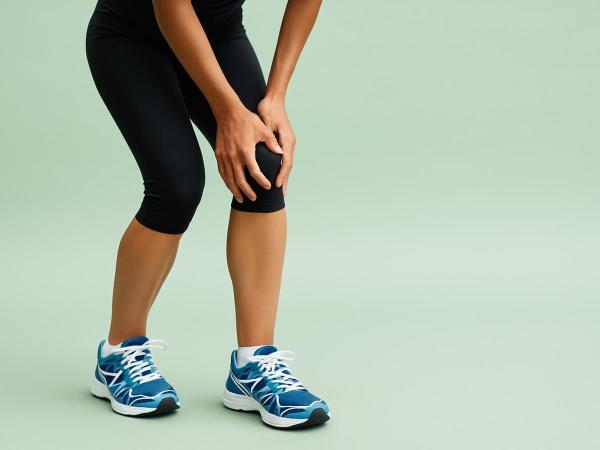


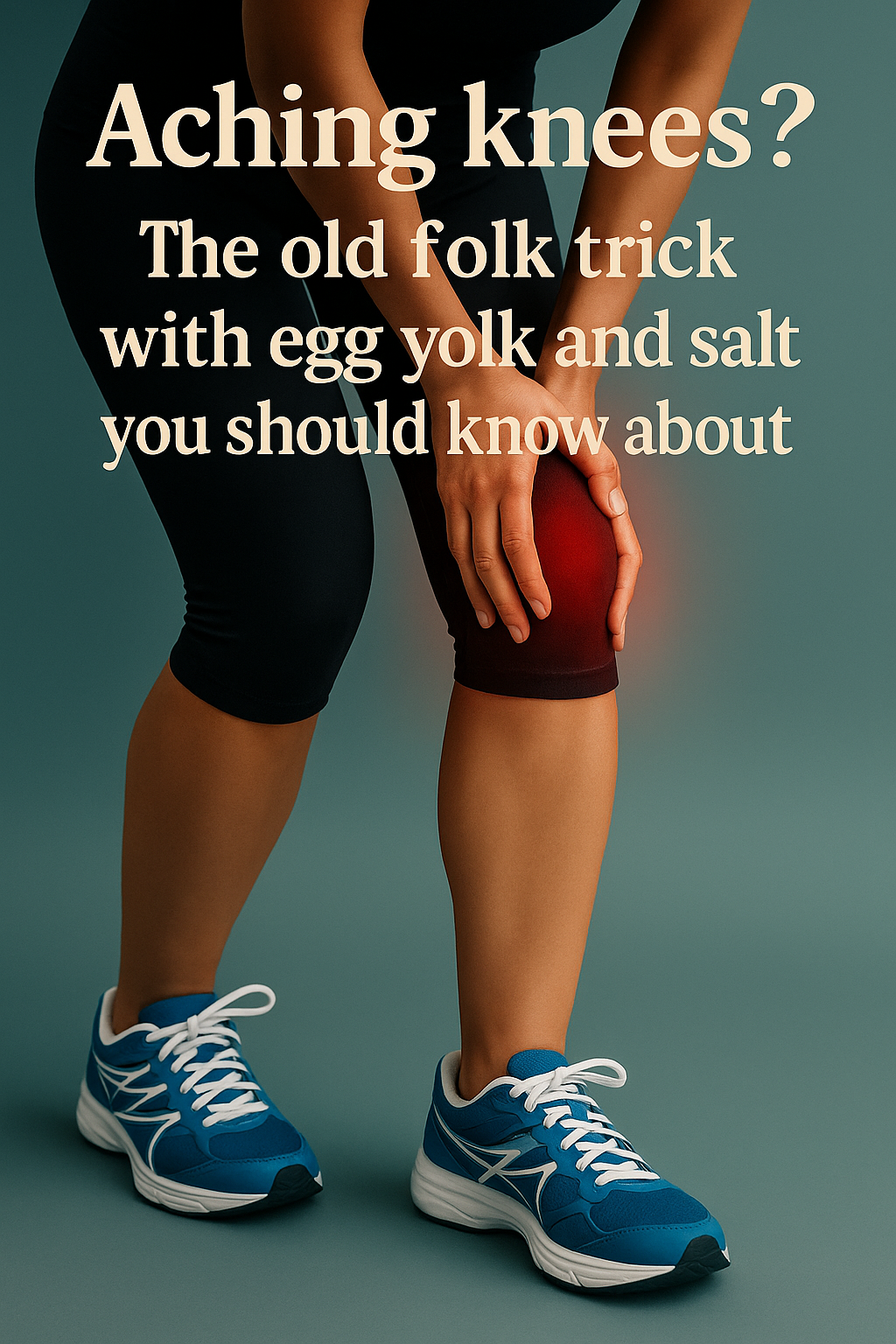

Aching Knees? The Old Folk Trick with Egg Yolk and Salt You Should Know About
expert, nutritionist
Here is a number worth remembering the next time you climb the stairs: researchers at Wake Forest University found that for every pound (about half a kilo) of body weight a person loses, the load on the knee drops by roughly four pounds with every single step. Over a mile of walking, that small change adds up to thousands of pounds less pressure on each knee. The findings were published in the journal Arthritis & Rheumatism (Messier et al., 2005, PubMed). In other words, your knees quietly carry far more than you think, and they appreciate every bit of help you give them.
Even some of the most famous people in the world have learned this the hard way. Oprah Winfrey revealed that she had surgery on both knees in 2021, first in August and then in November. She described coming home after the first operation unable to even lift her heel off the bed, and promised herself that if she could walk again, she would never take movement for granted. After rehabilitation she took up hiking, gradually building up distance week by week, and she has said in interviews that she felt stronger and more alive than she had in years. Her story is a reminder that knees are not something we think about until they stop cooperating.
Knees are among the most important and hardest-working joints in our body. They are essential for walking, running, even sitting, and movement of all kinds. Knees are our key element of mobility, so they deserve special attention.
Inflammation and pain in the knees can place a heavy burden on everyday life, which is why it is important to avoid new injuries. If problems do appear, try to address them as soon as possible rather than waiting and telling yourself it will get better on its own. With knees, it is common for discomfort to become noticeable only once the problem has already progressed, so early attention matters.
The most common causes of joint pain
- Excess body weight. As the research above shows, extra weight multiplies the pressure on the knee with every step. The large IDEA trial published in JAMA found that overweight adults with knee osteoarthritis who combined dietary weight loss with exercise reported less pain and better function than those who only exercised. If you are looking for practical ideas, see our article Hello, and Fattening: Foods that Sabotage Your Diet and Diet without dieting and 2 kg less per week.
- Overdoing it. No kind of excess is good for the body. You would be surprised how little the knees actually need to stay fit and in good condition. Sudden intense training, repetitive jumping or long runs without preparation can overload the joint, while regular, moderate movement tends to keep it healthy.
- Arthritis. This can also be a consequence of the first two causes. According to the World Health Organization, osteoarthritis affects hundreds of millions of people worldwide, and the knee is the most commonly affected joint. The U.S. Centers for Disease Control and Prevention (CDC) lists physical activity and weight management among the most helpful self-care strategies. In some people joint pain has other causes, such as gout, which is linked to uric acid.
These problems are not new. They have simply become more widespread over the last century, which does not mean there were no overweight people or sedentary jobs before. That is exactly why old folk remedies for "treating" sore knees remain so interesting. This one stands out in particular because it is so simple.
The folk compress: what you need
- 1 egg yolk
- 2 tablespoons of salt
- an elastic bandage
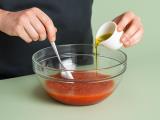
Beat the egg yolk and salt together well. Spread the mixture onto a cotton cloth and place it on the painful area. Wrap everything with an elastic bandage and try to rest completely for 2 hours.
According to folk tradition, the egg yolk, which is rich in protein and minerals, is meant to strengthen tissue, ligaments and bones. Traditionally the procedure was repeated up to 4 times a day, and people reported that the swelling felt noticeably better, certainly not worse.
A nutritionist's honest take
It is worth being clear: there are no scientific studies showing that nutrients from egg yolk pass through the skin into the knee joint. Egg yolk is genuinely nutritious when you eat it, providing protein, vitamin D, B vitamins and choline (you can check its full profile in the USDA FoodData Central database). On the skin, however, its effect is most likely limited.
So why do some people feel better after this compress? The most probable explanation lies in the other elements of the ritual: gentle compression with a bandage and two hours of complete rest. Rest, compression and elevation are part of the standard first-aid approach to minor soft-tissue strains recommended by the NHS. The folk remedy may simply have been a clever way to make people stop and rest.
If you decide to try it, keep a few precautions in mind:
- Never apply the mixture to broken, scratched or irritated skin. Salt can sting and dry out the skin.
- Skip it entirely if you have an egg allergy. The American College of Allergy, Asthma and Immunology notes that egg is one of the most common food allergens.
- Raw egg can carry bacteria, so wash your hands and the skin afterwards and discard the leftover mixture.
- Do not wrap the bandage too tightly. If you notice tingling, numbness or discoloration, loosen it immediately.
What really helps knees in the long run
Clinical guidelines, such as those from the UK's National Institute for Health and Care Excellence (NICE), put exercise and, where needed, weight management at the heart of caring for knees with osteoarthritis. Strengthening the thigh muscles helps support the joint, while low-impact activities such as walking, cycling and swimming keep it moving without excessive strain. The Arthritis Foundation also offers plenty of practical guidance on joint-friendly movement.
Diet plays a supporting role too. A varied, Mediterranean-style way of eating with vegetables, fruit, whole grains, legumes, nuts and oily fish is often recommended for overall health and may support a healthy weight. Some readers enjoy spices such as turmeric; read more in Warm Water with Turmeric Against Winter Troubles. For another traditional idea from our kitchen, take a look at 4 ingredients for joints you probably have at home and How to make potato juice?. Remember that such home recipes can complement, but not replace, professional advice.
When to see a doctor
If your condition does not improve by the next day, that is a clear sign you should talk to your doctor. Seek medical help sooner if you notice:
- significant swelling, redness or warmth around the knee,
- fever together with joint pain,
- inability to put weight on the leg or to straighten or bend the knee,
- a knee that "gives way" or locks,
- pain after a fall, twist or other injury.
Your knees carry you through life, quite literally. A little rest, sensible movement and a few kilos less can make a bigger difference than any compress, and when in doubt, a professional opinion is always the safest step.
Information on this website is for educational purposes only and is not medical advice.
expert, nutritionist
 Would you like to be informed about news on the website?












|

