





What Happens in Your Body After You Eat Roasted Garlic – Hour by Hour
expert, nutritionist
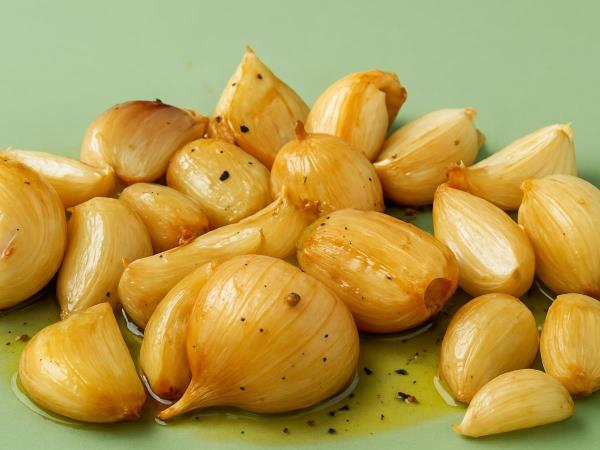
Something surprising happens when you roast garlic. The sharp, eye-watering clove turns soft, golden and almost caramel-sweet, and suddenly you can eat three, four or even more cloves in one sitting without a burning mouth or an upset stomach. Your body starts working with it within the first hour, and traces of it can still be detected in your breath a full day later.
Few people understood garlic's split personality better than the late chef and writer Anthony Bourdain. In his bestselling memoir Kitchen Confidential, he called garlic one of the most versatile ingredients in any kitchen. He also warned cooks against mistreating it: pre-peeled garlic in jars and burnt, bitter garlic were, in his view, among the worst sins a cook could commit. His point applies at home too. Handled gently, garlic becomes one of the most rewarding foods you can eat, and the way you cook it makes all the difference.
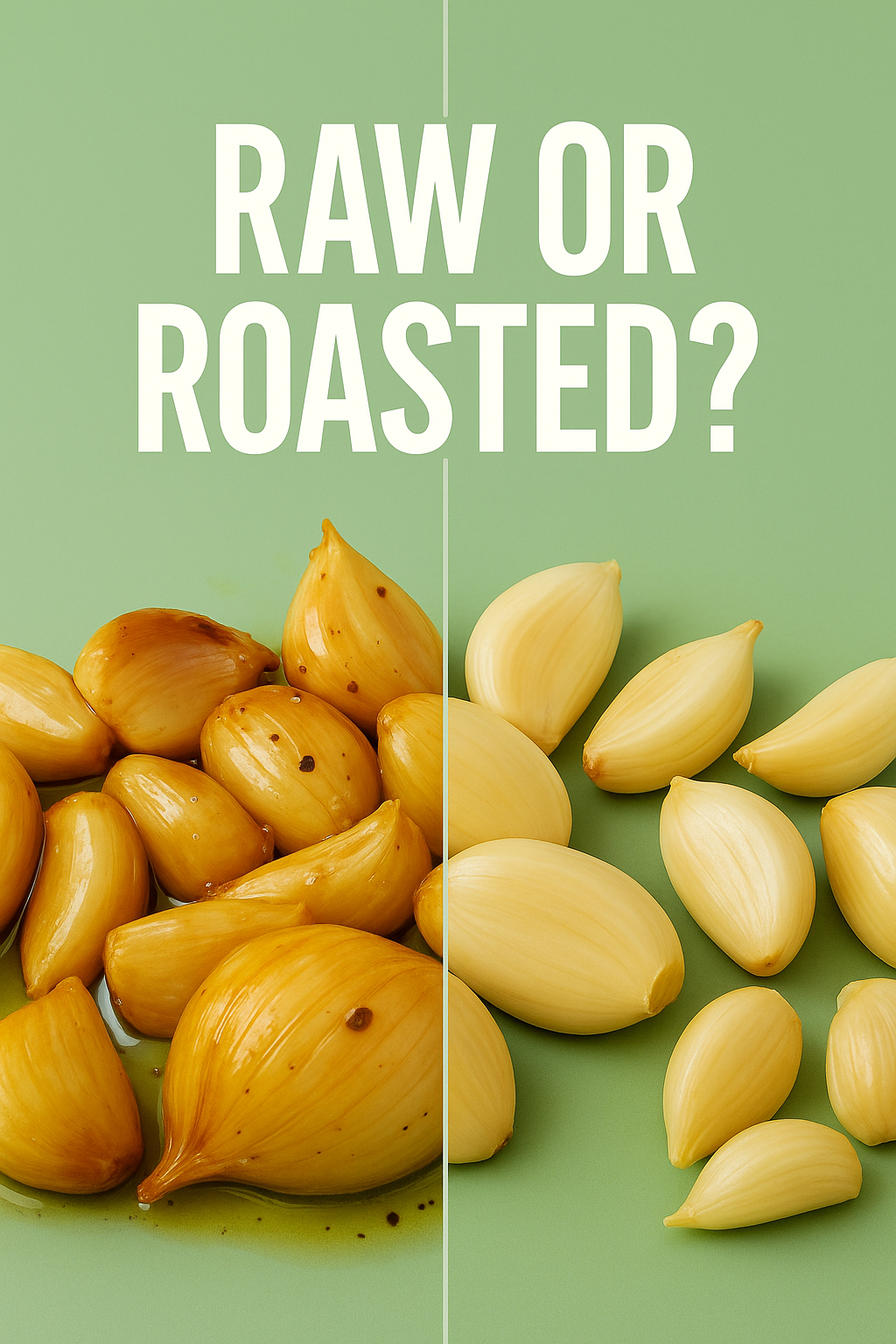
Roasted garlic can have a greater effect on the body than raw garlic for a simple reason: you can eat more of it, much more than of fresh garlic. Roasted or gently fried garlic is also much kinder to the stomach and digestion, and it loses most of its characteristic pungent smell. That alone makes this tip worth trying. Many home cooks tell us the same thing: they could never face a raw clove, but a whole head of roasted garlic spread on bread disappears in minutes.
Why Garlic Has Such a Reputation
Garlic contains more than 200 potentially active compounds. The best known is allicin, which forms only when a clove is crushed, chopped or chewed and the enzyme alliinase comes into contact with the compound alliin. Allicin is sensitive to heat, so cooked garlic contains less of it. Heating does, however, preserve or create other sulfur compounds, such as S-allyl cysteine and diallyl disulfide, which are also being studied for their possible health effects. As we explained in our article Foods We Use Incorrectly, small details in how you prepare garlic can make a noticeable difference.
According to research summarised by the U.S. National Center for Complementary and Integrative Health (NCCIH), garlic, as part of a regular diet, may be good for:
- Cholesterol: some studies suggest garlic may help support healthy total and LDL cholesterol levels, although results vary between studies.
- Blood pressure: a 2016 meta-analysis published in The Journal of Nutrition found that garlic preparations modestly lowered blood pressure in people with elevated readings.
- The immune system: garlic may support the body's natural defences. A study published in The Journal of Nutrition reported that aged garlic extract was linked with changes in immune cell activity and milder cold and flu symptoms. A Cochrane review concluded, however, that the evidence for preventing colds is still limited.
- The body's natural cleansing processes: in one clinical study of workers exposed to lead, published in Basic & Clinical Pharmacology & Toxicology, garlic was associated with lower blood lead levels. This is interesting early research, not a treatment for heavy-metal exposure.
- Bones: early, mostly animal-based research suggests garlic's sulfur compounds may play a role in bone health, but human evidence is still scarce.
- Energy and fatigue: garlic has been used against tiredness since ancient times, when it was reportedly given to labourers and athletes. Modern studies on this are small and preliminary.
- Cell protection: garlic contains antioxidants that may help protect cells from oxidative stress, one of the processes associated with ageing.
What Happens in Your Body After You Eat Roasted Garlic?
The hours below are only approximate, since everything depends on the strength and speed of your digestion. The faster your digestion, the sooner these things happen, and vice versa. The timeline describes the general journey of garlic through the body. It is not a promise of specific health effects.
Many people enjoy 2 to 4 cloves of roasted garlic at a time. If you are not used to garlic, start with one or two, and don't overdo it: large amounts can cause bloating, heartburn or stomach discomfort.
- Hour 1: In the stomach, the soft roasted cloves begin to break down. Because roasting softens the fibres and tames the pungent compounds, most people find roasted garlic much easier to tolerate than raw.
- Hours 2–4: Garlic moves into the small intestine, where its sulfur compounds and antioxidants, such as S-allyl cysteine, are absorbed into the bloodstream. Laboratory studies are exploring how these compounds interact with cells throughout the body. This research is at an early stage, and garlic should never be seen as a treatment for any disease.
- Hours 4–6: Your metabolism processes the absorbed compounds, mainly in the liver, and turns them into substances such as allyl methyl sulfide. At the same time, garlic's natural prebiotic fibres (fructans) reach the large intestine, where they feed beneficial gut bacteria. No single food "melts" belly fat. Garlic is best seen as a flavourful helper in a balanced diet that makes healthy home cooking tastier.
- Hours 6–7: Garlic's sulfur compounds circulate through the body. In the laboratory, garlic compounds, especially from raw garlic, show antibacterial activity. How much of this happens in the human body after a meal is still being researched.
- Hours 6–10: The antioxidant compounds are now fully active in the body, where they may help protect cells from oxidation.
- Hours 10–24: Traces of garlic are still present throughout the body. Research on garlic breath, published in the American Journal of Physiology, showed that allyl methyl sulfide travels through the blood and is released through the lungs and skin, and that it can still be detected many hours after a meal. That is why the garlic "signature" can last into the next day. This is also a good time to rest, drink plenty of water and let your body do its normal work. If you want to repeat the tip, wait at least 24 hours.
Tip against garlic breath: fresh parsley is a classic remedy. It is also a small nutritional powerhouse, as we described in our article A garden herb that surpasses pork steak in iron content – and you most likely already have it at home. A study in the Journal of Food Science also found that raw apple, lettuce and mint may reduce garlic odour.
Preparation: How to Roast Garlic the Right Way
The 10-minute trick: before you heat garlic, crush or slice the cloves and let them rest for about 10 minutes. Research by Song and Milner, published in The Journal of Nutrition, showed that this pause lets allicin-related compounds form before heat stops the enzyme. A later study in the Journal of Agricultural and Food Chemistry similarly found that crushing garlic before cooking helped preserve more of its activity.
In a pan: put a tablespoon of good-quality oil, such as extra virgin olive oil, in a pan. Some people slice the cloves into rounds, but this is not necessary. Heat the pan well, but keep the frying time short and take the garlic off the heat as soon as it turns light golden. Burnt, dark-brown garlic tastes bitter and loses much of its value. The pan method is faster and, with the short cooking time, may retain more nutrients.
In the oven: some people prefer the oven. Cut the top off a whole head of garlic, drizzle it with a little olive oil, wrap it in foil and roast it for about 35–40 minutes at 200 {-15696}C (390 {-15696}F), until the cloves are soft and golden. The result is creamy, sweet garlic you can spread on bread, stir into mashed potatoes or add to soups.
The choice is yours.
Important food-safety note: never store roasted garlic in oil at room temperature, because low-acid garlic in oil can support the growth of the bacteria that cause botulism. According to the National Center for Home Food Preservation, garlic in oil should be refrigerated and used within about four days, or frozen for longer storage.
Who Should Be Careful with Garlic?
- People taking blood-thinning medication or preparing for surgery. NCCIH notes that garlic may increase the risk of bleeding and may interact with some medicines.
- People with heartburn or reflux (GERD): garlic, even cooked, can make symptoms worse in some people.
- People with irritable bowel syndrome: garlic is high in fructans, a type of FODMAP. Monash University, which developed the low-FODMAP diet, suggests garlic-infused oil as a gentler alternative.
- Anyone with a garlic allergy or intolerance.
If you have high blood pressure, high cholesterol or any other health condition, garlic can be a tasty part of a healthy diet, but it does not replace medical advice or prescribed treatment. If you want to support your body with warming kitchen remedies during the colder months, you may also enjoy our article Warm Water with Turmeric Against Winter Troubles.
Information on this website is for educational purposes only and is not medical advice.
expert, nutritionist
 Would you like to be informed about news on the website?













|

