




This Iranian Spice Trick Helped Women Lose Fat Three Times Faster - Here's What the Science Actually Says
expert, nutritionist
Imagine following the exact same diet as someone else, eating the same calories, the same meals, the same portions — and still losing fat almost three times faster. That's essentially what researchers observed when they added one humble kitchen spice to the evening yogurt of a group of women in Iran.
"I was skeptical too," one of our readers told us after trying a version of this routine for a few weeks. "I already ate yogurt most evenings, so adding a teaspoon of ground cumin felt like nothing. But after about three weeks my clothes fit differently, and I felt less bloated in general. I can't say it was only the cumin — I was also watching my portions more closely — but it was an easy habit to stick to, and I haven't stopped."
What the study actually found
The routine traces back to a randomized clinical trial run by researchers affiliated with Shahid Sadoughi University of Medical Sciences in Yazd, Iran, and published in the peer-reviewed journal Complementary Therapies in Clinical Practice (Zare et al., 2014). You can read the original study summary on ScienceDirect.
Eighty-eight overweight or obese women completed the three-month trial. Every participant followed the same mildly reduced-calorie diet — roughly 500 calories less than their estimated needs — and received the same nutrition counseling. The only difference: one group added 3 grams of cumin powder (a little over half a teaspoon) to their yogurt twice a day, while the other group ate the same yogurt without it.
By the end of the study, the cumin group had lost noticeably more weight and body fat than the control group, along with a more favorable shift in cholesterol and triglyceride levels. To be clear about the scale of the effect: this was a modest, incremental boost on top of an already calorie-controlled diet — not a substitute for one, and not a guarantee of similar results for everyone. As with any single study, larger trials would help confirm how consistent this effect is across different populations.
A simple way to try it
If you want to try the version used in the study, here's roughly how it worked:
- Use plain, low-fat yogurt as your base.
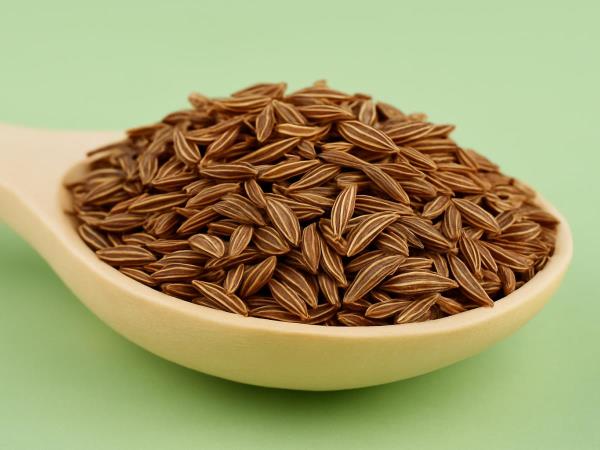
- Stir in about half a teaspoon to a teaspoon of freshly ground cumin.
- Have it as part of a meal, not as a dessert loaded with sugar or honey.
- Pair it with a generally balanced, modestly reduced-calorie diet — the spice was never tested on its own.
Freshly grinding whole cumin seeds tends to give a stronger aroma than pre-ground powder that has been sitting in a jar for months, though either will work.
Why might cumin make a difference?
Researchers aren't entirely sure, but a few possibilities have been proposed. Cumin is rich in plant compounds, including essential oils and antioxidants, that may have a mild effect on metabolism and fat oxidation. Some scientists also point to its potential influence on blood sugar regulation, which could make it easier to manage appetite. These mechanisms are still being studied, and it's worth being cautious about drawing firm conclusions from one trial.
Who should be careful
Cumin is generally recognized as safe in normal culinary amounts. That said, some people can be sensitive or allergic to it, and very high doses used as a supplement (rather than a food) haven't been as well studied for safety. If you're pregnant, breastfeeding, managing diabetes, or taking medication that affects blood sugar or blood clotting, it's a good idea to check with your doctor or a registered dietitian before making it a daily habit — especially if you plan to use concentrated cumin extracts rather than the spice itself.
The bigger picture
No single spice will undo the effects of a poor diet, and cumin is not an approved treatment for obesity or any medical condition. What this study does suggest is that small, easy-to-sustain habits — layered on top of sensible eating — can sometimes add up to a meaningful difference over a few months. A teaspoon of cumin in your evening yogurt is a low-effort, low-risk habit that's worth considering if you're already working on your diet, not a shortcut that replaces it.
For more on how everyday foods interact with weight and metabolism, see our related articles on foods that quietly sabotage your diet and how warm turmeric water may help your body through the winter.
Information on this website is for educational purposes only and is not medical advice.
expert, nutritionist
 Would you like to be informed about news on the website?














|

