


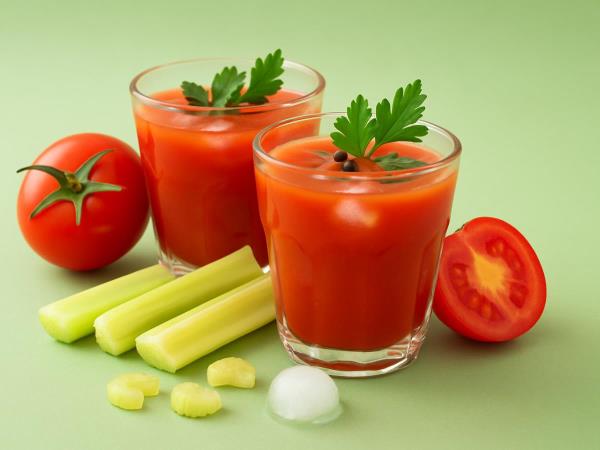




Five Ingredients, One Glass: The Autumn Ritual Nutritionists Keep Recommending for Appetite and Digestion
expert, nutritionist
Most people assume autumn is a season for comfort food, not weight management — but nutritionists say it's actually one of the trickiest times of year to keep extra pounds from creeping on. Our bodies carry an evolutionary instinct to store a little more energy as the days shorten, a leftover survival mechanism from a time when winter meant scarcity. Today, with grocery stores full year-round, that instinct mostly works against us, and the kilos gained in autumn are notoriously hard to shed again by spring.
It's not just about the scale, either. Giving the body a reason to invest its energy in immune resilience, rather than fat storage, is arguably the bigger goal this time of year — and that's exactly where a handful of humble kitchen staples can help.
The idea of a pre-meal vegetable drink is far from new territory for wellness-conscious eaters. Gwyneth Paltrow has spoken publicly about drinking celery juice as part of her routine, describing it as her go-to for feeling more energized through the day — one small example of how a simple glass of blended vegetables has found its way into mainstream wellness habits, well beyond niche health circles.
Ingredients
- 1 cup tomato juice (fresh-blended or store-bought, no added sugar)
- Juice of 1 lemon
- 1 tablespoon ground ginger (or fresh grated ginger)
- 1/2 teaspoon ground black pepper
- 2 celery stalks
Preparation
Combine all ingredients in a blender and blend until smooth, or crush them by hand with an immersion blender — the texture doesn't need to be perfectly silky. What matters more is consistency: drink a glass before each main meal, starting first thing in the morning on an empty stomach, then again before lunch and dinner. Give it at least two to three days before judging how it's working for you.
Why these five ingredients
Tomato juice is one of the richest everyday sources of lycopene, the antioxidant that gives tomatoes their color. Research reviewing tomato-based clinical trials links lycopene intake to lower markers of oxidative stress, and some studies suggest the compound is more easily absorbed from juice than from raw tomatoes, since juicing breaks down the plant's cell walls.
Lemon contributes vitamin C and a burst of acidity that many people find helps them feel more satisfied with smaller portions — one reason lemon shows up so often in pre-meal drinks across Mediterranean and Central European food traditions, including in this lemon, grapefruit and parsley recipe that's become a reader favorite for supporting digestion after heavy meals.
Ginger has a long history in traditional medicine as a digestive aid, and modern nutrition science backs at least part of that reputation: ginger is understood to help move food through the stomach a little faster, which is part of why it's a common ingredient in drinks aimed at reducing bloating, as explored in this deep dive into ginger's effects on digestion and metabolism.
Black pepper earns its place for more than flavor. Its active compound, piperine, is associated with improved absorption of several nutrients and may help stimulate digestive enzyme activity, which is one reason it's often paired with other functional ingredients rather than used on its own.
Celery rounds out the glass with hydration, fiber and very few calories, and has become something of a wellness-world staple in its own right — the same reputation that's made celery-based blends like this one a recurring favorite among readers looking for a gentler alternative to supplements.
What to realistically expect
It's worth being honest about the limits here: no single drink is a substitute for a balanced diet, regular movement, or medical advice, and dramatic overnight results shouldn't be the expectation. What this combination can realistically offer is support — a gentle nudge toward eating a bit less at each meal, steadier digestion, and a few more nutrients folded into your day. For many people, the biggest benefit is simply the ritual itself: a consistent, mindful pause before eating that naturally slows things down.
As with any new addition to your diet, it's a good idea to introduce it gradually and check in with a healthcare provider first if you're pregnant, managing a health condition, or taking medication — particularly given lemon and black pepper's acidity and piperine content.
Information on this website is for educational purposes only and is not medical advice.
expert, nutritionist
 Would you like to be informed about news on the website?












|

