





Forget the Pot: The Genius Chef Trick That Turns One Tomato and a Cheese Grater Into Homemade Pasta Sauce in Minutes
expert, nutritionist
Justin Chapple is one of the most recognizable faces in American food media. As Culinary Director-at-large of Food & Wine and host of the Emmy-nominated video series Mad Genius Tips, Chapple has built a career out of finding surprising shortcuts hiding in plain sight in the kitchen — the kind of tricks that make home cooks wonder why nobody showed them sooner. He later turned that video series into a bestselling cookbook, Mad Genius Tips: Over 90 Expert Hacks and 100 Delicious Recipes, built entirely around everyday kitchen tools used in unexpected ways — including an entire chapter dedicated to nothing but the humble box grater.
One of his simplest and most-loved hacks is exactly that: grating a tomato. Chapple takes a ripe tomato, slices it in half, and runs the cut side across the large holes of an ordinary box grater. The pulp and juice fall straight into a bowl, while the skin stays behind in your hand — no peeling, no blanching, no food processor to wash afterward. It sounds almost too simple to work, but the results speak for themselves.
Why Grating Beats Chopping or Blending
This isn't just a quirky shortcut — food writers who've tested it side by side with chopping and blending say the texture really is different. As Tasting Table explains, grating separates the tomato's flesh from its tough skin in one motion, leaving a smooth, evenly textured pulp without the seeds and fibrous bits a knife tends to leave behind. Unlike a blender, which can whip air into the mixture and dull the color, grating keeps the sauce a rich, vibrant red and preserves more of the tomato's natural sweetness. It's essentially the same principle behind the Spanish tradition of pan con tomate, where grated tomato is rubbed straight onto toasted bread.
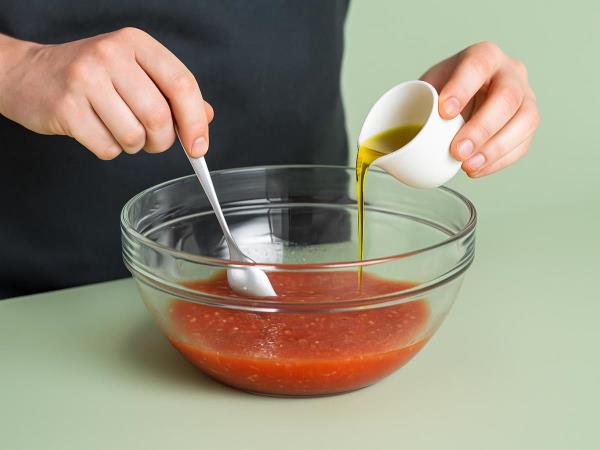
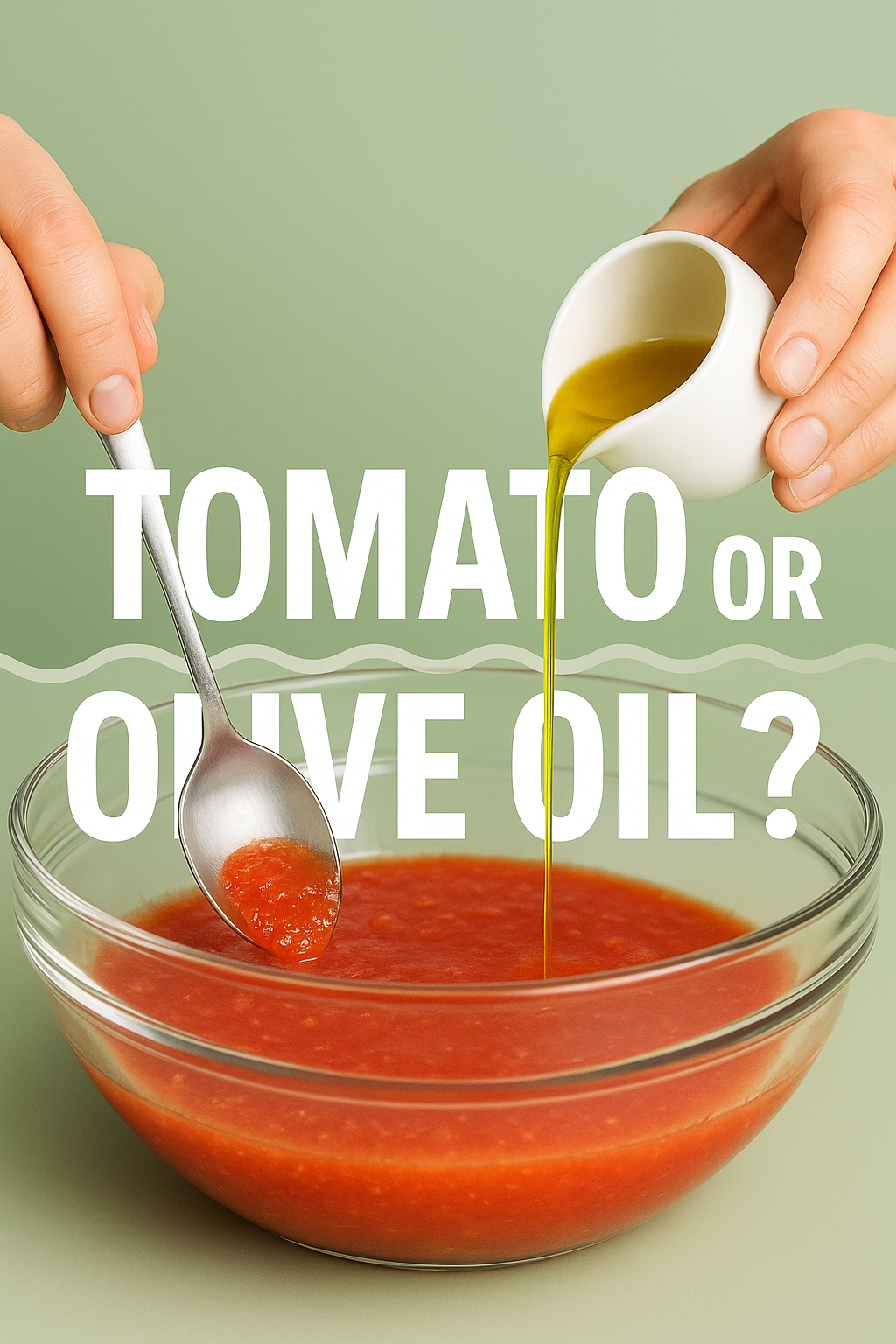
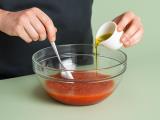
Once you've got your pulp, the "recipe" is barely a recipe at all: stir in a generous drizzle of good olive oil, a pinch of salt, a few turns of black pepper, and some torn fresh basil. That's it — a bright, fresh, no-cook sauce that's ready to toss with warm pasta in the time it takes the water to come to a boil.
A Little Nutrition Behind the Hack
Beyond the convenience, there may be a genuine nutritional upside to this pairing of raw tomato and olive oil. Tomatoes are one of the richest natural sources of lycopene, the antioxidant compound responsible for their red color, and research reviewed in the Canadian Medical Association Journal has linked lycopene intake to markers associated with cardiovascular health, alongside other areas of ongoing nutrition research. Because lycopene is fat-soluble, some studies suggest it may be better absorbed by the body when tomatoes are eaten alongside a source of fat — and a study published in Free Radical Biology and Medicine found that pairing tomato products specifically with extra-virgin olive oil was associated with a measurable rise in plasma antioxidant activity, more so than when the same tomatoes were paired with sunflower oil. In other words, that drizzle of olive oil in Chapple's grated sauce may not just be there for flavor.
Olive oil itself has its own long list of supporters in nutrition research: it's the signature fat of the Mediterranean diet, and Harvard Health Publishing notes that its high monounsaturated-fat content may help support healthier cholesterol levels when it's used in place of saturated fats. As always, no single ingredient or dish should be viewed as a cure-all — these are general dietary patterns worth keeping in mind, not medical claims about any individual food.
Pair your grated tomato sauce with a good whole-grain or legume-based pasta for extra fiber and protein, and you've turned a five-minute kitchen trick into a genuinely well-rounded, satisfying plate.
See It in Action
Curious how quick the whole process really is? Watch the grating technique in this short video:
Information on this website is for educational purposes only and is not medical advice.
expert, nutritionist
 Would you like to be informed about news on the website?









|

