






Two Superfoods, One Glass: Why Ginger and Pineapple Might Be the Smoothie Pairing You're Missing
expert, nutritionist
Picture this: you peel back a spiky pineapple, grate a knob of warm, peppery ginger, and blend the two together into something that smells like a spa and tastes like a wake-up call. It's an odd-sounding pair on paper — a tropical fruit and a fiery root — but nutritionists keep coming back to this combination for a reason. Ginger brings a dense concentration of bioactive plant compounds to the table, while pineapple contributes a unique digestive enzyme found in almost no other fruit. Together, they make for a refreshing, low-effort addition to a balanced diet.
The pairing has even caught on with celebrities chasing an easy wellness ritual. Singer Selena Gomez has publicly shared that she starts her mornings with a ginger shot, saying it helps her feel like it "kills all the bad things" in her body — and she's far from alone, with names like Anna Kendrick and Sabrina Carpenter describing similar routines. You don't need a celebrity budget to try a version of this yourself: a humble ginger-pineapple smoothie delivers a similar hit of flavor and plant compounds for the cost of a piece of fruit and a knob of root.
What Makes Ginger Worth the Hype
Ginger is best known in the kitchen as a warming spice, but it has just as long a history in traditional wellness practices, where people have valued it for its soothing and antibacterial reputation. Although the ginger root itself is roughly 80 percent water, the rest is a surprisingly complex mix — researchers have identified more than 400 distinct compounds inside it. The most studied of these is gingerol, credited with much of ginger's anti-inflammatory and antioxidant reputation, alongside related compounds like shogaol and zingerone that form as the root is dried or heated.
A systematic review of clinical trials published in the Journal of Pain Research found tentative support for ginger's role in easing discomfort in a handful of conditions, including osteoarthritis, though the authors were careful to note that more rigorous trials are still needed before any firm conclusions can be drawn. Ginger is also traditionally associated with soothing a cough and calming an unsettled stomach, which is part of why it shows up so often in teas, lozenges, and home remedies.
Pineapple's Quiet Contribution: Bromelain
Pineapple doesn't need much of an introduction as a crowd-pleasing fruit, but its real claim to fame is a group of enzymes called bromelain, found mainly in the fruit's stem and core. Bromelain has been studied for its potential role in supporting digestion, general immune function, and the body's natural inflammatory response. A 2023 review in the journal Food & Function rounded up decades of research into bromelain's pharmacological effects, describing a wide range of studied activities, though — as with ginger — the authors point out that many of the strongest results come from concentrated extracts rather than the amount naturally found in a single serving of fresh fruit. Pineapple also brings a generous dose of vitamin C to the mix, which plays a well-established role in normal immune function.
Put the two together, and you get a smoothie that's as much about flavor balance as anything else: ginger's sharp bite tempered by pineapple's sweetness, blended into something genuinely easy to enjoy.
Ginger-Pineapple Smoothie Recipe
Ingredients:
- 1 heaping tablespoon of freshly grated ginger
- 1 cup of fresh pineapple chunks
- A pinch of black pepper, to taste
Instructions:
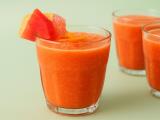
Add the ginger and pineapple to a blender and blend until smooth, letting it run a little longer than usual — the more it froths, the lighter and more pleasant the texture becomes. Ginger has a distinctly bold flavor on its own, and the natural sweetness of the pineapple helps round it out nicely.
A small pinch of black pepper at the end is a traditional finishing touch some people use to round out the flavor profile, and pepper is sometimes paired with spices like ginger in traditional preparations aimed at supporting digestion after a meal — something that may be worth trying if you tend to feel sluggish after eating. If bloating or a heavy feeling after meals is a recurring issue for you, our guide on Get Rid of Bloating and Excess Water walks through a few more practical, gentle habits that can help.
Can This Smoothie Fit Into a Weight-Management Routine?
Some people like to enjoy a version of this smoothie as a lighter alternative to a heavier evening meal every so often, pairing it with an overall pattern of mindful, balanced eating rather than using it as a strict standalone plan. It's worth being realistic here: no single drink — however nutrient-dense — produces dramatic, guaranteed results on its own, and any noticeable changes in weight are far more closely tied to your overall diet, activity level, sleep, and consistency over time than to any one ingredient. If you're curious about easing into gentler eating habits without a rigid meal plan, our piece on Diet Without Dieting and 2 kg Less Per Week covers a more gradual, sustainable approach.
As with any noticeable change to your diet, it's a good idea to check in with a doctor or registered dietitian first, especially if you have an existing health condition, take medication, or are pregnant or breastfeeding — ginger in particular is generally considered safe in food amounts, but concentrated intake isn't right for everyone.
Information on this website is for educational purposes only and is not medical advice.
expert, nutritionist
 Would you like to be informed about news on the website?













|

