




Low-Salt Sauerkraut at Home: One Pantry Ingredient Changes Everything
expert, nutritionist
Sauerkraut is one of those foods that nutritionists love in theory and then quietly hedge about in practice. It boosts the immune system, delivers meaningful amounts of vitamins C and A, folic acid, magnesium, iron, calcium, and potassium, along with healthy proteins. The biggest difference between fresh and pickled cabbage is that sauerkraut is rich in probiotic bacteria, which are good for digestion. So far, so impressive. The catch? One cup of sauerkraut provides nearly 1,000 milligrams of sodium, and persistent excessive sodium intake can elevate blood pressure, increasing the risk of serious heart-related issues. Anyone with high blood pressure should therefore be cautious when consuming it, because salt retains water in the body, which is hard to correct.
Here is the good news: you do not have to choose between the benefits and the drawbacks. A simple home method - shredded cabbage, boiled cooled water, and a pinch of dried yeast - produces a genuinely low-sodium ferment that is gentler in flavour and, according to published food-science research, potentially richer in antioxidants than its heavily salted counterpart.
Why Ordinary Sauerkraut Is So Salty
Traditional sauerkraut relies on salt to do two jobs at once: it draws moisture out of the cabbage to create the brine, and it suppresses the growth of spoilage bacteria long enough for beneficial lactic acid bacteria (LAB) to take hold. Beyond helping with preservation and safety, salt stops harmful mould, bacteria, and yeast from growing. That is why food-safety guidance from university extension services has long warned home fermenters: do not try to lower the sodium content of sauerkraut by adding less salt to the fermentation mixture - the cabbage will spoil rather than ferment.
The workaround described here sidesteps that problem by using a different starter entirely. By adding dried baker's or brewer's yeast to boiled, cooled water and using that liquid as the fermentation medium, you can create conditions friendly to beneficial microorganisms without relying on high salt concentrations. A reduced-sodium approach is a safer middle ground than going entirely salt-free, since studies show sauerkraut can still ferment properly with less salt.
What the Science Says About Low-Salt Fermentation
Reducing salt in sauerkraut is not just a home-cook trick - it is an active area of food research. A 2010 study published in the Journal of Agricultural and Food Chemistry (PMID: 20170112) specifically tested sauerkraut at 0.5% and 1.5% NaCl; the 0.5% batch produced the highest ascorbigen content and fermented successfully. Ascorbigen is a compound formed from glucosinolates during fermentation and is of interest to researchers studying anticarcinogenic plant compounds.
A related study on antioxidant activity found that low-salted sauerkraut produced with Leuconostoc mesenteroides provided highly beneficial antioxidant and anticarcinogenic compounds and low sodium content, in line with the general trend in industrialised countries of reducing salt in foods to prevent cardiovascular diseases. Separately, vitamin C content in low-sodium sauerkraut (0.5% NaCl) ranged from 156 to 256 mg per 100 g dry weight - with the highest concentration observed at the lowest salt level.
It is worth being precise about what these findings mean: most of this work is laboratory or small-scale food-chemistry research, not large clinical trials in humans. There are limited human studies concerning the health benefits of sauerkraut and its effect on human gut microbiota. What human evidence does exist is promising but modest: some studies link sauerkraut to greater gut microbial diversity and more short-chain fatty acid producers, while others find little change.
The Recipe: Low-Salt Sauerkraut with Yeast
Ingredients
- 1 kg (about 2.2 lb) white cabbage
- 1 litre (about 4 cups) water, boiled and cooled to room temperature
- 10 g (roughly 1 tablespoon) dried yeast
- A clean glass jar or ceramic crock
Method
- Shred and rinse. Slice the cabbage into thin strips and rinse well under cold running water.
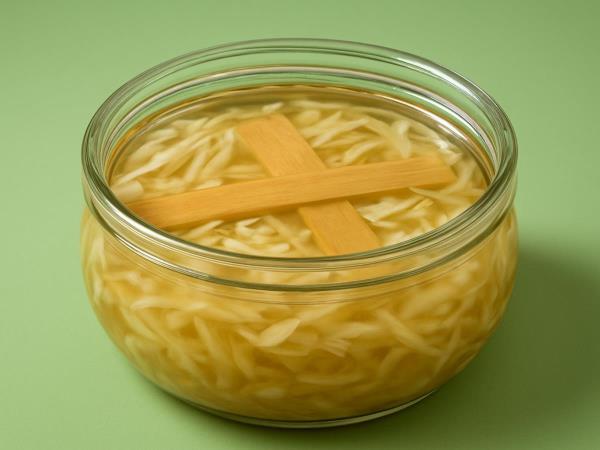
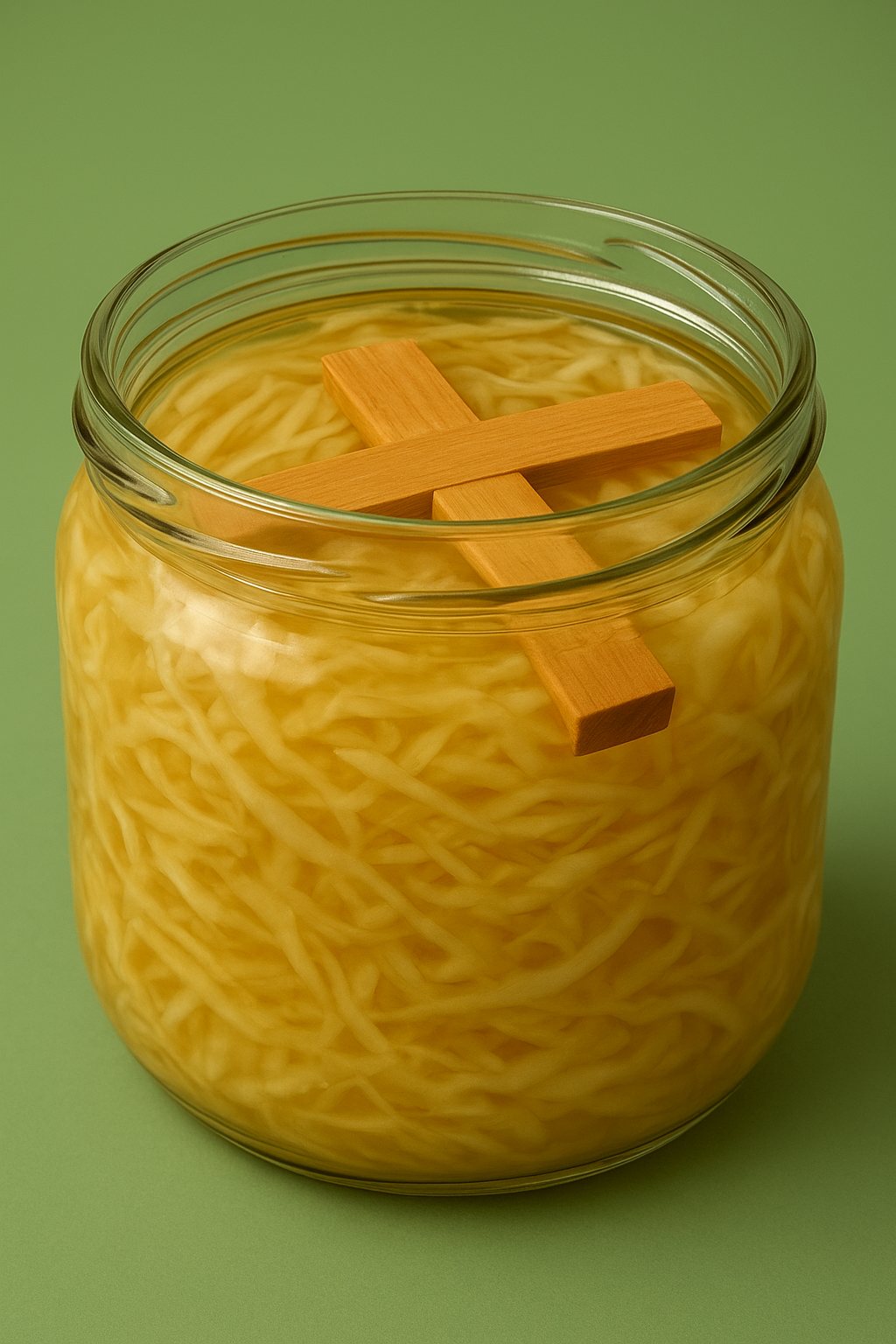
- Pack the jar. Place the shredded cabbage into a glass jar or crock and press it down lightly with a weight - a small jar filled with water works well.
- Add yeast and cover. Dissolve the dried yeast in the boiled, cooled water and pour the mixture over the cabbage until it is fully submerged. Store in a cool, dark, dry spot overnight.
- Change the water. The following day, pour off the liquid and replace it with fresh boiled, cooled water. Keep the cabbage weighed down.
- Repeat until clear. Continue draining and replacing with fresh water daily. Draining the brine significantly reduces overall sodium content; according to the USDA Nutrient Database, undrained sauerkraut can contain roughly twice as much sodium as its drained counterpart. Stop when the liquid runs clean and clear.
The finished product is noticeably milder and less sour than shop-bought sauerkraut - something many people, especially those unused to fermented foods, find far more approachable.
What You Are Actually Getting in the Bowl
Sauerkraut is made through lactic acid fermentation and has been associated with a variety of health benefits, including antioxidant, anti-inflammatory, and anticarcinogenic properties. More specifically:
- Probiotics and gut health. Probiotics, as live bacteria, promote the growth of immune cells, shape immune responses, and maintain gut barrier integrity; they also interact with the immune system, increasing immune cell activity and anti-inflammatory cytokine production. As Foodwhisper's piece on Who should not eat sauerkraut notes, the balance of healthy microorganisms is especially important during antibiotic treatment.
- Antioxidants. Sauerkraut is rich in vitamin C, which acts as an antioxidant to protect the body from damage caused by oxidative stress. It is also a source of vitamin K1, vitamin B6, and folate, which support blood clotting, metabolism, and cell health.
- Fibre. Sauerkraut is low in calories and high in fibre, which can help you feel full longer. Foodwhisper's article on Fiber is the express train to your happiness names cabbage as one of the top fibre sources in the produce aisle.
- Inflammation. A 2021 study published in the journal Cell showed that regular consumption of fermented foods significantly reduced inflammatory proteins in the blood - including interleukin-6, tumour necrosis factor (TNF), and C-reactive protein (CRP) - within six weeks. This was a mixed fermented-food intervention, not a sauerkraut-only trial, so it is not possible to attribute the effect to sauerkraut alone.
A Note on Realistic Expectations
The original Slovenian source suggests that eating home-fermented cabbage every other day can produce noticeable improvements in how you feel - and that weight loss of two to three kilograms a week is possible. The wellbeing claim is plausible in broad terms: scientists have found that the condition of your digestive system affects up to 70% of the immune response and about 30% of your overall energy during the day. A gut-friendlier diet, eaten consistently, can make a real difference to energy and mood over time.
The specific weight figure, however, deserves a reality check. Sauerkraut is low in calories and high in fibre, and the probiotics in sauerkraut may also decrease fat absorption - but losing two to three kilograms of actual body fat in a single week would require a calorie deficit far beyond what any single food can deliver. Any rapid early drop is likely to reflect water and digestive changes rather than fat loss. Treat the number as motivation rather than a guarantee.
What holds up well is the gentler, more nuanced claim: kimchi and sauerkraut are cabbages preserved by lactic acid bacteria, and eating them regularly appears to nudge the gut microbiome toward greater diversity; a small randomised trial found that a diet rich in fermented foods raised microbial diversity and lowered several inflammatory markers over ten weeks.
Who Should Be Careful
Individuals with high blood pressure or histamine sensitivities, those prescribed MAOIs, or those who are immunocompromised should consider avoiding sauerkraut due to its high sodium and histamine content, possible food safety risks, and potential interaction with MAOIs. This low-salt method reduces but does not eliminate those concerns - if any of these apply to you, check with your doctor or a registered dietitian before adding fermented cabbage to your regular diet.
For everyone else, a small serving every day or two is a simple, inexpensive way to add live cultures, fibre, and a useful range of vitamins to your meals. See also Foodwhisper's Vitamin U: The Secret Hiding in a Cabbage Leaf That Never Made It Onto Any Vitamin Chart for more on what cabbage quietly delivers beyond the nutrients on the label, and 10 Foods That Help Your Body Reset This Fall: From Broccoli to Garlic, Nature's Everyday Allies for the broader seasonal context.
Information on this website is for educational purposes only and is not medical advice.
expert, nutritionist
 Would you like to be informed about news on the website?















|

