


10 Foods That Help Your Body Reset This Fall: From Broccoli to Garlic, Nature's Everyday Allies
expert, nutritionist
Autumn is when kitchens fill up with root vegetables, cabbages, and citrus again — and, right on cue, "detox" becomes the word of the season. Before you reach for a juice cleanse, it's worth knowing that your liver, kidneys, and digestive system are detoxifying organs every single day, with or without a special program. What you eat can help — or get in the way of — how well they do that job. Many readers have told us that simply swapping a few processed snacks for the foods below, especially as the weather turns, is the part of a seasonal reset that actually sticks.
None of the foods on this list are a cure or a treatment for any condition, and none of them "detox" your body in the way that word is often marketed. What they do is supply fiber, antioxidants, and specific plant compounds that support digestion, liver function, and overall wellbeing as part of a balanced diet. Here's the list, food by food, with the research behind it.
1. Avocado
Avocado is rich in plant protein and unsaturated fat, which is why it's associated with cardiovascular health and is often mentioned alongside liver-supporting diets. This isn't just folk wisdom: a large, long-running Harvard study following more than 110,000 people found that people who ate about one avocado a week had a noticeably lower risk of cardiovascular disease than those who rarely ate it, especially when avocado replaced foods like butter or processed meat. Half an avocado also covers a meaningful share of your daily folate, potassium, and magnesium.
2. Cranberries
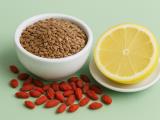
Cranberries are well known for their antioxidant content, and antioxidants in general help protect cells from the everyday wear and tear caused by free radicals. Cranberries have long had a reputation for supporting urinary tract health, but it's worth being honest about the evidence here: a Cochrane systematic review of 24 clinical trials found the effect on preventing urinary tract infections is modest at best and inconsistent across studies, so cranberries are better thought of as a tasty, fiber- and antioxidant-rich fruit than a proven remedy.
3. Cabbage
Cabbage belongs to the cruciferous vegetable family, along with broccoli and Brussels sprouts, and shares many of their sulfur-containing plant compounds. It's also a good source of vitamin C, fiber, and minerals that support a healthy gut environment. Fermented cabbage (sauerkraut) goes a step further by adding beneficial bacteria from the fermentation process, which is one reason fermented vegetables come up so often in discussions of digestive health.
4. Lemon
A glass of water with fresh lemon juice in the morning is a genuinely pleasant habit, and lemons are a good source of vitamin C and plant compounds called flavonoids. What lemon water won't do is "flush toxins" out of your body in any measurable way — your liver and kidneys handle that regardless. What it can do is help you start the day hydrated, which supports digestion and how you feel overall. If you use organic, unwaxed lemons, the zest also carries useful nutrients and is worth adding to cooking.
5. Broccoli
Broccoli, ideally eaten lightly cooked or even raw to preserve its enzymes, is one of the most studied vegetables in nutrition science. It's genuinely rich in vitamin C — more, gram for gram, than an orange — and contains an enzyme package that supports healthy digestion. Its standout compound is sulforaphane, and a 2021 scientific review in the journal Cancers describes encouraging laboratory and early clinical research into sulforaphane's role in cancer prevention. It's important to be precise here: this is early-stage and preclinical research, not a guarantee that eating broccoli prevents cancer — but it is a solid reason to keep it on your plate regularly.
6. Garlic
Garlic's pungent smell is exactly why many people don't eat enough of it — which is a shame, since it's one of the more thoroughly researched foods on this list. According to the U.S. National Center for Complementary and Integrative Health, garlic supplements may modestly lower total and LDL ("bad") cholesterol, and limited evidence suggests a small blood-pressure-lowering effect in people with hypertension. The effects are consistently described as small, not dramatic, so garlic is best seen as one healthy habit among several rather than a stand-alone fix. If the smell puts you off, aged garlic extract is a milder alternative.
7. Beetroot
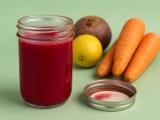
Beetroot is often eaten cooked, but its color and much of its nitrate content are best preserved when it's grated raw into a salad. Beetroot gets its deep red color from betacyanin, and it's genuinely one of the more interesting vegetables for cardiovascular research: a study funded by the British Heart Foundation and published in the journal Hypertension found that daily beetroot juice measurably lowered blood pressure in people with hypertension, an effect researchers linked to its high nitrate content. As always with a single food and blood pressure, talk to your doctor before treating it as a substitute for medication.
8. Grapefruit
Grapefruit is lower in sugar than most other citrus fruits and is often included in weight-management eating patterns, mainly because its fiber and water content help with fullness. It's worth setting expectations honestly: no food, including grapefruit, produces meaningful weight loss just by adding it to your day in normal amounts — what matters is your overall diet. Two grapefruits a day is a perfectly reasonable amount to enjoy as part of a balanced diet. One important practical note: grapefruit is known to interact with a number of common medications (including some statins and blood pressure drugs), so if you take regular medication, it's worth checking with your pharmacist or doctor before making it a daily habit.
9. Sunflower Seeds
Sunflower seeds are one of the richest everyday sources of vitamin E, an antioxidant that supports cell health, and they contain healthy fats along with magnesium and selenium. Their fiber and fat combination makes them a satisfying between-meal snack that's easy to carry with you — a small handful is a sensible portion, since they're also calorie-dense.
10. Lentils
Lentils are an excellent source of plant-based fiber and protein, and their fiber content in particular is associated with healthier cholesterol and more stable blood sugar levels as part of a balanced diet. They're inexpensive, versatile, and often overlooked in modern kitchens compared to how central they once were — which is a shame, since few foods pack as much nutrition per euro or per calorie.
The Bottom Line
None of these foods are magic, and none of them replace medical care, a varied diet, sleep, or regular movement. What they offer is real, well-supported nutritional value — fiber for digestion, antioxidants for cell protection, and specific compounds that support the organs already doing the detoxifying work in your body. Adding a few of them to your autumn shopping list is a small, low-risk habit with a solid evidence base behind it.
Information on this website is for educational purposes only and is not medical advice.
expert, nutritionist
 Would you like to be informed about news on the website?











|

