



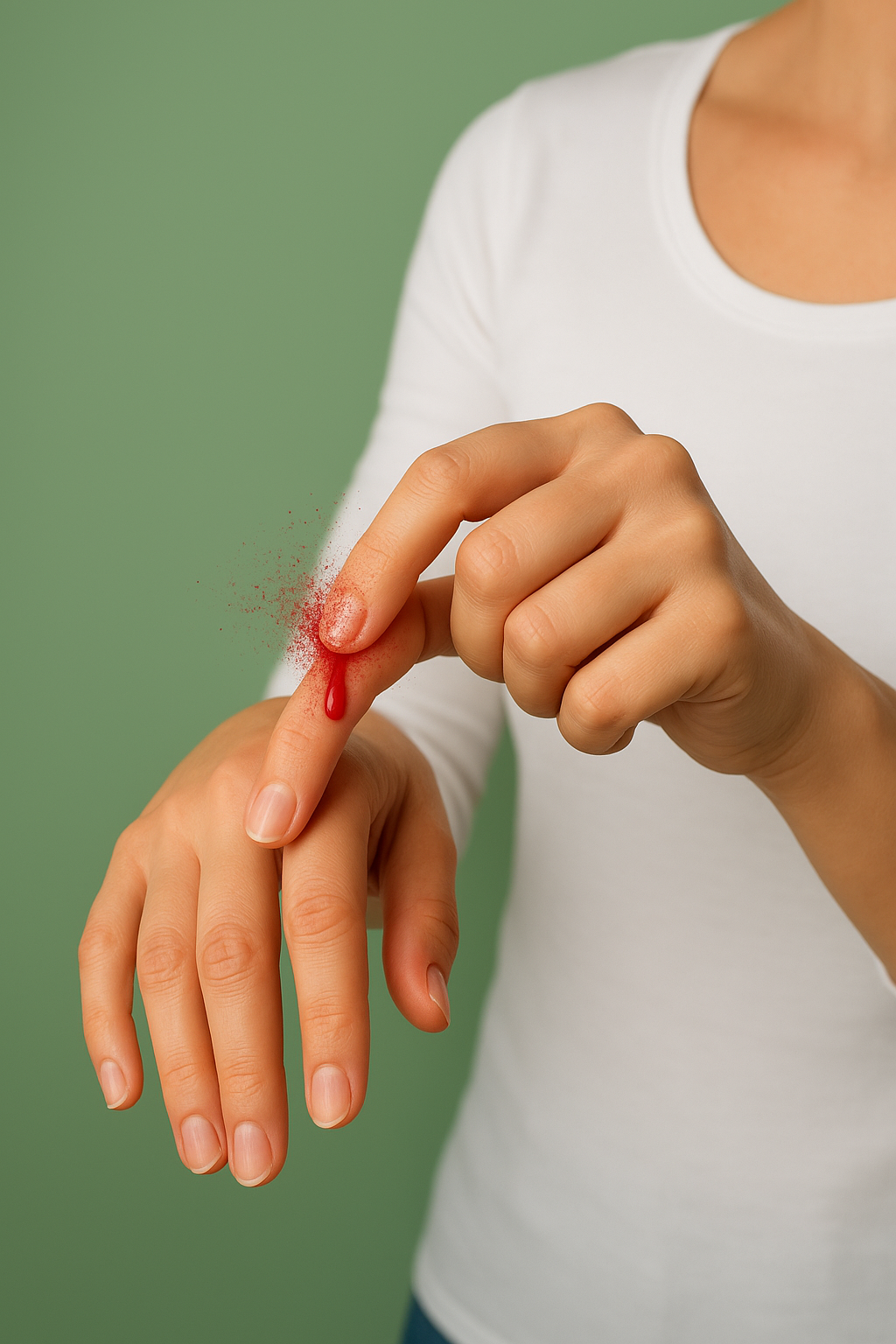


10 Body Signals You Should Never Ignore - and What They're Really Telling You
expert, nutritionist
Your gums suddenly bleed when you brush. Your legs cramp at 3 a.m. You find yourself standing in front of the fridge desperately wanting something sour - and you have no idea why. These aren't random annoyances; they are the body's shorthand for "something is missing." Here are ten of the most common signals, what the science says, and what you can actually do about each one.
1. Trouble sleeping, irritability, and leg cramps
When all three show up together, the most likely culprits are low magnesium and low potassium. Signs of magnesium deficiency are non-specific but can include low potassium and calcium levels, neuromuscular irritability, muscle cramps and spasms, as well as mental disturbances such as depression, confusion, and agitation. On the sleep side, magnesium deficiency can cause muscle cramps that lead to poor sleep, and magnesium can increase melatonin levels, aiding in the maintenance of a normal biological clock.
A word of caution: magnesium may help with leg cramps and sleep primarily when a true deficiency exists; in the general adult population, clinical trials reveal only modest sleep benefits. If you suspect a deficiency, the most reliable step is a blood test rather than self-supplementing. That said, eating more magnesium- and potassium-rich foods is rarely a bad idea: flaxseeds, sunflower seeds, almonds, spinach, chard, beetroot, apricots, and prunes are all excellent everyday sources. See also our Foodwhisper article What your food for more on reading food cravings as nutritional clues.
2. Craving salty food
A persistent urge for salt can sometimes reflect underlying inflammation or infection. The connection is not fully understood and salty cravings can have many causes - including simple habit or dehydration - but nutritionally, adding foods with natural antibacterial properties is a sensible response. Parsley, lacto-fermented pickles, and unsweetened cranberry juice are traditional go-to options. Meanwhile, chocolate, caffeine, and citrus can irritate an already-inflamed system for some people, so they are worth moderating if you notice a pattern.
3. Dry skin all over the body
Persistent dry skin often points to low vitamin E - a fat-soluble antioxidant that plays a key role in skin-barrier function. Vitamin E and copper contribute to skin elasticity and healthy hair growth. Nuts and seeds are a great source of vitamin E, which can help the skin retain its natural moisture levels and stay soft and hydrated; flaxseeds and walnuts are also rich in skin-saving omega-3 fatty acids. Good food sources include plant oils (especially sunflower and wheat-germ oil), oily fish, and a small daily handful of mixed nuts. Sunflower seeds are a potent source: one 30 g handful contains over 35% of the recommended daily amount of vitamin E.
4. Craving sweet food
An intense urge for sugar is often a sign that the nervous system is running low on readily available glucose - a situation typically triggered by sustained mental or physical effort, poor sleep, or skipping meals. The original article's suggestion of combining a small amount of raw honey with a square or two of dark chocolate is worth considering: honey provides fast-releasing glucose while dark chocolate adds magnesium, which is important for healthy nerves, muscles, and bones, and plays a role in energy metabolism. This combination is gentler on the digestive tract than sugary processed snacks. For a deeper look at how the body misreads hunger and energy signals, see Why Are You Never Full Some Days? 7 Hidden Signals Your Body Might Be Sending You.
5. Bleeding gums
This is one of the best-studied signals on the list. Research from the University of Washington School of Dentistry suggests that bleeding gums may be indicative of vitamin C deficiency, and the study demonstrated that bleeding of the gums is associated with low vitamin C levels in the bloodstream. A large review published in Nutrition Reviews found that researchers examining 15 published studies involving 1,140 healthy people found that low vitamin C levels in the bloodstream were associated with an increased risk of gum bleeding, and that increasing vitamin C intake may help resolve the problem.
Importantly, this research sheds light on a potential cause of gum bleeding related to vitamin C levels that are only slightly low - not enough to cause full scurvy. Bleeding gums can also signal gum disease unrelated to diet, so a dentist visit is always wise. To boost vitamin C, eat more citrus, kiwi, capsicum, and garlic. The recommended daily intake for adult men is 90 mg, easily reached through two or three pieces of fresh fruit a day. For related reading, see Natural remedies for anemia.
6. Dry, rough skin on the elbows
Elbows are one of the first places vitamin A and vitamin C shortfalls show up on the skin. Vitamin A deficiency is associated with dry, rough skin (xeroderma), brittle hair, and keratotic follicular papules, most commonly on the outer surface of the thighs and arms. Vitamin C deficiency, as noted above, can compound this by impairing collagen synthesis. The best food fixes are orange-coloured vegetables and fruit - carrots, pumpkin, sweet potato, apricots, and oranges - which are rich in beta-carotene, the plant precursor to vitamin A. For more on how vitamin A plays a broader role in body weight and metabolism, see Why Some People Eat Freely and Stay Slim - the Overlooked Vitamin That May Be Part of the Answer.
7. Sudden craving for seafood
Seafood cravings can indicate a deficiency in protein, omega-3 fatty acids, or iodine. Iodine is particularly worth attention: iodine is necessary for the functioning of hormones and a variety of processes including metabolism, and some of the most noticeable symptoms of iodine deficiency are drowsiness, weakness, constant feeling of cold, bad mood, and depression. A clinical trial published in PMC confirmed that seawater fish and seafood are the food items where iodine occurs at the highest concentrations. If a seafood craving comes with unexplained weight changes, temperature sensitivity, or hair loss, it might point to iodine insufficiency worth discussing with a doctor. See our dedicated article Can't you lose weight? Maybe you lack iodine? for a full overview.
8. Craving sour foods
A strong pull toward lemons, vinegar, or sour pickles is traditionally linked to the liver and gallbladder needing support. Sour foods indicate a liver or gallbladder imbalance; when we experience high stress or high blood pressure, this can indicate a liver imbalance, and lemons and limes can be beneficial for supporting the liver and gallbladder and the detoxification process. Adding fresh lemon juice and cranberry to your daily routine may also give the immune system a gentle boost through their antioxidant vitamin C content. This signal is worth paying attention to if it persists, as chronic liver stress has many possible causes.
9. Brittle hair and nails
The combination of brittle hair and nails most often reflects shortfalls in B vitamins and calcium. Biotin (vitamin B7) deficiency, though somewhat rare, is associated with brittle, thinning, or splitting hair and nails as some of the most noticeable symptoms. Whole grains such as brown rice and oats are rich in essential B vitamins including biotin, which can help alleviate hair loss and brittle hair. For calcium, milk, yoghurt, and cheese remain the most bioavailable sources; wheat germ and potatoes contribute modest amounts while adding useful fibre and other B vitamins. For more context on how iron and zinc deficiencies overlap with hair and nail problems, see Enrich your menu with iron.
10. A strong pull toward raw food
When you suddenly find yourself reaching for raw vegetables or fruit and finding the idea of cooked food actively unappealing, it may be the digestive system asking for a break. This pattern is sometimes associated with gastritis or liver stress: raw plant foods are easier to digest when the stomach is irritated, and their enzymes and fibre have a soothing, anti-spasmodic effect on the gut. If the craving is persistent and accompanied by stomach pain, bloating, or discomfort after eating, it is worth having a doctor rule out gastritis or other digestive conditions rather than relying on dietary adjustments alone.
The bigger picture
Your body rarely shouts - it whispers. The signals above are most useful as prompts to pay closer attention to your overall diet rather than as self-diagnoses. Food cravings often communicate some deficiency our bodies are experiencing, but many of the same symptoms can have multiple causes. When a signal persists or worsens, the most reliable next step is always a conversation with your doctor and a simple blood panel - not just a change in what is on your plate.
Information on this website is for educational purposes only and is not medical advice.
expert, nutritionist
 Would you like to be informed about news on the website?












|

