






Vitamin U: The Secret Hiding in a Cabbage Leaf That Never Made It Onto Any Vitamin Chart
expert, nutritionist
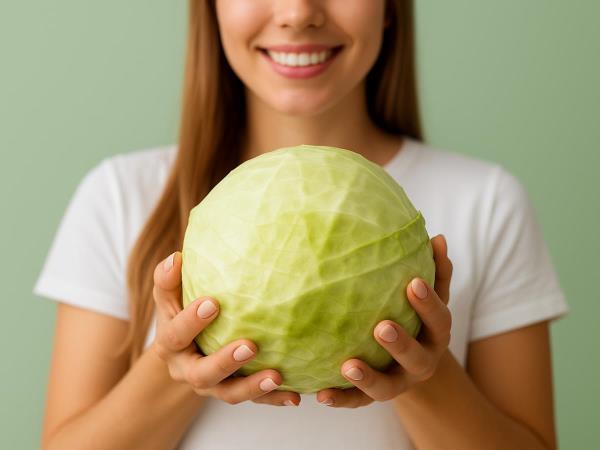
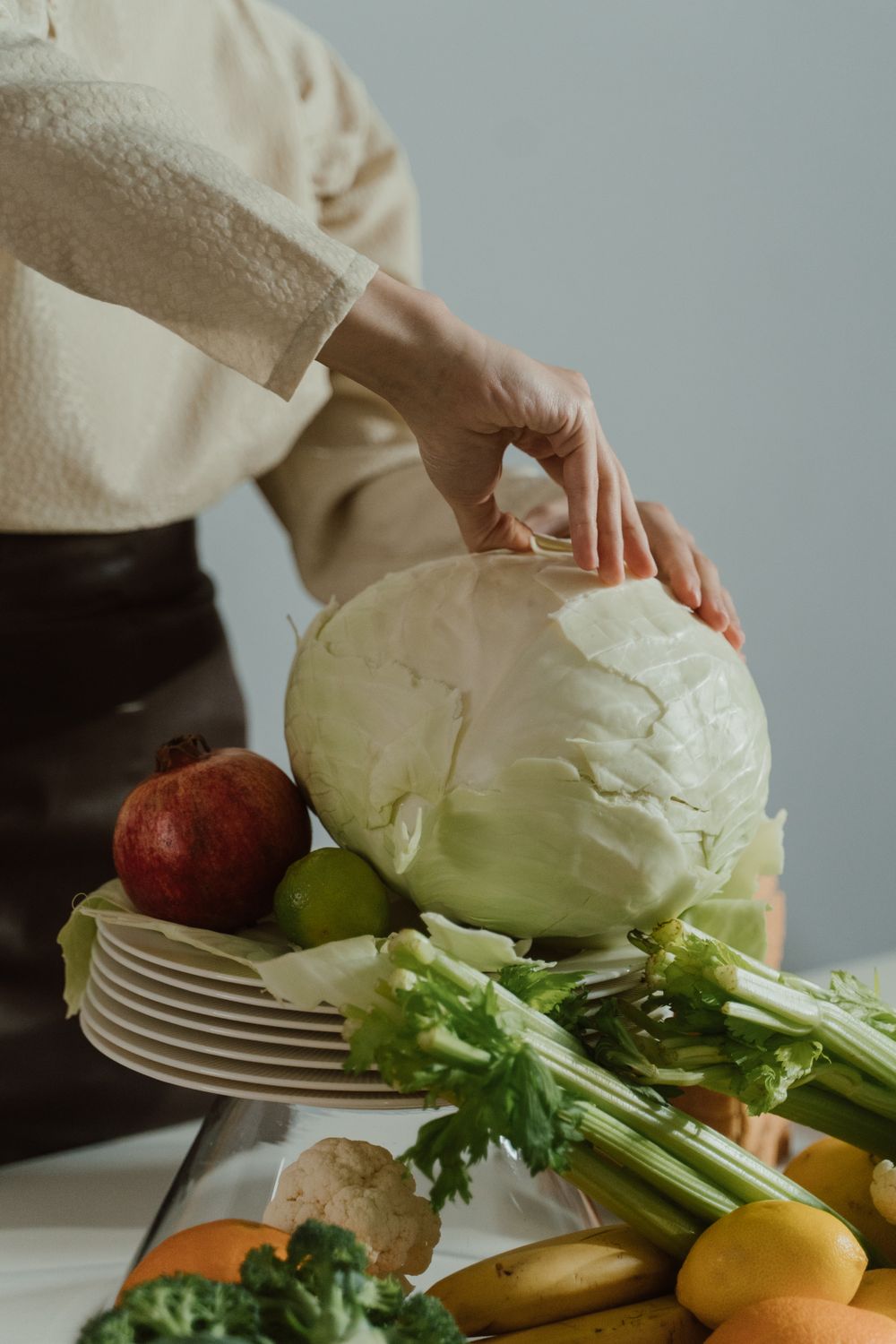
In 1949, a Stanford University doctor gave a group of patients with painful stomach ulcers something almost embarrassingly simple: fresh cabbage juice, a liter a day. What happened next was striking enough that researchers kept studying it for the next decade. Patients in that early trial, and in a larger follow-up study of 100 people a few years later, saw their ulcers heal noticeably faster than expected with the diet and drug therapies of the era (Cheney, California Medicine, 1952). A later double-blind trial at San Quentin Prison, comparing real cabbage juice concentrate against a placebo, reported similar results (Cheney, Waxler & Miller, California Medicine, 1956). The compound behind it was eventually nicknamed "vitamin U" — U for ulcer.
So what exactly is vitamin U?
Despite the name, vitamin U isn't an officially recognized vitamin at all — it doesn't appear on any nutrition label, and there's no daily recommended intake for it, the way there is for vitamin C or D. Chemically, it's a compound called S-methylmethionine, a naturally occurring derivative of the amino acid methionine (one of the building blocks of protein). In other words, it's less a "vitamin" and more a plant-made molecule that cabbage happens to be unusually rich in.
The name stuck because early researchers linked it to faster healing of the painful sores that form on the stomach lining — ulcers. Modern reviews of the compound describe it as having anti-inflammatory and antioxidant properties, alongside its historical reputation for supporting the digestive tract (S-methylmethionine biosynthesis review, 2023).
Where do we find vitamin U in nature?
If you're a fan of fresh vegetables, there's a good chance you've already had a fair amount of vitamin U without realizing it. It's most concentrated in:
- fresh cabbage, especially in juice pressed straight from the leaves,
- sauerkraut, which also brings along a helpful dose of fermentation-derived probiotics,
- kale,
- broccoli and Brussels sprouts,
- asparagus.
Smaller amounts turn up in spinach, parsley, chard, peppers, onion, avocado, and even in the crunchier parts of plants like peels, stems, and roots. Interestingly, a Korean study that measured vitamin U levels across 26 different vegetables found spinach among the richest sources, with levels varying widely depending on the plant and how it was prepared (Kim, Determination of Vitamin U in Food Plants). Across most studies, one pattern holds: the compound is far more abundant in raw, fresh produce than in anything that's been cooked, since heat breaks it down.
Why researchers keep circling back to the stomach
Gastritis and stomach ulcers remain common complaints, and while stress and diet often get the blame, doctors know today that infection with the bacterium H. pylori and long-term use of certain painkillers are usually the real underlying triggers. Conventional treatments — acid-reducing medication and, when needed, antibiotics — remain the standard of care, and vitamin U or cabbage juice are not a substitute for a doctor's diagnosis or treatment plan.
That said, the interest in vitamin U as a supportive, food-based approach hasn't gone away. A 2022 food-science study explored ways to stabilize and slow-release vitamin U extracted from cabbage specifically for its potential role in peptic ulcer care (Food and Bioprocess Technology, 2022), and researchers describe the compound as helping to strengthen the stomach's natural mucus barrier and support the repair of irritated tissue (CASI, Vitamin U: Stomach and Gut Support). If you're already exploring fiber-rich foods for a happier gut, it's worth reading how fiber acts like an express train for digestion — cabbage and vitamin U tend to travel in similar nutritional company.
An old kitchen remedy with deep roots
Long before anyone had isolated S-methylmethionine, grandmothers across Europe already swore by cabbage as a cure-all — "one head of cabbage, ten remedies," as the old saying goes. Beyond the stomach, cabbage leaves were traditionally pressed onto sore joints, used to dress wounds, and even applied as a compress for headaches. When Dr. Cheney ran his original cabbage-juice trials, some of the patients who took part described feeling real, rapid relief from pain they had lived with for months — a small but telling reminder that folk wisdom and clinical research don't always disagree.
A second job: supporting the liver
Vitamin U's reputation doesn't stop at the stomach. Your liver processes an enormous volume of blood every single day, filtering out waste and breaking down everything from food to medication and alcohol. Overload it consistently — with rich food, alcohol, or certain medications — and it will eventually show signs of strain.
Cabbage and its cruciferous relatives (broccoli, kale, cauliflower) are frequently mentioned by nutritionists for their ability to help activate the liver's own detoxifying enzymes, largely thanks to their sulfur-containing compounds (Global Healing, Foods That Cleanse the Liver). Fermented versions like sauerkraut add a probiotic bonus on top, which some research links to a lighter overall toxic load on the liver by supporting a healthier gut microbiome (Sauerkraut for Gut Health, HealthPath).
Good for the gut, kind to the skin too
Vitamin U's usefulness doesn't end with internal organs. Because of its anti-inflammatory and antioxidant properties, S-methylmethionine derivatives have drawn interest from skincare researchers, with early studies looking at their potential to help protect skin from UV-related damage (MedicineNet, Vitamin U overview). It's a similar story to the one told about other plant antioxidants: if you enjoy digging into how everyday foods double up as skin-support tools, our piece on whether olive oil on an empty stomach is a healthy habit or a myth covers some of the same antioxidant territory from a different angle.
What about a vitamin U deficiency?
Because vitamin U isn't officially classified as a vitamin, there's no established daily requirement and no recognized medical diagnosis of "vitamin U deficiency" the way there is for, say, vitamin B12. What researchers do generally agree on is more indirect: diets low in fresh vegetables — cabbage included — tend to go hand in hand with poorer digestive health overall. If your plate rarely includes raw cruciferous vegetables, it's simply one more reason, alongside fiber and general nutrient variety, to work more of them in.
How to get more vitamin U yourself
The most natural route is simply eating more fresh vegetables, with cabbage juice standing out as the most concentrated option researchers have studied. If you have a juicer, try pressing half a glass of fresh cabbage juice, perhaps with a wedge of apple to soften the flavor.
No juicer at home? Sauerkraut is a very reasonable substitute — it keeps a good share of the vitamin U while adding fermentation-derived probiotics that are excellent for gut health in their own right.
A simple, inexpensive ally for your stomach
We live in an age of expensive supplements and specialty pills, yet nature often has a far simpler answer sitting in the produce aisle. A single head of cabbage typically costs just a couple of euros and can be turned into juice for an entire week. Vitamin U is still a relatively under-researched compound compared to classic vitamins, but between decades of traditional use and a steady trickle of new studies, ordinary cabbage keeps earning its old reputation as a stomach's best friend.
It's probably no coincidence that our grandparents had cabbage on the table almost daily — in soup, in salad, stewed, or fermented. So if you're looking for one simple, old-fashioned change that might do your digestion some good, the answer may be as humble as a glass of fresh cabbage juice.
Information on this website is for educational purposes only and is not medical advice.
expert, nutritionist
 Would you like to be informed about news on the website?












|

