




Tomato as a Bowl? This Breakfast Will Wake Up Your Morning in a Way You Never Expected
expert, nutritionist
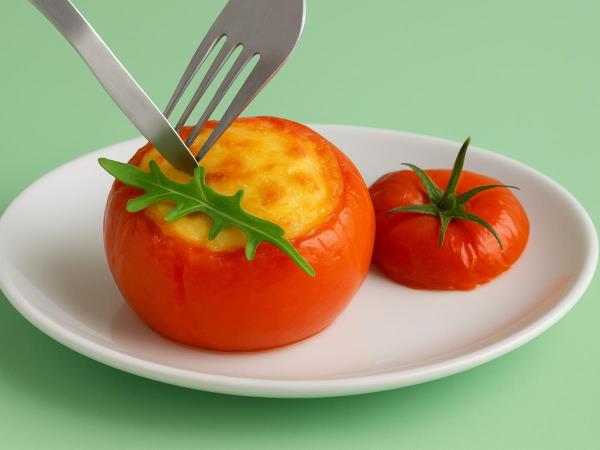
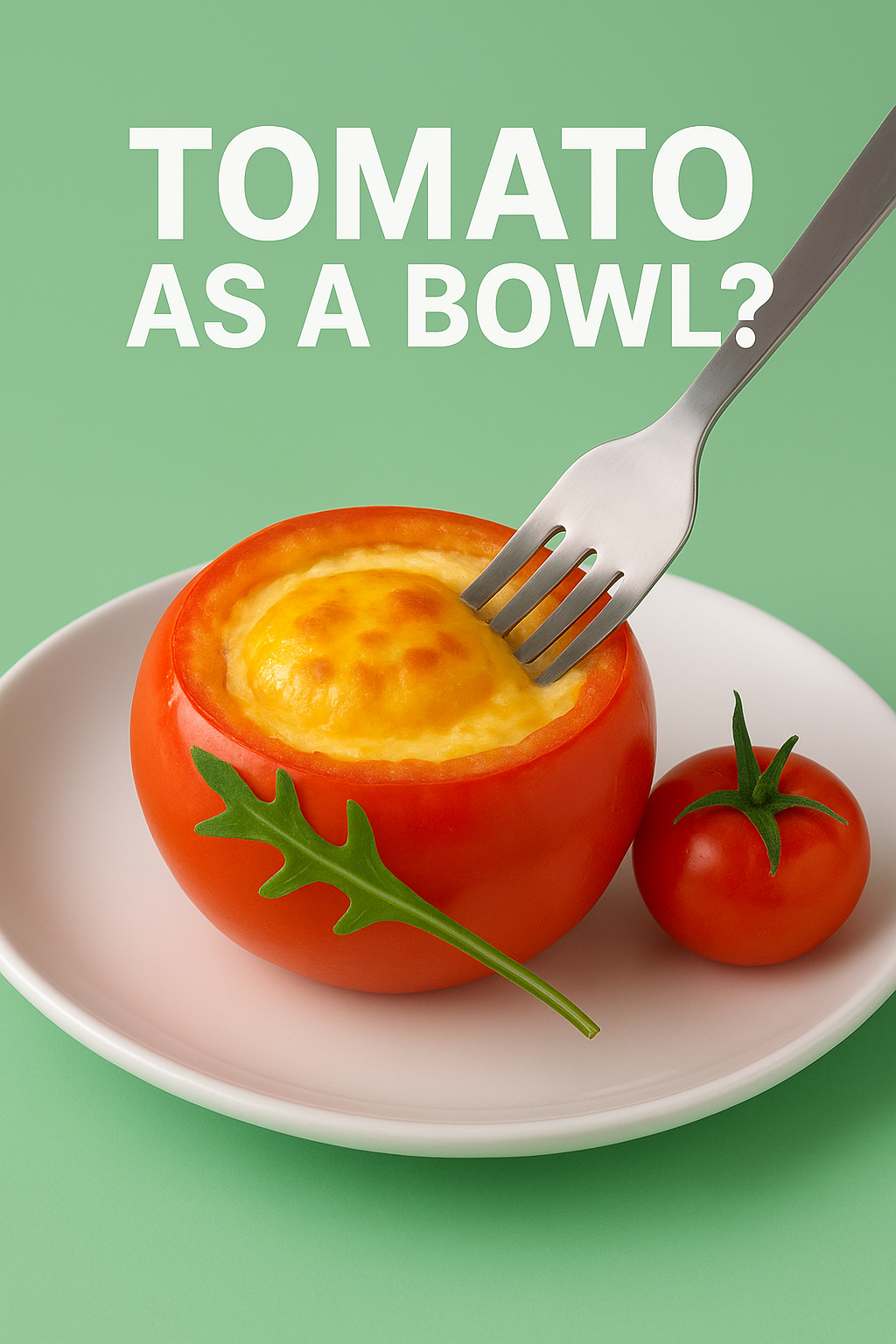
Same eggs, same pan, same plate, every single morning? Then it's time to throw out the rulebook. Picture a ripe red tomato coming out of the oven, soft and fragrant, with a fluffy, golden egg tucked inside. No frying pan, no stirring, almost no washing up. Just a small edible bowl that looks as if it came from a caf{-15447} brunch menu. Prepare it once and you'll never look at a tomato the same way again.
The idea is simpler than it looks: an egg baked in a tomato bowl with vegetables. It's a little trick that turns a plain breakfast into something you'll want to photograph before eating, and the oven does almost all the work in about 20 minutes.
Even a King Starts His Day with Baked Eggs and Tomatoes
If you think baked eggs are just a trendy food-blog invention, consider this. In May 2020, during the British Cheese Weekender, Clarence House, then the official office of the Prince of Wales, now King Charles III, shared one of his personal favourite recipes on its official Instagram account: Cheesy Baked Eggs. According to The New Zealand Herald, the dish starts with a small buttered baking dish lined with spinach, tomatoes, soft cheese and basil, with a hollow left in the middle for the egg. The recipe was shared partly to support British cheesemakers, who had been hit hard by the pandemic, as Tasting Table later reported.
Proof that a royal breakfast doesn't have to be elaborate. It just needs a good egg, a bit of vegetable and a hot oven. Our version goes one step further. The tomato isn't just an ingredient here, it's the dish itself.
Who Says Breakfast Has to Be Boring and Predictable?
Once you see that an ordinary omelette can be made in a simple, different and tasty way, you'll surely want to experiment with other vegetables too. The tomato is not the only vegetable suitable for egg bowls. You can do the same with onions, bell peppers, zucchini...
One of our readers, a busy mother of two, told us she first tried the recipe on a rainy Sunday, "just to use up the tomatoes before they went soft." Today it has become a weekend ritual in her house: the children each choose their own "bowl", one wants a tomato, the other a halved bell pepper, and they fill them with whatever chopped vegetables they like. "It's the only breakfast where they eat vegetables without me saying a word," she admits.
The Secret Is in the Preparation
The secret of this unusual omelette is all in the preparation. Cut the tomato about one centimetre below the top and scoop out the inside with a spoon. Separately, mix a little oil with pepper and salt, and brush the inner walls of the tomato bowl with this mixture.
In another bowl, beat the egg and add finely chopped vegetables if you like. Pour the egg into the tomato bowl, wrap it in aluminium foil, then bake in the oven for about 20 minutes at 200 degrees Celsius.
Breakfast is ready!
Ingredients for One Serving
- 1 large, firm, ripe tomato (beefsteak tomatoes hold their shape best)
- 1 egg (or 2 smaller ones if the tomato is very large)
- 1 teaspoon olive oil or another cooking oil
- Salt and freshly ground pepper
- Optional: finely chopped spinach, spring onion, bell pepper, zucchini, fresh basil or parsley, a little grated cheese
Step by Step
- Prepare the bowl. Slice off the top of the tomato about 1 cm down. Carefully scoop out the seeds and pulp with a teaspoon, leaving the walls intact. If the tomato wobbles, trim a very thin slice from the bottom so it stands upright, but don't cut through.
- Season the inside. Mix the oil with salt and pepper and brush the inner walls of the tomato.
- Make the filling. Beat the egg in a separate bowl and stir in your chosen vegetables.
- Fill and wrap. Pour the egg mixture into the tomato, wrap it in foil and place it on a baking tray.
- Bake. Bake at 200 {-15696}C for about 20 minutes, until the egg is fully set.
- Serve. Let it rest for a minute or two, sprinkle with fresh herbs and serve with a slice of wholegrain bread.
Tip: Don't throw away the scooped-out tomato pulp. Add it to a soup, a sauce or the next day's salad.
A Nutritionist's View: Why Eggs and Tomatoes Make a Good Team
This breakfast is more than just a pretty plate. Eggs and tomatoes complement each other in an interesting way, and the oil you brush inside the tomato plays its part too.
Tomatoes are well known for lycopene, the red pigment that belongs to the carotenoid family of plant compounds. Lycopene is fat-soluble, which means the body generally absorbs it better when it is eaten with a little fat. A small clinical trial published in the Asia Pacific Journal of Clinical Nutrition found that participants who ate diced tomatoes cooked with extra virgin olive oil showed a clearly greater rise in blood lycopene levels than those who ate tomatoes cooked without oil. The researchers also noted that processing and heating break down the tomato's cell structure, making lycopene more available.
The egg itself may also help. Researchers at Purdue University studied what happens when cooked whole eggs are eaten together with a colourful vegetable salad that included tomatoes. In their study, published in the American Journal of Clinical Nutrition, carotenoid absorption was several times higher when the salad included three eggs than when it contained none. The scientists attribute this to the fats and phospholipids in the egg yolk. The study was small and involved healthy young men, so it doesn't promise miracles, but it suggests that eggs and vegetables simply work well together.
Eggs also bring high-quality protein to the table. One large egg provides roughly 6 grams of protein and around 70 calories, and you can check detailed values for eggs and tomatoes in the USDA FoodData Central database. A breakfast that combines protein with vegetables tends to feel more filling than a sweet pastry, which is why many people find it keeps them going until lunch.
If you're looking for more ideas for a nourishing morning, have a look at Spinach and Carrot: The Simple Breakfast That Gives Your Body More Than You Think. And if you need extra fuel before a busy day, try Breakfast for more energy before a physically demanding day.
Small Details That Make a Big Difference
- Cook the egg through. For food safety, the USDA Food Safety and Inspection Service advises cooking eggs until both the white and the yolk are firm. This is especially important for children, pregnant women, older adults and anyone with a weakened immune system.
- Protect the tomato from the foil. Tomatoes are acidic, and acidic foods are generally not recommended for direct, prolonged contact with aluminium foil, as noted by the German Federal Institute for Risk Assessment (BfR). A simple fix: wrap the tomato in a piece of baking paper first, then in foil. Or skip the foil and bake the tomatoes in a small covered ovenproof dish.
- Choose firm tomatoes. Overripe tomatoes collapse in the oven. Firm, meaty varieties keep their shape and make a nicer "bowl".
- Go easy on salt. Tomatoes, herbs and a little cheese already add plenty of flavour.
Beyond Tomatoes: Other Vegetable Bowls to Try
Once you get the hang of it, the possibilities are endless:
- Bell peppers – cut in half lengthwise, remove the seeds and fill with egg. Sweet, colourful and very stable on the tray.
- Onions – a large onion, halved and hollowed out, gives the egg a mild, caramelised sweetness.
- Zucchini – halve lengthwise, scoop out the middle and turn it into a small "boat".
- Portobello mushrooms – remove the stem and you have a ready-made, earthy cup.
A breakfast like this is also a good answer to the classic morning question of what not to eat. For a deeper look, read 4 Healthy Breakfast Foods Nutritionists Quietly Avoid - Even Though Millions Eat Them Every Day, Why is it dangerous to eat these foods for breakfast and What not to eat early in the morning (or late at night).
The Takeaway
A tomato bowl filled with egg and vegetables proves that a healthy breakfast doesn't have to be boring or complicated. It takes a few minutes of preparation, about 20 minutes in the oven, and the result is a warm, colourful dish that combines protein with vegetables, which is a pairing nutrition science looks on kindly. As part of a varied, balanced diet, it's an easy way to bring more vegetables to your morning table.
Enjoy your meal!
This article is for general information only and is not a substitute for advice from a doctor or registered dietitian. If you have specific dietary needs, food allergies or health conditions, please consult a qualified professional.
Information on this website is for educational purposes only and is not medical advice.
expert, nutritionist
 Would you like to be informed about news on the website?














|

