


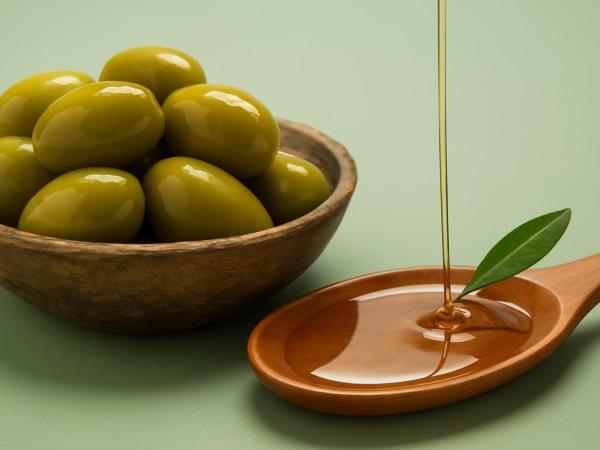


Bitter Olive Oil Is Better Olive Oil {-15454}€” Plus the Storage Mistakes That Strip Away Its Benefits
expert, nutritionist
Bitterness Means More Antioxidants {-15454}€” This Is Not Folk Wisdom
The bitterness and pungency in extra virgin olive oil come from its polyphenols {-15454}€” notably oleocanthal {-15454}€” and these same polyphenols are powerful antioxidants responsible for many of the oil's health benefits. Oleuropein, another key polyphenol, also contributes to the oil's bitter taste and is studied for its antioxidant and anti-inflammatory properties. In other words, the compounds that make a robust olive oil taste challenging are the very same ones that make it worth buying.
In a landmark study, oleocanthal {-15454}€” a major phenolic compound in extra virgin olive oil {-15454}€” was found to possess anti-inflammatory activity similar to ibuprofen, involving inhibition of cyclooxygenase (COX) enzymes. This research was conducted in a laboratory setting, so it does not automatically translate into a clinical dose you can pour on a salad, but it helps explain why high-polyphenol olive oils have attracted so much scientific attention.
Recent studies have shown that extra virgin olive oil with elevated levels of oleocanthal and oleacein, in comparison to standard olive oil, not only enhances the management of obesity and prediabetes but also contributes to an improved inflammatory and oxidative profile. These findings come from human trials, though more large-scale research is still needed before firm conclusions can be drawn. For a broader look at olive oil's potential role in everyday health, Foodwhisper has covered the topic in depth in Olive oil on an empty stomach: healthy habit or myth?
So when you are standing in the aisle choosing between two bottles, bitterness is a genuinely useful proxy. One of the easiest ways to estimate polyphenol content is through a simple taste test: polyphenols are responsible for the bitterness and pungency in olive oil, particularly in extra virgin varieties.
The "Light" Olive Oil Calorie Myth
If you have ever paid a premium for "light" olive oil thinking you were cutting calories, you have been misled by the label. "Light" olive oil carries the same 119 calories per tablespoon as every other grade; the word refers to lighter colour and flavour, not fewer calories. Refined olive oil goes through chemical or heat processing that removes most of the flavour and natural compounds {-15454}€” which means you end up with something blander and nutritionally stripped at the same time.
Extra virgin olive oil, being unrefined, retains far more polyphenols {-15454}€” 500 to 900+ mg/kg {-15454}€” compared to refined olive oil, which typically contains 100 to 300 mg/kg. So "light" olive oil is not more virtuous; it is just more processed. According to USDA data, a tablespoon of olive oil contains 119 calories and 13.5 grams of fat, almost three-quarters of it monounsaturated. That figure holds true regardless of which grade you buy.
How You Store Olive Oil Matters More Than Most People Realise
Once you have bought a good bottle, keeping it good is entirely up to you. The two biggest enemies are light and heat {-15454}€” and the science on this is unusually clear.
Keep it in the dark {-15454}€” literally
Storage under light conditions impairs the physicochemical and sensory properties of olive oil and reduces its total phenolic content significantly, with reductions ranging up to nearly 98% for some phenolic acids in certain oils stored in polyethylene containers exposed to light. These results indicate that EVOO should be stored in dark glass containers under dark conditions for the optimal preservation of its quality and phenol content.
Light exposure is the primary factor in phenolic degradation. Storing EVOO in darkness maintains health-claim compliance for up to 48 weeks, while that same health claim can be lost after just three months with light exposure. A bottle left on a bright kitchen counter or windowsill can deteriorate far faster than most people expect. The practical upshot: always keep olive oil in a dark glass or tin container, away from direct light.
Keep it away from heat sources {-15454}€” including your refrigerator's exterior
Exposure to light promotes the hydrolysis of triglycerides and accelerates the degradation of important compounds like phenols; oxidative and hydrolytic processes caused by light or heat significantly worsen EVOO quality. Polyphenols decline markedly after six months, especially at room temperature, with degradation rates influenced by initial concentrations.
This has real consequences for where you keep the bottle in your kitchen. High shelves above the stove accumulate steam and warmth from cooking {-15454}€” both harmful. The same logic applies to storing oil on top of or directly beside the refrigerator: the motor generates heat around the appliance's exterior, and that warmth accelerates the very degradation you are trying to avoid. A cool, dark cupboard {-15454}€” ideally a few degrees below room temperature {-15454}€” is the right spot.
What about the refrigerator itself? Olive oil solidifies in the cold and becomes cloudy, which makes it difficult to use and can alter texture. This is temporary and harmless, but keeping oil chilled long-term is generally unnecessary if you can find a cool, dark alternative. The goal is stable, moderate cool {-15454}€” not cold storage.
Once open, use it within a sensible window
Olive oil polyphenols begin degrading the moment a bottle is opened. A 2022 study recorded a drop of up to 18 percent in olive oil polyphenols after opening within just 30 days. After six months of opening, the meaningful polyphenol advantage over ordinary refined cooking oils starts to narrow considerably. After a year, it has largely disappeared. This does not mean the oil has gone rancid {-15454}€” it may still taste fine {-15454}€” but it will have lost much of what made it worth buying in the first place. Buy smaller bottles more often if you do not go through oil quickly, and keep track of when you opened each one.
The Practical Checklist
- Choose bitterness. A peppery, slightly bitter taste indicates higher polyphenol content. Treat it as a quality marker, not a defect.
- Ignore "light" calorie claims. Light olive oil is 884 kcal per 100g {-15454}€” identical to extra virgin. You are paying for a milder flavour and a lower polyphenol count.
- Use dark glass or tin. Light exposure is the primary driver of phenolic degradation. Clear or plastic bottles accelerate this considerably.
- Store cool, not cold. A dark cupboard several degrees below room temperature is ideal. Avoid shelves above the stove, spots near the oven or hob, and the top or sides of the refrigerator.
- Keep appliances and cables away. Even low-level heat from electrical devices nearby contributes to gradual degradation over time.
- Use within six months of opening. The health benefits are most pronounced in the first months after the bottle is opened. After that, the gap between a premium EVOO and an ordinary cooking oil narrows significantly.
Olive oil is one of the most studied fats in nutritional science, and much of that research points in the same direction: quality matters, and quality is fragile. The good news is that protecting it costs nothing beyond a little care about where you put the bottle. For more on olive oil's role in a healthy diet, see also Do olive oil and walnuts really protect the body against cancer? and Still Hungry Right After Lunch? Your Triglycerides Might Be the Hidden Reason {-15454}€” and 4 Foods That May Help.
Information on this website is for educational purposes only and is not medical advice.
expert, nutritionist
 Would you like to be informed about news on the website?












|

