




Date: 07/10/2026 - GOOD TO KNOW
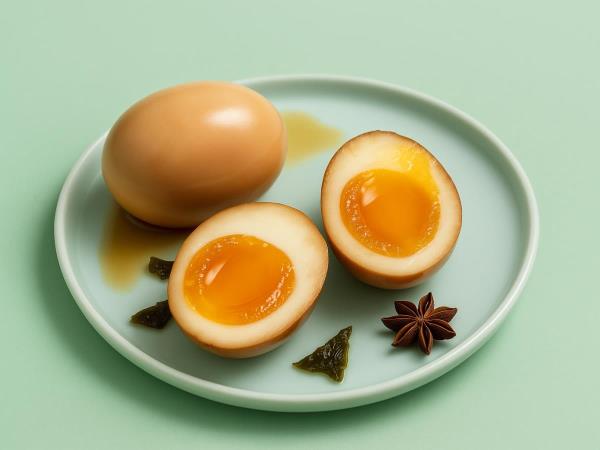
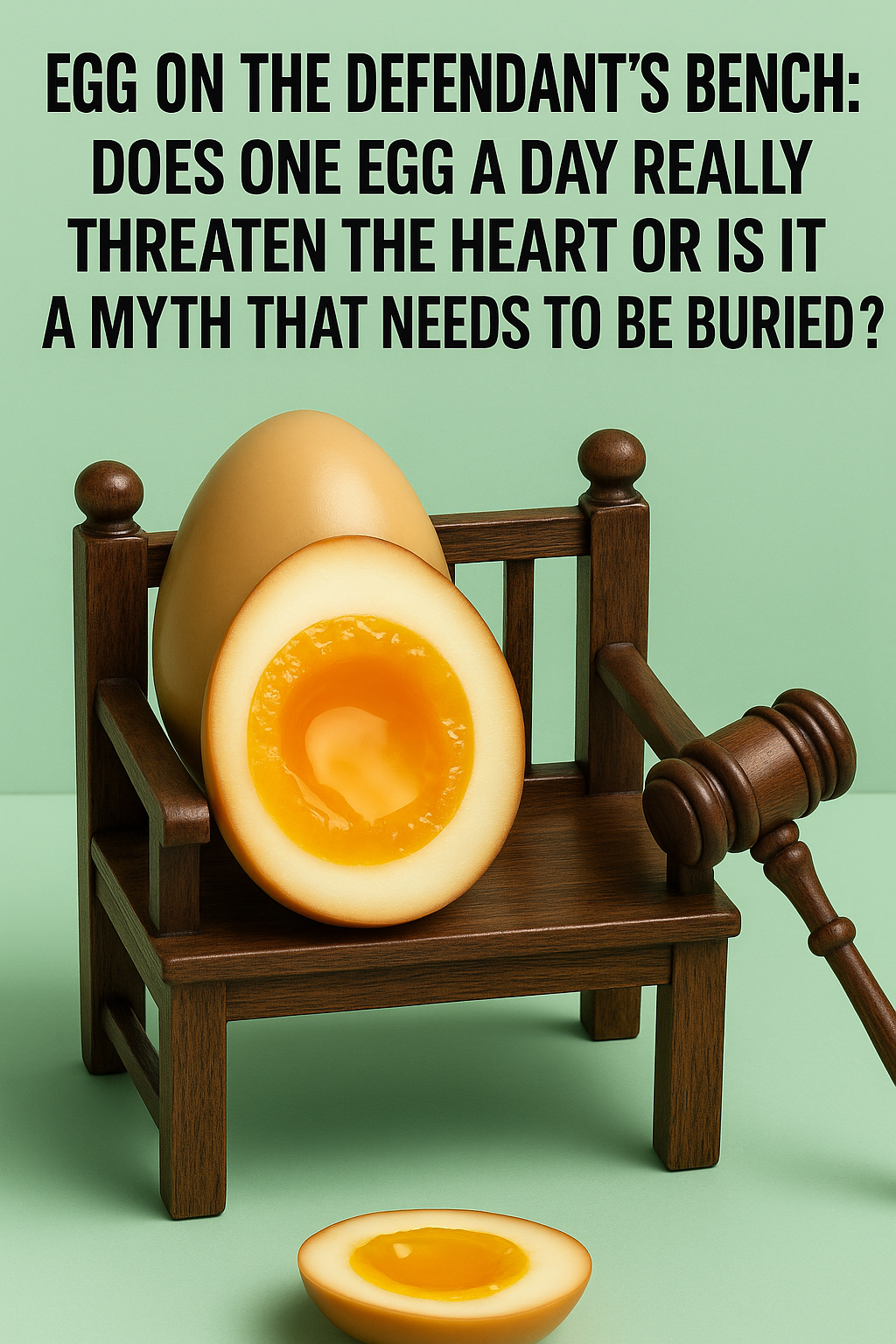
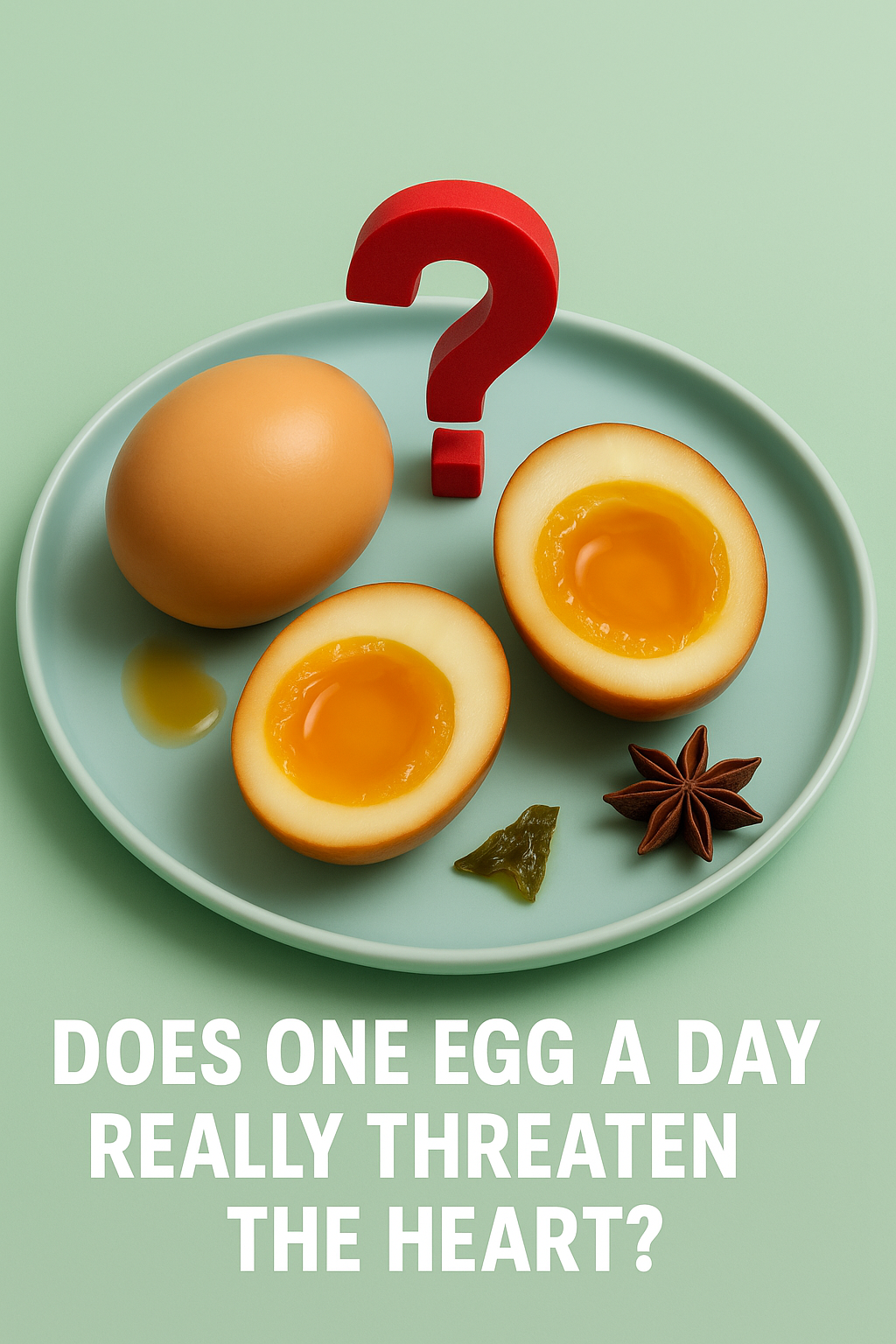
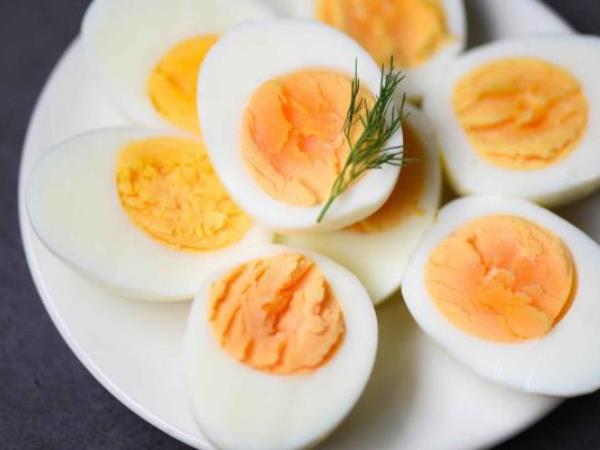
Egg on the defendant's bench: Does one egg a day really threaten the heart or is it a myth that needs to be buried?
AUTHOR:
Zvone Stor
expert, nutritionist
expert, nutritionist
A long-term Finnish study showed that neither eggs nor dietary cholesterol are linked to an increased risk of stroke – even in people with the APOE4 gene.
Cholesterol is a fat-like substance found in every cell. The body needs it to produce hormones, vitamin D, and to build cell membranes. About 80% of cholesterol is produced by the liver, and the remaining 20% comes from food. This means not all cholesterol is bad.
Now pay attention: There are two main types of cholesterol – LDL (bad) and HDL (good). LDL is the one that tends to stick to artery walls and causes blockages, while HDL helps clean this bad cholesterol from the blood.
In the past, eggs fell out of favor mainly because of the yolk, which contains about 185 mg of cholesterol, which was once thought to be too much, since the recommended daily amount was about 300 mg. Today, we know it's not that simple.
What do new studies say?
A very interesting Finnish study involved 2,497 men aged 42 to 60. They were healthy individuals with no prior heart problems or symptoms of stroke risk. This is an extremely reliable study as the follow-up was long-term and conducted on a healthy sample.
During this time, 217 participants had a stroke, and researchers also monitored their daily intake of eggs and cholesterol.
And now comes the most interesting part: in none of the participants did they detect any connection between the amount of eggs or dietary cholesterol consumed and an increased risk of stroke.
What about those with unfavorable genes?
Scientists in the study paid special attention to people with a genetic trait called APOE4. This gene (full name: apolipoprotein E e4) is carried by about 25% of Europeans. Carriers of this gene are supposed to be more sensitive to dietary cholesterol. In the Finnish study, about 1,000 participants had it, so this risk group was included as well.
Despite genetic sensitivity, even in these people the study did not show that eggs or dietary cholesterol increased the chance of stroke. This is a surprising and significant finding, as these individuals were previously considered more vulnerable.
How many eggs did the participants eat?
Participants with the highest intake ate on average one egg per day, which equals about 520 mg of dietary cholesterol daily – almost double the still valid recommendations. And guess what? The risk for stroke did not increase.
Almost a quarter of all the cholesterol these people consumed came from eggs. This means that if you are healthy and occasionally eat an egg, there is really nothing to fear.
What about studies elsewhere in the world?
Similar findings have also been confirmed by other large studies. In 2020, the journal BMJ (British Medical Journal) published an analysis of 33 studies including over 1.8 million participants, showing that moderate egg consumption (up to 1 per day) is not linked to increased risk of heart disease or stroke.
The American Heart Association (AHA) declared in 2019 that moderate egg consumption can be part of a healthy diet, particularly if combined with vegetables and whole foods.
So, if you listened to our grandmothers' advice, you'd probably eat eggs every morning. One soft-boiled egg a day for health, two for strength, three for happiness. In the past, people often started the day with a coffee and a spooned egg.
Today, science confirms that old wisdom was not so foolish after all. Of course, you need to watch what you eat along with it – if you eat an egg and then have fried bacon and a white bread loaf with margarine, you're doing your health a disservice.
When should you still be careful?
It's important to highlight that all mentioned studies included healthy individuals. If you already have diagnosed cardiovascular disease, high blood pressure, or atherosclerosis (when arteries begin to clog), doctors still recommend limiting cholesterol intake. In these cases, caution is not excessive, until more data is available.
The same applies to pregnant women, breastfeeding mothers, children, and the elderly – it’s a good idea to consult your personal doctor before drastically changing your diet.
An egg is more than just cholesterol – it's a treasure trove of nutrients
Let's not forget, an egg is not just cholesterol. It contains almost everything the body needs:
In addition, eggs contain lutein and zeaxanthin, two substances that protect the eyes from age-related macular degeneration. This means that even one egg a day can help you maintain good vision even into old age.
A conclusion that will come in handy at breakfast
If you’re healthy and are wondering if one egg a day is too much – you can rest assured: it’s not. Long-term studies, including those with people genetically predisposed to high cholesterol, show no increased risk of stroke. The egg is a perfect food – convenient, affordable, and rich in nutrients.
Pay attention to your overall diet and lifestyle: exercise, stress, sleep quality, alcohol, and smoking have a much greater impact on your health than one egg a day.
Information on this website is for educational purposes only and is not medical advice.
Now pay attention: There are two main types of cholesterol – LDL (bad) and HDL (good). LDL is the one that tends to stick to artery walls and causes blockages, while HDL helps clean this bad cholesterol from the blood.
In the past, eggs fell out of favor mainly because of the yolk, which contains about 185 mg of cholesterol, which was once thought to be too much, since the recommended daily amount was about 300 mg. Today, we know it's not that simple.
What do new studies say?
A very interesting Finnish study involved 2,497 men aged 42 to 60. They were healthy individuals with no prior heart problems or symptoms of stroke risk. This is an extremely reliable study as the follow-up was long-term and conducted on a healthy sample.
During this time, 217 participants had a stroke, and researchers also monitored their daily intake of eggs and cholesterol.
And now comes the most interesting part: in none of the participants did they detect any connection between the amount of eggs or dietary cholesterol consumed and an increased risk of stroke.
What about those with unfavorable genes?
Scientists in the study paid special attention to people with a genetic trait called APOE4. This gene (full name: apolipoprotein E e4) is carried by about 25% of Europeans. Carriers of this gene are supposed to be more sensitive to dietary cholesterol. In the Finnish study, about 1,000 participants had it, so this risk group was included as well.
Despite genetic sensitivity, even in these people the study did not show that eggs or dietary cholesterol increased the chance of stroke. This is a surprising and significant finding, as these individuals were previously considered more vulnerable.
How many eggs did the participants eat?
Participants with the highest intake ate on average one egg per day, which equals about 520 mg of dietary cholesterol daily – almost double the still valid recommendations. And guess what? The risk for stroke did not increase.
Almost a quarter of all the cholesterol these people consumed came from eggs. This means that if you are healthy and occasionally eat an egg, there is really nothing to fear.
What about studies elsewhere in the world?
Similar findings have also been confirmed by other large studies. In 2020, the journal BMJ (British Medical Journal) published an analysis of 33 studies including over 1.8 million participants, showing that moderate egg consumption (up to 1 per day) is not linked to increased risk of heart disease or stroke.
The American Heart Association (AHA) declared in 2019 that moderate egg consumption can be part of a healthy diet, particularly if combined with vegetables and whole foods.
So, if you listened to our grandmothers' advice, you'd probably eat eggs every morning. One soft-boiled egg a day for health, two for strength, three for happiness. In the past, people often started the day with a coffee and a spooned egg.
Today, science confirms that old wisdom was not so foolish after all. Of course, you need to watch what you eat along with it – if you eat an egg and then have fried bacon and a white bread loaf with margarine, you're doing your health a disservice.
When should you still be careful?
It's important to highlight that all mentioned studies included healthy individuals. If you already have diagnosed cardiovascular disease, high blood pressure, or atherosclerosis (when arteries begin to clog), doctors still recommend limiting cholesterol intake. In these cases, caution is not excessive, until more data is available.
The same applies to pregnant women, breastfeeding mothers, children, and the elderly – it’s a good idea to consult your personal doctor before drastically changing your diet.
An egg is more than just cholesterol – it's a treasure trove of nutrients
Let's not forget, an egg is not just cholesterol. It contains almost everything the body needs:
- 6 grams of protein (almost the same as a chicken drumstick),
- all essential amino acids,
- a lot of vitamin B12, selenium, choline (important for the brain) and vitamin D.
In addition, eggs contain lutein and zeaxanthin, two substances that protect the eyes from age-related macular degeneration. This means that even one egg a day can help you maintain good vision even into old age.
A conclusion that will come in handy at breakfast
If you’re healthy and are wondering if one egg a day is too much – you can rest assured: it’s not. Long-term studies, including those with people genetically predisposed to high cholesterol, show no increased risk of stroke. The egg is a perfect food – convenient, affordable, and rich in nutrients.
Pay attention to your overall diet and lifestyle: exercise, stress, sleep quality, alcohol, and smoking have a much greater impact on your health than one egg a day.
Information on this website is for educational purposes only and is not medical advice.
Author:
Zvone Stor
expert, nutritionist
expert, nutritionist
 Would you like to be informed about news on the website?
Just enter your e-mail
Egg cholesterol myth
Dietary cholesterol and stroke risk
LDL vs HDL cholesterol
Egg consumption and heart health
Egg nutrients and benefits
Latest news





Four Ingredients Every Kitchen Already Has: The Morning Drink Healthy-Living Fans Swear By
Read more >>







After 40, the Pounds Don't Just Appear – Your Body Is Sending You a Message Most Women Misread
Read more >>

The Humble Bean That Takes On Cholesterol: Why Legumes Are Not Just Peasant Food but a Friend to Your Heart
Read more >>

When a Kids' Drink Beats Sports Drinks: What Science Really Says About Chocolate Milk After Training
Read more >>

Interaktive Widgets:
|

