




Date: 07/08/2026 - GOOD TO KNOW
When salad isn’t healthy, and coffee isn’t what you think
AUTHOR:
Zvone Stor
expert, nutritionist
expert, nutritionist
Is fast food worse than food at restaurants? Is it true that darker coffee contains less caffeine? Is it true that salad with cream dressing isn’t really a salad? Check this and more ...
1. Fast food is less healthy than food in regular restaurants
This is absolutely not true. Even more so! Since fast food restaurants are often more closely monitored by inspectors, you can’t really fault them on food origin. Furthermore, restaurants that are part of global corporate food chains have high hygiene and quality standards – something that’s questionable in smaller restaurants. The quality in regular restaurants fluctuates too much to put fast food in a worse position. The problem with fast food is not the restaurants themselves, but what you eat and how you eat it.
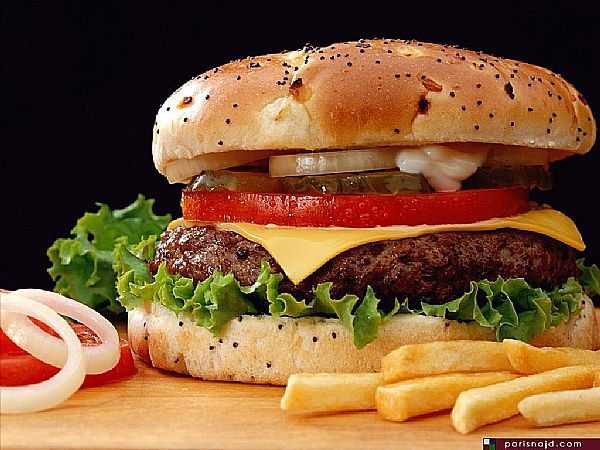
2. There’s only a third meat in hamburgers and sandwiches
This is also not true, because studies have shown there is even less meat. Many companies advertise their hamburgers as containing 35% meat, but in reality, it’s just 12%, and even this is mostly class D meat. The difference up to the advertised third is made up of soy meat mash and additives whose origin cannot be determined. Do you know the biggest irony in this story? The ideal hamburger doesn’t mean more meat, but rather, more vegetables, sauces and higher-quality buns.
3. Salads are healthy
The salad itself is, but not the dressings, vinegar, oil, and spices. Moreover, trendy salads aren’t made only from vegetables, but include pasta, pieces of meat, seafood, bread croutons, sesame seeds ... If you pour cream dressing over all of this, it’s no longer a salad, but rather an explosion of sugar, salt, fats of dubious origin and very harmful sodium. So, just because something is called a salad, doesn’t mean it’s healthy.
4. Fast food is cheap
If you believe that, then you haven’t eaten fast food in a long time. Some time ago, the American newspaper New York Times conducted an interesting experiment. A family of four spends about $7 per meal in a fast food restaurant, which means a total cost of $28 for the whole family. With half that money, you could make a full feast at home.
5. Darker coffee is stronger
The quality of coffee is measured by its color, but the lighter it is, the better and stronger it is. With every roasting, coffee gets darker, and the more often it’s roasted, the darker it gets – and the less caffeine it contains. Recently, even green coffee has become popular, so color should not be a criterion for quality.
Information on this website is for educational purposes only and is not medical advice.
This is absolutely not true. Even more so! Since fast food restaurants are often more closely monitored by inspectors, you can’t really fault them on food origin. Furthermore, restaurants that are part of global corporate food chains have high hygiene and quality standards – something that’s questionable in smaller restaurants. The quality in regular restaurants fluctuates too much to put fast food in a worse position. The problem with fast food is not the restaurants themselves, but what you eat and how you eat it.
2. There’s only a third meat in hamburgers and sandwiches
This is also not true, because studies have shown there is even less meat. Many companies advertise their hamburgers as containing 35% meat, but in reality, it’s just 12%, and even this is mostly class D meat. The difference up to the advertised third is made up of soy meat mash and additives whose origin cannot be determined. Do you know the biggest irony in this story? The ideal hamburger doesn’t mean more meat, but rather, more vegetables, sauces and higher-quality buns.
3. Salads are healthy
The salad itself is, but not the dressings, vinegar, oil, and spices. Moreover, trendy salads aren’t made only from vegetables, but include pasta, pieces of meat, seafood, bread croutons, sesame seeds ... If you pour cream dressing over all of this, it’s no longer a salad, but rather an explosion of sugar, salt, fats of dubious origin and very harmful sodium. So, just because something is called a salad, doesn’t mean it’s healthy.

4. Fast food is cheap
If you believe that, then you haven’t eaten fast food in a long time. Some time ago, the American newspaper New York Times conducted an interesting experiment. A family of four spends about $7 per meal in a fast food restaurant, which means a total cost of $28 for the whole family. With half that money, you could make a full feast at home.
5. Darker coffee is stronger
The quality of coffee is measured by its color, but the lighter it is, the better and stronger it is. With every roasting, coffee gets darker, and the more often it’s roasted, the darker it gets – and the less caffeine it contains. Recently, even green coffee has become popular, so color should not be a criterion for quality.
Information on this website is for educational purposes only and is not medical advice.
Author:
Zvone Stor
expert, nutritionist
expert, nutritionist
 Would you like to be informed about news on the website?
Just enter your e-mail
fast food restaurants vs regular restaurants
hamburger meat content
healthy salad dressings
cost of fast food
caffeine content in dark coffee
Latest news





Four Ingredients Every Kitchen Already Has: The Morning Drink Healthy-Living Fans Swear By
Read more >>






After 40, the Pounds Don't Just Appear – Your Body Is Sending You a Message Most Women Misread
Read more >>

The Humble Bean That Takes On Cholesterol: Why Legumes Are Not Just Peasant Food but a Friend to Your Heart
Read more >>

When a Kids' Drink Beats Sports Drinks: What Science Really Says About Chocolate Milk After Training
Read more >>

Interaktive Widgets:
|

