


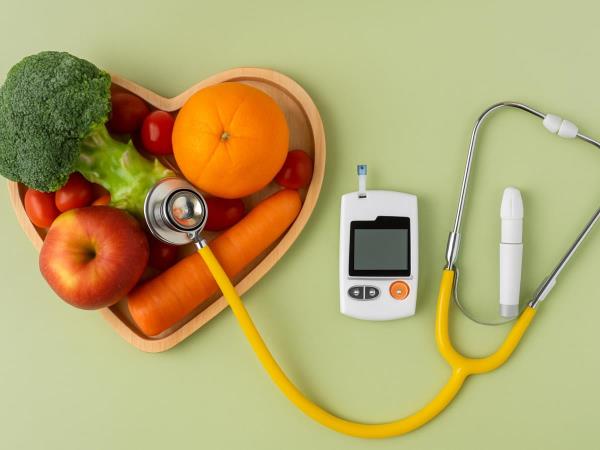


Fruits That May Help Support Healthy Blood Sugar Levels
expert, nutritionist
No, this isn't about a miracle ingredient — just a simple, affordable, and genuinely tasty addition to a balanced diet. That's exactly why it's worth knowing more about it.
Type 2 diabetes continues to rise worldwide, and the increase among younger people is especially concerning. One contributing factor is a diet low in fresh, fiber-rich fruit and vegetables. Nature offers a few interesting allies here — but as with anything related to health, the real story is moderation, variety, and regular movement, not any single "superfood."
Actor Tom Hanks is one of the most visible examples of how ordinary lifestyle choices intersect with blood sugar health. He first spoke publicly about his type 2 diabetes diagnosis in 2013, describing years of "high blood sugar numbers" that had crept up since his mid-thirties. He has since talked openly about reworking his diet — leaning toward whole foods, smaller portions, and fewer processed carbohydrates — as part of managing the condition. His story is a useful reminder that blood sugar problems don't only affect people who look a certain way, and that small, consistent changes in what ends up on the plate genuinely matter over time. (This is general background on a public figure's well-documented health disclosure, not medical advice tailored to any individual.)
A while back, a reader of our sister site Vemkajjem.si shared an experience that struck a chord with many others. After years of irregular eating — white bread, sugary drinks, and fast food making up much of the daily menu — his doctor suggested adding one or two servings of low-glycemic fruit to his day: an apple, a handful of blueberries, or half an avocado in the morning. After a few months, he noticed his afternoon energy crashes and sudden sugar cravings became noticeably less frequent. This is obviously not a substitute for medical care, but it's a nice illustration of how much small, daily changes to a plate can add up to.
Below are several fruits that, according to some research, may support more stable blood sugar levels and are worth including regularly. That doesn't mean these fruits are sugar-free — they're not — but compared with most other fruit they tend to contain less sugar relative to their fiber, healthy fat, or polyphenol content, which means the body absorbs that sugar more gradually. Digesting fruit like this often requires a bit more metabolic effort too, which can be a nice side benefit for weight management.
We've deliberately included a longer list so you can rotate through different fruits across the week. Pick a few favorites and work them into meals or swap them in for a sugary snack — a handful of fresh fruit makes a great mid-morning or afternoon pick-me-up.
- Avocado: the buttery fruit that keeps things steady
Avocado — that creamy green fruit we all know — is packed with fiber. Fiber is a plant compound the body can't fully break down, and its main job here is slowing how quickly sugar from food enters the bloodstream. Half a large avocado contains around 7 g of fiber, roughly a quarter of the recommended daily intake.A randomized clinical trial published in The Journal of Nutrition (Illinois Institute of Technology, 2022) found that in people with overweight and insulin resistance, regularly eating avocado was associated with more favorable post-meal blood sugar and insulin responses. Avocado also supplies monounsaturated fats, which support heart health and, according to some findings, may be linked to improved insulin sensitivity — the mechanism that helps the body clear sugar from the blood rather than let it build up.
If you're curious why avocado has become one of the most talked-about foods in modern nutrition, our related piece on what happens to your body when you eat avocado every day digs deeper into that. And if you'd rather turn it into dessert than a side dish, our sister site has a genuinely surprising Sri Lankan-style avocado dessert recipe worth trying. In Mexico, where avocado originates, it's traditionally described as something that "builds the blood," believed to give long, steady energy without sharp crashes — folklore that modern research at least partly seems to echo.
- Blueberries: small blue berries, outsized effects
Blueberries are a genuine antioxidant powerhouse — compounds that help protect cells from oxidative stress and premature aging. Their standout antioxidants are anthocyanins, the natural pigments responsible for that deep blue color.Research summarized in the U.S. National Library of Medicine's PMC database suggests that anthocyanins from blueberries may help improve insulin sensitivity in people with overweight. Blueberries also have a relatively low glycemic index (around 53), meaning their sugar reaches the bloodstream more gradually — for comparison, white bread sits above 70.
For a quick, blood-sugar-friendly way to use them, our related article on a blueberry, banana, and lemon smoothie is worth a look, and if you're watching iron and antioxidant intake more broadly, our piece on how too much iron in the blood can also become a problem touches on how apples, blueberries, and pears fit into that picture. In Northern Europe, blueberries were long known as "the berry for the eyes," with foresters believing they sharpened night vision — today we know their benefits extend to the heart and blood vessels as well.
- Apples: an old saying with real science behind it
"An apple a day keeps the doctor away" turns out to have at least some grounding in research. Apples contain pectin, a soluble fiber that swells in the gut and slows how quickly sugar is released into the blood.A medium apple contains about 4 g of fiber and only around 90 calories. The large, long-running Harvard Women's Health Study — summarized by the Harvard T.H. Chan School of Public Health, The Nutrition Source — followed nearly 39,000 women and found that those who ate at least one apple a day had a markedly lower rate of developing type 2 diabetes compared with non-apple-eaters.
For more on how fiber and pectin work inside the body, see our piece on why fiber is an express train to feeling better. Folk tradition has long treated the apple as a "neutral" fruit — something safe to eat daily, at almost any age.
- Pears: the quiet power of slow-release energy
Pears are often overlooked, yet they're one of the richest fiber sources of any fruit. A single pear delivers around 6 g of fiber, along with a good dose of vitamin C and natural antioxidants.Pears are frequently studied alongside apples for their flavonoid content and diabetes risk — including a large analysis in the American Journal of Clinical Nutrition, which covered close to 200,000 people and linked higher intake of anthocyanin-rich fruit, apples and pears among them, with a lower risk of type 2 diabetes.
Curious what a couple of pears a day can do for the rest of the body? Our related article on what happens when you eat pears regularly covers the details, including their effect on blood pressure and waist circumference in one clinical study. In folk tradition, pears were sometimes called "the fruit for the sick," valued for being gentle on digestion and quick to satisfy hunger.
- Cherries: a red boost for blood sugar balance
Cherries, with their pleasantly tart edge, are rich in anthocyanins and quercetin — a natural plant compound that, according to some research, may help reduce inflammation and support more balanced blood sugar levels.Quercetin and related flavonoids belong to a broader group of compounds reviewed in Nutrients, where an analysis of several cohort studies linked higher flavonoid intake with a reduced risk of type 2 diabetes.
In rural tradition, cherries have long been considered "the heart's fruit" — often offered to people recovering from heart trouble or simply feeling run down.
- Grapefruit: a citrus fruit for steadier sugar levels
Grapefruit contains naringenin, a natural compound that, according to some findings, may support better sugar metabolism. In a randomized trial published in the Journal of Medicinal Food, participants who ate half a fresh grapefruit before meals lost an average of around 1.6 kg over 12 weeks, alongside improvements in insulin resistance.Important: grapefruit can interfere with how certain medications are processed, since it inhibits the CYP3A4 enzyme involved in drug metabolism in the liver. If you take prescription medication, talk to a doctor or pharmacist before making grapefruit a regular habit. In folk practice, grapefruit is often treated as a morning "system cleanser," believed to kick-start metabolism for the day ahead.
- Kiwi: a small green fruit with an outsized reputation
Kiwi is low in calories (around 40 per fruit) but rich in fiber and vitamin C — containing roughly twice as much vitamin C as an orange. Some nutrition research links kiwi-rich diets with a reduced risk of obesity and better metabolic health overall, likely thanks to its fiber and micronutrient density.In folk practice, kiwi is often described as a "blood refresher" — a fruit believed to cleanse the body and support immunity.
- Plums: juicy and full of protective compounds
Plums are rich in polyphenols — plant compounds that, according to some research, may help ease oxidative stress, the cellular wear caused by free radicals. Dried plums (prunes) are especially fiber-dense, which is why they've long been used in folk medicine as a digestive aid.Plums, apples, and pears also come up in our related article on natural ways to help lower cholesterol, which explains how soluble fiber and pectin in these fruits bind excess cholesterol in the gut and may support steadier blood sugar levels as a side benefit.
- Dark raisins: sweetness without the dramatic spike
Although raisins taste intensely sweet, some research suggests they may not raise blood sugar as sharply as their flavor would suggest — likely thanks to their fiber and antioxidant content, which slow how quickly that sugar is released.In folk tradition, raisins were considered "food for the long road," believed to give travelers and laborers steady, lasting energy — not so different from how they're described today in our article on how much sugar is really in fruits and vegetables.
- Persimmon: a sweet fruit with a built-in brake
Persimmon looks and tastes intensely sweet, but its high fiber and vitamin content means that sugar is released more slowly than you'd expect. It's also rich in vitamin C and antioxidants that, according to some findings, may help ease inflammation and support heart health.Across the Balkans, persimmon has traditionally been called the "winter apple," since it was stored and eaten once other fresh fruit had run out — a role it still plays in our roundup of seasonal foods that can help support healthy weight in autumn.
Simple, affordable, and close to home
Type 2 diabetes is one of today's biggest public health challenges, and nature offers some genuinely simple, accessible tools worth adding to a daily routine. That doesn't mean fruit can replace medical care or prescribed treatment — think of it as a complement to a balanced diet, not a substitute for one. Even a daily serving of low-glycemic fruit — an apple, a handful of blueberries, a pear, or half an avocado — may, according to some research, help support more stable blood sugar levels over the long run.
According to the International Diabetes Federation (IDF), several hundred million people worldwide are projected to be living with diabetes by 2030 — but experts believe a meaningful share of those cases could be prevented or eased with a more balanced diet rich in fiber, vitamins, and antioxidants from fruit, paired with regular physical activity.
Information on this website is for educational purposes only and is not medical advice.
expert, nutritionist
 Would you like to be informed about news on the website?















|

