




Date: 07/11/2026 - GOOD TO KNOW
Cocoa Powder: The Secret Ally Against Fatty Liver and Excess Weight That Most People Ignore
AUTHOR:
Zvone Stor
expert, nutritionist
expert, nutritionist
Scientists from Penn State found in a study that cocoa reduced liver fat in mice by 28% and slowed weight gain by 22%. What does this mean for you?
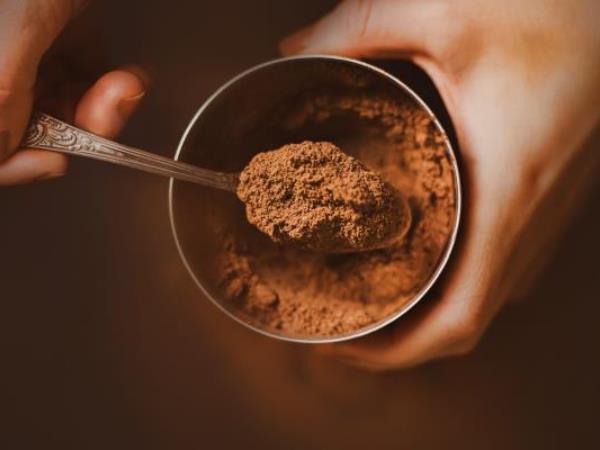
Cocoa powder isn’t just for a delicious hot drink or for baking desserts. It hides a wealth of benefits that can affect our bodies more than we think. And research confirms it.
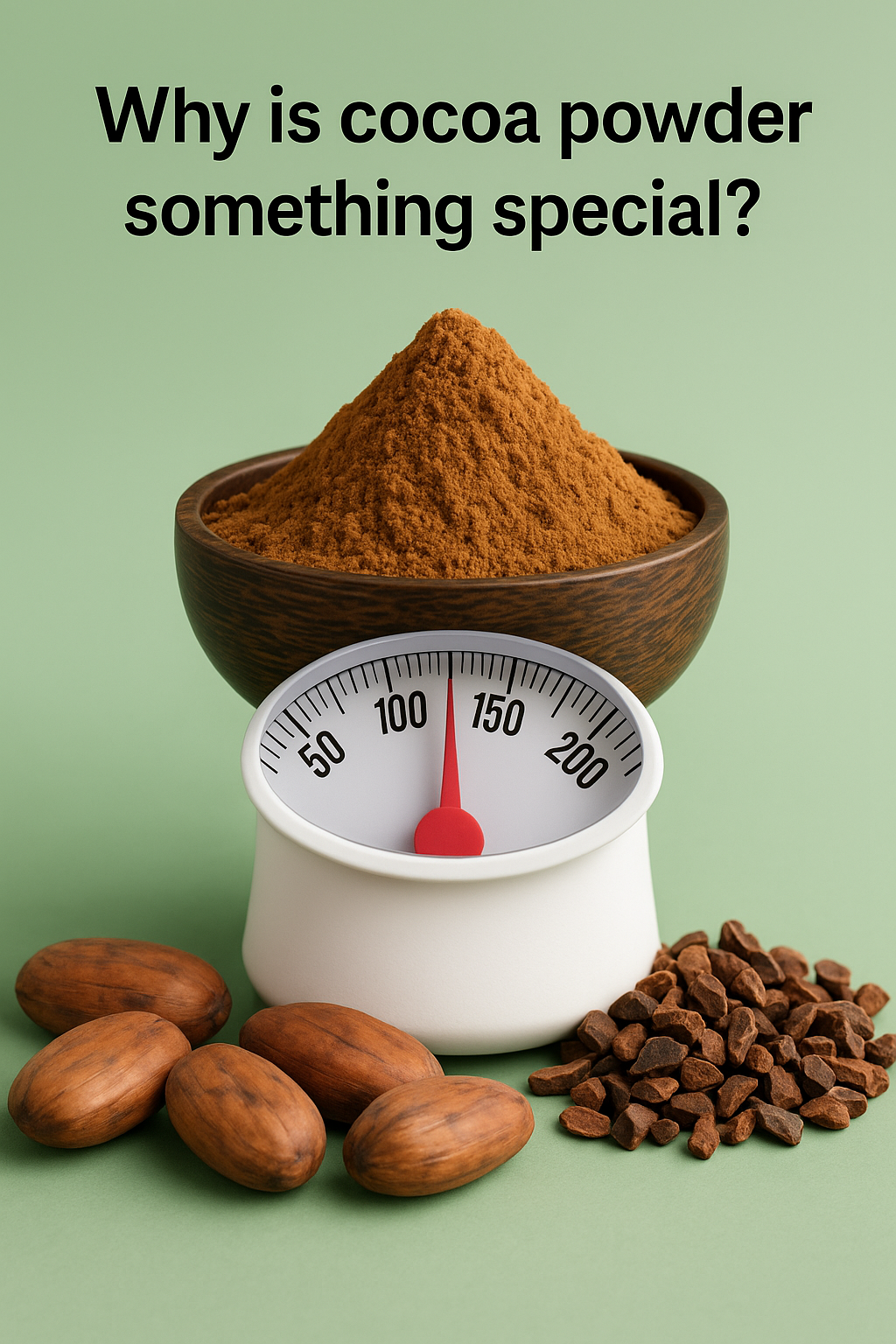
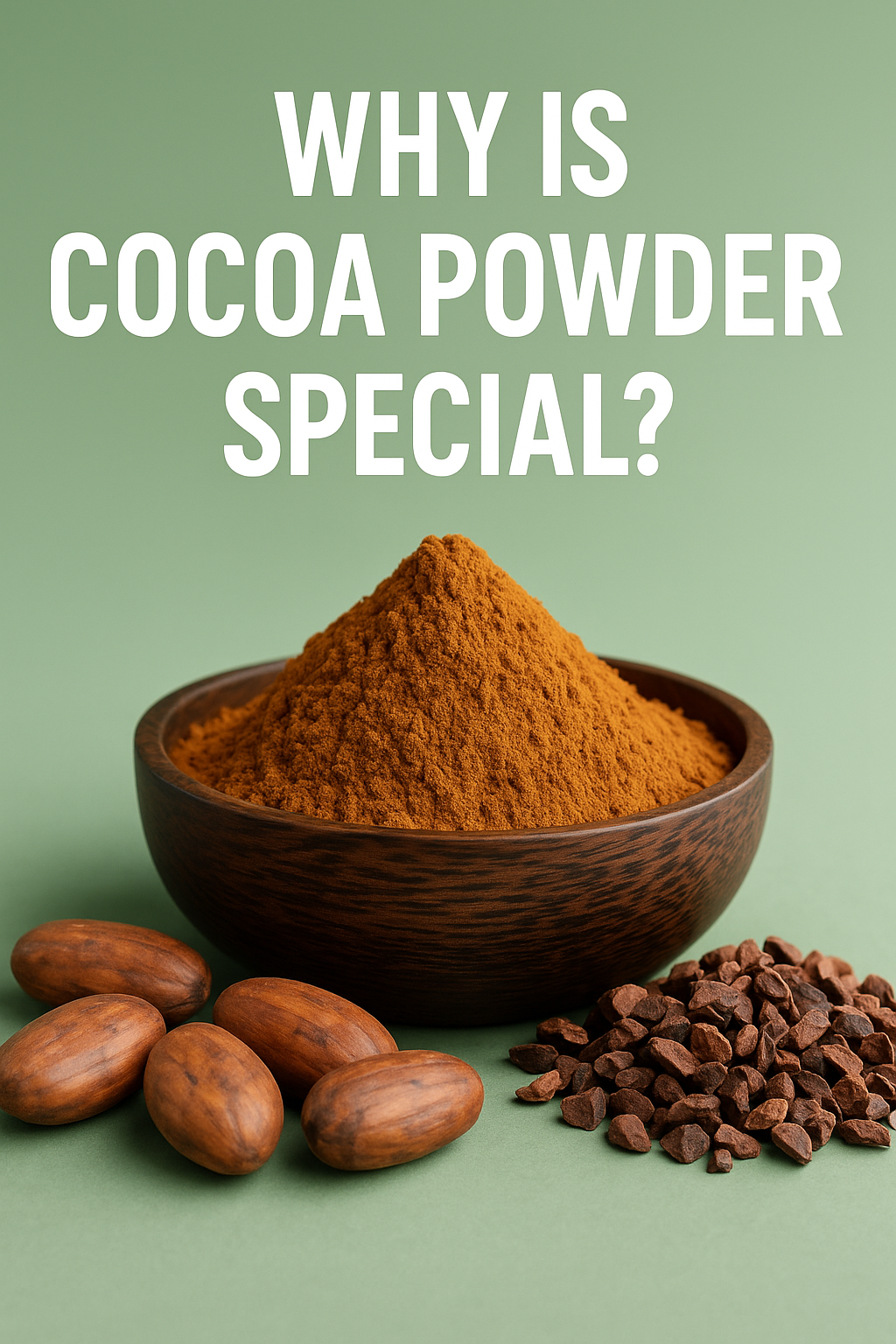
Why is cocoa powder something special?
Cocoa is naturally full of substances that have a positive impact on our health. It contains a lot of fiber, which is essential for good digestion and the feeling of satiety. It’s also rich in iron, which helps us feel less tired, as well as quite a few antioxidants – these are substances that capture harmful particles in the body called free radicals, and neutralize them before they cause us harm.
Particularly important are polyphenols, which are natural plant compounds. Simply put, these are a kind of health guardians that protect the heart, blood vessels, brain, and even the liver. Cocoa also contains methylxanthines, among which is theobromine, a substance similar to caffeine that stimulates the nervous system, but in a milder and slower way, so its effect lasts longer. This means cocoa can give you energy without “possessing” or overwhelming you like coffee can.
What does research say?
A recent study published in the scientific journal Journal of Nutritional Biochemistry brought some interesting findings. Researchers wanted to see whether cocoa could affect weight and liver health in obese subjects, in this case, mice.
In the study, obese mice were given cocoa powder for 10 weeks – specifically, 80 mg per gram of food. If we translate this to human amounts, this would be about 10 to 15 grams of cocoa per day for an average adult – roughly one to two tablespoons of cocoa.
The results were surprising. The mice that consumed cocoa:
What is non-alcoholic fatty liver?
Maybe you’ve heard the term, maybe not. Non-alcoholic fatty liver means you have fat accumulating in your liver even though you don’t drink alcohol. This is becoming a more and more common problem. In Europe, about 25% of adults are said to have this problem, while in the USA, it’s estimated that a third of people do. The main reasons are unhealthy diet, too much fat and sugar, and too little exercise.
This disease is silent for a long time – it doesn’t hurt and gives no obvious signs. But in the long term it can lead to liver cirrhosis, which is a very serious disease, sometimes even fatal.
And this is exactly where cocoa shows its power.
In the mentioned study, scientists also discovered that cocoa increased the activity of certain enzymes, such as superoxide dismutase and glutathione peroxidase. These are the body's cleaners that help break down harmful substances and regenerate cells. The better they work, the better our body defends itself.
How does cocoa work?
Cocoa helps in several ways at once.
Experts recommend consuming 5 to 15 grams of cocoa daily. This means you can simply:
What do other studies say?
A scientific study from 2015, published in the American Journal of Clinical Nutrition, showed that people who regularly eat dark chocolate (with high cocoa content) are more likely to maintain a healthy body weight. Those who ate it at least 5 times a week had a lower risk of obesity than those who didn’t eat any at all.
In another study published in the Journal of Internal Medicine, researchers found that cocoa can help lower blood pressure and improve insulin sensitivity, meaning the body processes sugar better, which is key for preventing type 2 diabetes.
And what does traditional medicine say about this?
Our ancestors believed that cocoa was a divine food. In Central America, it was drunk thousands of years ago, sometimes even as a medicine against fatigue, anemia, and pain. Our grandmothers also knew how to make strong cocoa without sugar, with a spoonful of honey and a pinch of cinnamon – as a remedy for children and adults during winter days.
In some parts of the world, cocoa is still used with healing herbs, for example with ginger for better digestion, or with turmeric for anti-inflammatory effects.
Conclusion
Even though it may sound unbelievable, just a daily spoonful of real cocoa in your diet can make a big difference. It can help you control your weight, protect your liver, improve your mood, and reduce the risk of diseases related to obesity.
Of course, cocoa alone will not miraculously solve all problems, but as part of a balanced diet and healthier lifestyle, it can be an important ally. And why not try something so pleasant, aromatic, and simple?
Information on this website is for educational purposes only and is not medical advice.
Why is cocoa powder something special?
Cocoa is naturally full of substances that have a positive impact on our health. It contains a lot of fiber, which is essential for good digestion and the feeling of satiety. It’s also rich in iron, which helps us feel less tired, as well as quite a few antioxidants – these are substances that capture harmful particles in the body called free radicals, and neutralize them before they cause us harm.
Particularly important are polyphenols, which are natural plant compounds. Simply put, these are a kind of health guardians that protect the heart, blood vessels, brain, and even the liver. Cocoa also contains methylxanthines, among which is theobromine, a substance similar to caffeine that stimulates the nervous system, but in a milder and slower way, so its effect lasts longer. This means cocoa can give you energy without “possessing” or overwhelming you like coffee can.
What does research say?
A recent study published in the scientific journal Journal of Nutritional Biochemistry brought some interesting findings. Researchers wanted to see whether cocoa could affect weight and liver health in obese subjects, in this case, mice.
In the study, obese mice were given cocoa powder for 10 weeks – specifically, 80 mg per gram of food. If we translate this to human amounts, this would be about 10 to 15 grams of cocoa per day for an average adult – roughly one to two tablespoons of cocoa.
The results were surprising. The mice that consumed cocoa:
- gained 22% less body weight compared to those without cocoa,
- had a smaller spleen, which means less inflammation in their bodies,
- had 28% less fat in their liver, which is very important because fatty liver leads to many chronic diseases,
- their oxidative stress (which speeds up aging and causes cell damage) was 57% lower,
- DNA damage in the liver was as much as 75% lower.
What is non-alcoholic fatty liver?
Maybe you’ve heard the term, maybe not. Non-alcoholic fatty liver means you have fat accumulating in your liver even though you don’t drink alcohol. This is becoming a more and more common problem. In Europe, about 25% of adults are said to have this problem, while in the USA, it’s estimated that a third of people do. The main reasons are unhealthy diet, too much fat and sugar, and too little exercise.
This disease is silent for a long time – it doesn’t hurt and gives no obvious signs. But in the long term it can lead to liver cirrhosis, which is a very serious disease, sometimes even fatal.
And this is exactly where cocoa shows its power.
In the mentioned study, scientists also discovered that cocoa increased the activity of certain enzymes, such as superoxide dismutase and glutathione peroxidase. These are the body's cleaners that help break down harmful substances and regenerate cells. The better they work, the better our body defends itself.
How does cocoa work?
Cocoa helps in several ways at once.
- First, it reduces inflammation, which means less joint pain, less fatigue, and better overall well-being.
- Second, it encourages the formation of new mitochondria – these are tiny power plants in our cells that generate energy. The more energetically charged our cells are, the faster we burn fat.
- Third, cocoa contains fiber that helps sugar release into the blood more slowly, leading to more stable blood sugar, fewer hunger attacks, and more motivation for a healthy lifestyle.
Experts recommend consuming 5 to 15 grams of cocoa daily. This means you can simply:
- add a spoonful of cocoa to your smoothie,
- prepare a warm drink with plant-based milk and a bit of honey,
- use cocoa when baking healthy sweets.
What do other studies say?
A scientific study from 2015, published in the American Journal of Clinical Nutrition, showed that people who regularly eat dark chocolate (with high cocoa content) are more likely to maintain a healthy body weight. Those who ate it at least 5 times a week had a lower risk of obesity than those who didn’t eat any at all.
In another study published in the Journal of Internal Medicine, researchers found that cocoa can help lower blood pressure and improve insulin sensitivity, meaning the body processes sugar better, which is key for preventing type 2 diabetes.
And what does traditional medicine say about this?
Our ancestors believed that cocoa was a divine food. In Central America, it was drunk thousands of years ago, sometimes even as a medicine against fatigue, anemia, and pain. Our grandmothers also knew how to make strong cocoa without sugar, with a spoonful of honey and a pinch of cinnamon – as a remedy for children and adults during winter days.
In some parts of the world, cocoa is still used with healing herbs, for example with ginger for better digestion, or with turmeric for anti-inflammatory effects.
Conclusion
Even though it may sound unbelievable, just a daily spoonful of real cocoa in your diet can make a big difference. It can help you control your weight, protect your liver, improve your mood, and reduce the risk of diseases related to obesity.
Of course, cocoa alone will not miraculously solve all problems, but as part of a balanced diet and healthier lifestyle, it can be an important ally. And why not try something so pleasant, aromatic, and simple?
Information on this website is for educational purposes only and is not medical advice.
Author:
Zvone Stor
expert, nutritionist
expert, nutritionist
 Would you like to be informed about news on the website?
Just enter your e-mail
Cocoa powder weight loss
Cocoa liver health
Benefits of cocoa powder
Cocoa powder antioxidants
Cocoa powder research effects
Latest news





Four Ingredients Every Kitchen Already Has: The Morning Drink Healthy-Living Fans Swear By
Read more >>







After 40, the Pounds Don't Just Appear – Your Body Is Sending You a Message Most Women Misread
Read more >>

The Humble Bean That Takes On Cholesterol: Why Legumes Are Not Just Peasant Food but a Friend to Your Heart
Read more >>

When a Kids' Drink Beats Sports Drinks: What Science Really Says About Chocolate Milk After Training
Read more >>

Interaktive Widgets:
|

