





Date: 05/28/2026 - GOOD TO KNOW
Do you eat late? With these foods, you won’t gain weight
AUTHOR:
Zvone Stor
expert, nutritionist
expert, nutritionist
Have you ever caught yourself rummaging through the fridge at ten in the evening, then going to bed feeling guilty? If you chose wisely, there’s nothing to be afraid of...
You might remember the golden rule of dieting: don’t eat after eight in the evening! Well, let us show you why this belief is no longer necessarily a rule and which foods can actually help you sleep better, have better health and keep a more stable weight. The secret is not the clock, but your choices. What does that mean? Quite simply — it’s not so much about when you eat, but what you put into your body. And even though it’s true that nightly binges on pizza or ice cream are not exactly a virtue, there are foods that are light, nutritious, and won’t strain your body, even if you eat them late.
What Can We Learn from Nature?
Folk wisdom, backed by science, says: the body is not a clock. It doesn’t look at the hands, but listens to what we give it. If we choose foods that nourish the body, don’t burden it, and even encourage better sleep, then dinner time is no longer the biggest threat to our waistline.
And one more thing to end with...
If you’ve read this far, you surely want something better for yourself. Next time you’re tempted by a chocolate croissant at half past midnight, we invite you to open the fridge and pour yourself a glass of milk instead. Your body will thank you.
Information on this website is for educational purposes only and is not medical advice.
- Milk – ancient folk wisdom for easier sleep
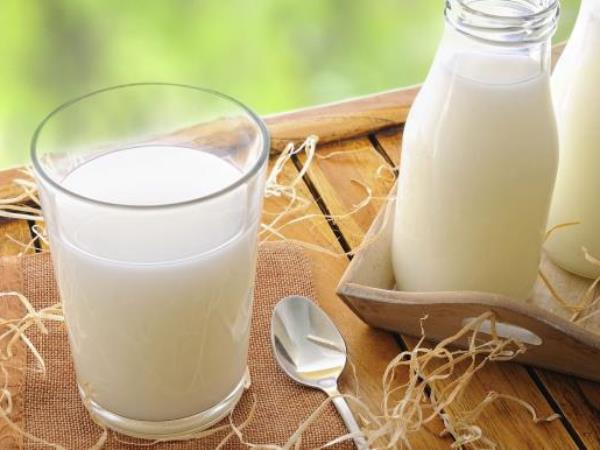
Our grandparents already knew that a warm glass of milk before bed is something special. Milk contains tryptophan, which is one of the natural substances that help the body start to release serotonin — that’s the hormone that calms us down and prepares us for sleep. If you’re curious about the numbers: one glass of milk (about 200 ml) contains just around 100 calories, and if it’s skim milk, even less.
It is also interesting that milk contains calcium and vitamin D, which work together for the health of our bones. And here’s something that might surprise you: a study published in the British Journal of Nutrition showed that people who regularly consume dairy fall asleep faster and wake up less often at night. So if you sometimes have trouble sleeping — milk might be able to help you.
Of course, if milk doesn’t suit you or if you’re lactose intolerant (milk sugar), you can replace it with almond milk — a plant-based drink rich in magnesium, which also helps relax your muscles. - Nuts – nature’s energy, but in moderation!
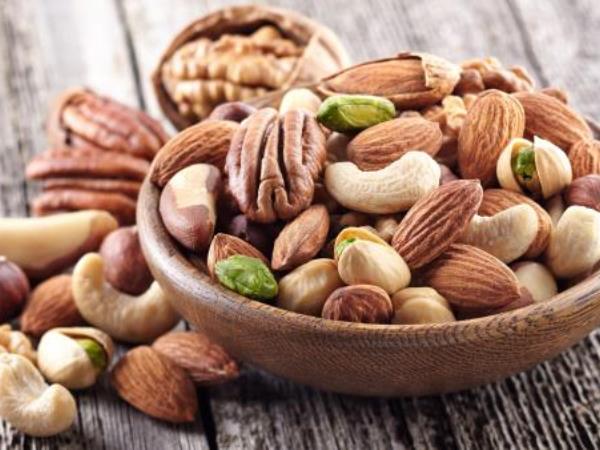
When you're a little hungry in the evening but don’t want to raid the fridge too much, nuts are an excellent choice. Walnuts, almonds, hazelnuts… all are rich in healthy fats, proteins, and antioxidants. Antioxidants? Those are substances that capture harmful molecules in the body and protect our cells — to put it simply: they act like internal cleaners.
But beware — nuts are high in calories. For example, a handful (about 30 grams) of almonds contains around 170 calories. Therefore, our advice is: no more than half a handful, so around 15 grams, which is about 10 almonds. Interestingly, a study in the American Journal of Clinical Nutrition finds that people who regularly eat nuts gain extra weight less often, because nuts are filling and prevent overeating later on.
And one more fun fact: walnuts contain melatonin, a natural hormone that regulates our internal body clock. So if you’re restless at night, you can try a few walnuts instead of a sleeping pill. - Vegetables – the queen of light dinners

Vegetables have this special trait: they nourish us and don’t weigh us down. Practically all types of vegetables — be it carrots, broccoli, zucchini, spinach, or cauliflower — are packed with fiber, which helps our digestive system and makes us feel full without loading us with calories.
For example: one cup of broccoli (about 90 grams) contains only 31 calories but as much as 2.5 grams of fiber. And that’s more than in many fitness cookies. It’s also a rich source of vitamin C, which boosts immunity — not bad if you’re starting to feel a cold coming on.
Vegetables also help regulate insulin — the hormone that controls how our body stores sugar. And the more stable this level is, the less likely it is that sugar will be stored as fat. - Turkey meat – a guilt-free dinner
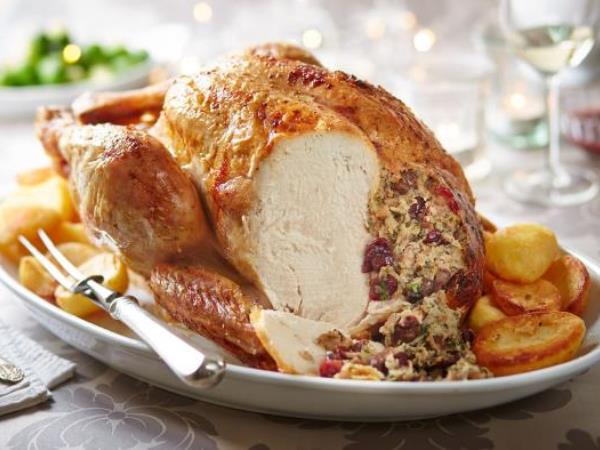
Turkey meat is what our elders would call “lean meat” — meaning it has very little fat and is full of protein. It’s protein that builds muscles, but it also makes you feel full.
100 grams of turkey fillet has about 120 calories and as much as 25 grams of protein, which is ideal for dinner. If you prepare it without oil — for example, on the grill or in the oven — you get a light but satisfying meal. Additionally, turkey meat also contains tryptophan, which will lull you into a better sleep.
And another interesting fact: research published in the Obesity Research Journal showed that people who have protein-rich dinners eat fewer calories overall the next day because they wake up feeling fuller. - Whole grains – for restful sleep and a clear conscience
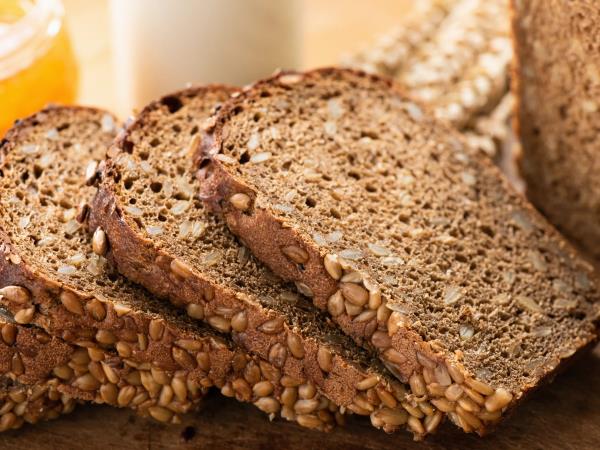
Bread, pasta, and cookies are tempting — especially in the evening. But here’s the crucial difference between refined carbohydrates (like white bread or chips) and whole grains, such as oats, rye bread, or quinoa.
Whole grains are digested more slowly, so they don’t cause blood sugar spikes — which can make you toss and turn at night. What’s more — they help produce more serotonin, which relaxes you. For example, one cup of cooked oats contains about 150 calories, yet has 4 grams of fiber and more than 5 grams of protein — so it’s nutritious and healthy.
A study in the American Journal of Lifestyle Medicine found that people who regularly eat whole grains are less likely to suffer from insomnia and have more stable body weight.





What Can We Learn from Nature?
Folk wisdom, backed by science, says: the body is not a clock. It doesn’t look at the hands, but listens to what we give it. If we choose foods that nourish the body, don’t burden it, and even encourage better sleep, then dinner time is no longer the biggest threat to our waistline.
And one more thing to end with...
If you’ve read this far, you surely want something better for yourself. Next time you’re tempted by a chocolate croissant at half past midnight, we invite you to open the fridge and pour yourself a glass of milk instead. Your body will thank you.
Information on this website is for educational purposes only and is not medical advice.
Author:
Zvone Stor
expert, nutritionist
expert, nutritionist
 Would you like to be informed about news on the website?
Just enter your e-mail
Late night healthy snacks
Foods for weight management
Healthy dinner choices
Better sleep with food
Nutritious late night snacks
Latest news

Why Do You Always Wake Up at the Same Time? Your Body Might Be Trying to Tell You Something
Read more >>


French Fries and Your Brain: What an 11-Year Study of 140,000 People Found About Fried Food and Mood
Read more >>

Selenium: The Tiny Mineral Your Body Can't Live Without — And Can Absolutely Have Too Much Of
Read more >>

A Spoonful of Coconut Oil on an Empty Stomach: The Quiet Morning Habit So Many People Swear By
Read more >>


Anemia on Your Plate: The Everyday Foods Quietly Helping — Or Sabotaging — Your Iron Levels
Read more >>

Why the Humble Egg Might Just Be Your Diet's Secret Weapon: 5 Reasons Nutritionists Keep Coming Back To
Read more >>


Yogurt, Banana or Citrus for Breakfast? Why Some "Healthy" Foods Can Backfire on an Empty Stomach
Read more >>



Why the Scale Won't Budge, Even On a Diet: The Overlooked Mineral Almost Nobody Talks About
Read more >>


Interaktive Widgets:
|

