





Date: 05/28/2026 - GOOD TO KNOW
5 unusual weight loss tricks that work
AUTHOR:
Zvone Stor
expert, nutritionist
expert, nutritionist
In a world where daily weighing has become a routine, it is often forgotten that the path to a slimmer figure does not only lead through strict diets and exhausting workouts. There are also lesser-known but effective methods ...
We present you with some unusual yet scientifically supported tricks that can help you lose excess weight.
Weight loss is not necessarily connected to drastic diets or intense workouts. With small but mindful changes in everyday life, you can achieve lasting results. Try incorporating the above-mentioned tricks into your routine and observe the positive changes. Remember, every step forward matters, and the road to health is a marathon, not a sprint.
Information on this website is for educational purposes only and is not medical advice.
- Scent as an ally in weight loss

Did you know that even just the smell of certain foods can affect your appetite? A study published in the journal Physiology & Behavior showed that actively smelling bananas can reduce overall appetite and consequently food intake. Similarly, a study by the Smell & Taste Treatment and Research Foundation found that individuals who smelled bananas or green apples lost more weight than those who did not do so. These findings suggest that the smell of certain foods can trick the brain into thinking you have already eaten, which reduces the feeling of hunger.
- Mirror as a reminder

Placing a mirror opposite the dining area may seem odd, but research shows that it can reduce the amount of food consumed. A study published in the Journal of Applied Psychology showed that individuals who ate in front of a mirror consumed less food and were more aware of their dietary choices. A mirror increases self-awareness and reminds us of our goals, which can lead to more mindful food choices.
- Blue color as an appetite suppressant

The colors in our environment can influence our appetite. Blue, which is rare in natural foods, is said to reduce appetite. Research published in Appetite has shown that blue lighting reduces the amount of food consumed by men. Additionally, a study published on ResearchGate states that blue can act as an appetite suppressant due to its rarity in nature and its association with spoiled food. So consider using blue plates or tablecloths during meals.
- Dark chocolate and red wine – moderate consumption
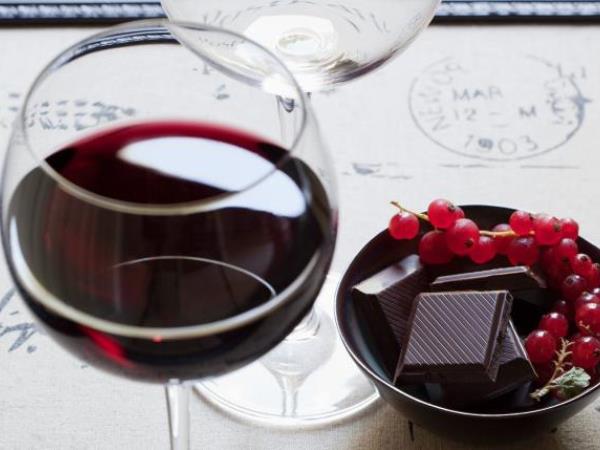
Although chocolate and wine may seem like the enemies of weight loss, research shows otherwise. Dark chocolate, rich in polyphenols, can improve metabolism and reduce inflammation. Red wine, especially due to its resveratrol content, can positively influence the cardiovascular system. The key is moderation – 30 grams of dark chocolate and a glass of red wine a day can be part of a balanced diet.
- The scale is not the only measure of success

Focusing only on the numbers on the scale can lead to frustration. It is important to recognize other signs of progress as well, such as more energy, better well-being, improved sleep quality, and positive changes in clothing fit. These non-scale victories are essential for long-term motivation and persistence in lifestyle changes.





Weight loss is not necessarily connected to drastic diets or intense workouts. With small but mindful changes in everyday life, you can achieve lasting results. Try incorporating the above-mentioned tricks into your routine and observe the positive changes. Remember, every step forward matters, and the road to health is a marathon, not a sprint.
Information on this website is for educational purposes only and is not medical advice.
Author:
Zvone Stor
expert, nutritionist
expert, nutritionist
 Would you like to be informed about news on the website?
Just enter your e-mail
Unusual weight loss tricks
Scent and weight loss
Mirror and weight loss
Blue color appetite suppressant
Dark chocolate and red wine for weight loss
Latest news

Why Do You Always Wake Up at the Same Time? Your Body Might Be Trying to Tell You Something
Read more >>

French Fries and Your Brain: What an 11-Year Study of 140,000 People Found About Fried Food and Mood
Read more >>
Selenium: The Tiny Mineral Your Body Can't Live Without — And Can Absolutely Have Too Much Of
Read more >>
A Spoonful of Coconut Oil on an Empty Stomach: The Quiet Morning Habit So Many People Swear By
Read more >>
Anemia on Your Plate: The Everyday Foods Quietly Helping — Or Sabotaging — Your Iron Levels
Read more >>
Why the Humble Egg Might Just Be Your Diet's Secret Weapon: 5 Reasons Nutritionists Keep Coming Back To
Read more >>

Yogurt, Banana or Citrus for Breakfast? Why Some "Healthy" Foods Can Backfire on an Empty Stomach
Read more >>



Why the Scale Won't Budge, Even On a Diet: The Overlooked Mineral Almost Nobody Talks About
Read more >>


Interaktive Widgets:
|

