




Date: 04/11/2026 - GOOD TO KNOW
Why is cornbread healthy?
AUTHOR:
Zvone Stor
expert, nutritionist
expert, nutritionist
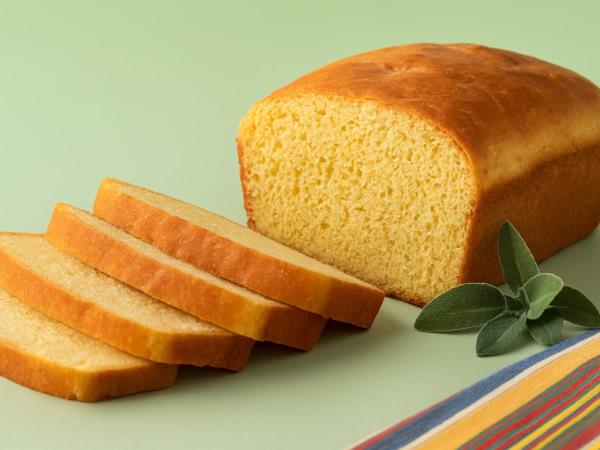
Cornbread is one of those dishes that, with its aroma and taste, takes us back to childhood, to the kitchens of our grandmothers, where time stood still by the oven, from which the smell of fresh bread drifted. Cornbread!
Cornbread is not just a nostalgic memory from childhood, it is a treasure trove of nutrients that have a beneficial effect on our health.
Nutritional value of corn
Corn is a cereal that originates from Central America and is now widespread throughout the world. Its kernels are rich in carbohydrates, which provide energy, and contain important vitamins and minerals. Among them, vitamin A, magnesium, iron, zinc, and selenium stand out.
Health benefits of cornbread
Regular consumption of cornbread can bring numerous benefits:
Glycemic index of cornbread
The glycemic index (GI) measures how quickly a certain food raises blood sugar levels. Cornbread has a moderately high GI, which means it moderately affects blood sugar. Therefore, it is recommended to consume it in moderation, especially if you have problems regulating blood sugar.
Preparing cornbread
Making cornbread is simple and does not require any special cooking skills. The basic recipe includes cornmeal, water, salt, and oil. Some also add wheat flour for better texture or sour milk for a lighter bread.
Ingredients:
Method:
In a large bowl, mix the cornmeal, wheat flour, salt, and sugar. Add the oil and gradually pour in the warm water while mixing, until you get a smooth dough. Transfer the dough into a greased baking dish and spread it evenly. Bake in a preheated oven at 200{-15696}C (392{-15696}F) for about 30 to 40 minutes, until the surface becomes golden brown. For additional flavor, you can also add grated cheese or herbs to the dough as desired.
Cornbread in the diet
Cornbread is versatile and goes excellently with various dishes. It can be served as a side dish to soups, stews, or salads. It is also tasty with different spreads or simply with butter.
It is important to mention that cornbread is naturally gluten-free, which is good news for those with celiac disease or gluten sensitivity. However, you should pay attention if the recipe includes wheat flour, as this contains gluten.
Worth remembering ...
Cornbread is not only a tasty and nostalgic dish, but also a nutritious addition to our diet. With its rich content of vitamins, minerals, and fiber, it contributes to better health and overall well-being. With easy preparation and recipe flexibility, it is an excellent choice for anyone who wants to add something traditional yet healthy to their diet.
Information on this website is for educational purposes only and is not medical advice.
Nutritional value of corn
Corn is a cereal that originates from Central America and is now widespread throughout the world. Its kernels are rich in carbohydrates, which provide energy, and contain important vitamins and minerals. Among them, vitamin A, magnesium, iron, zinc, and selenium stand out.
- Vitamin A: Important for the health of the eyes, skin, and immune system.
- Magnesium: Contributes to the normal functioning of muscles and the nervous system, and helps maintain healthy bones.
- Iron: Essential for the formation of hemoglobin, which carries oxygen throughout the body.
- Zinc: Supports the immune system and aids in wound healing.
- Selenium: Acts as an antioxidant and protects cells from damage.
Health benefits of cornbread
Regular consumption of cornbread can bring numerous benefits:
- Digestive support: The fiber in corn stimulates digestion and prevents constipation.
- Vision protection: Vitamin A and antioxidants such as lutein and zeaxanthin contribute to eye health and reduce the risk of age-related macular degeneration.
- Bone strengthening: Magnesium and calcium in corn help maintain strong and healthy bones and prevent osteoporosis.
- Energy value: Corn is an excellent source of complex carbohydrates, which provide long-lasting energy.
Glycemic index of cornbread
The glycemic index (GI) measures how quickly a certain food raises blood sugar levels. Cornbread has a moderately high GI, which means it moderately affects blood sugar. Therefore, it is recommended to consume it in moderation, especially if you have problems regulating blood sugar.
Preparing cornbread
Making cornbread is simple and does not require any special cooking skills. The basic recipe includes cornmeal, water, salt, and oil. Some also add wheat flour for better texture or sour milk for a lighter bread.
Ingredients:
- 1 kg cornmeal
- 4 tablespoons wheat flour (optional)
- 5 tablespoons oil
- 1 teaspoon salt
- 1 teaspoon sugar
- Approximately 700 ml warm water
Method:
In a large bowl, mix the cornmeal, wheat flour, salt, and sugar. Add the oil and gradually pour in the warm water while mixing, until you get a smooth dough. Transfer the dough into a greased baking dish and spread it evenly. Bake in a preheated oven at 200{-15696}C (392{-15696}F) for about 30 to 40 minutes, until the surface becomes golden brown. For additional flavor, you can also add grated cheese or herbs to the dough as desired.
Cornbread in the diet
Cornbread is versatile and goes excellently with various dishes. It can be served as a side dish to soups, stews, or salads. It is also tasty with different spreads or simply with butter.
It is important to mention that cornbread is naturally gluten-free, which is good news for those with celiac disease or gluten sensitivity. However, you should pay attention if the recipe includes wheat flour, as this contains gluten.
Worth remembering ...
Cornbread is not only a tasty and nostalgic dish, but also a nutritious addition to our diet. With its rich content of vitamins, minerals, and fiber, it contributes to better health and overall well-being. With easy preparation and recipe flexibility, it is an excellent choice for anyone who wants to add something traditional yet healthy to their diet.
Information on this website is for educational purposes only and is not medical advice.
Author:
Zvone Stor
expert, nutritionist
expert, nutritionist
 Would you like to be informed about news on the website?
Just enter your e-mail
Healthy cornbread
Nutritional value of corn
Health benefits of cornbread
Glycemic index of cornbread
Cornbread recipe
Latest news

Why Do You Always Wake Up at the Same Time? Your Body Might Be Trying to Tell You Something
Read more >>


French Fries and Your Brain: What an 11-Year Study of 140,000 People Found About Fried Food and Mood
Read more >>

Selenium: The Tiny Mineral Your Body Can't Live Without — And Can Absolutely Have Too Much Of
Read more >>

A Spoonful of Coconut Oil on an Empty Stomach: The Quiet Morning Habit So Many People Swear By
Read more >>


Anemia on Your Plate: The Everyday Foods Quietly Helping — Or Sabotaging — Your Iron Levels
Read more >>

Why the Humble Egg Might Just Be Your Diet's Secret Weapon: 5 Reasons Nutritionists Keep Coming Back To
Read more >>

Yogurt, Banana or Citrus for Breakfast? Why Some "Healthy" Foods Can Backfire on an Empty Stomach
Read more >>



Why the Scale Won't Budge, Even On a Diet: The Overlooked Mineral Almost Nobody Talks About
Read more >>


Interaktive Widgets:
|

