


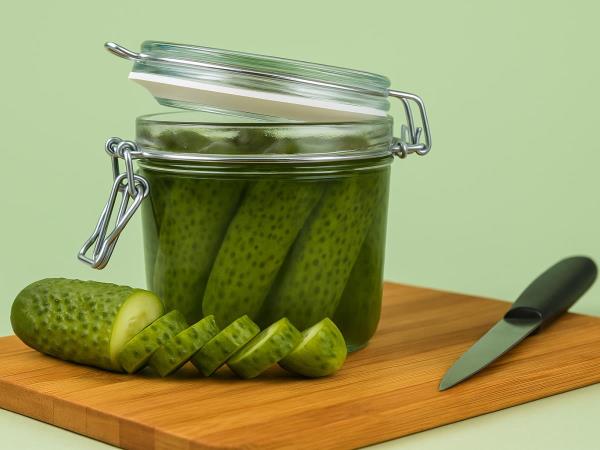


Pickles Aren't Just a Side Dish: Why a Daily Pickle Can Be Good for You (But Only the Right Kind)
expert, nutritionist
In 2025, researchers in rural Pakistan gave 230 women about 50 grams of traditional fermented pickles every day for 12 weeks. By the end, their gut bacteria looked measurably different. Most of us have a jar of pickles in the fridge, but few people think of it as anything more than something to put next to a sandwich. The catch is that the pickles in that study were fermented, and most of the pickles sold in supermarkets aren't. That one difference decides whether your pickle is a living food or just a tasty, salty crunch.
The experience that changed how one reader sees pickles
A friend of ours has watched his diet carefully for years and struggles with sluggish digestion. He told us that, on his doctor's advice, he started eating one pickle a day before lunch. After three weeks he noticed he felt less bloated after meals, and food seemed to sit more lightly. It wasn't a miracle cure. It was a small, consistent habit that made a noticeable difference to how he felt. One person's experience proves nothing on its own, but it's a good reason to look at what the research says.
What's actually in a pickle?
Pickles are mostly water, and they're very light. One dill pickle spear of about 35 g has around 5 calories, less than a gram of carbohydrate and almost no fat. Some older nutrition claims say pickles are rich in protein, but that isn't true: 100 g of dill pickles has under half a gram of protein, about 1 g of fibre, and small amounts of calcium and potassium. You also get modest amounts of vitamins such as A and K.
What pickles do have a lot of is salt. The same 100 g serving can have more than 800 mg of sodium, and a single spear has about 283 mg. We'll come back to that.
Fermented or vinegar: the difference that matters most
Most of the health benefits people talk about apply to fermented pickles, which are made in a salt-water brine and left for lactic acid bacteria to do their work. They don't apply to pickles made quickly with vinegar. As the Stanford Lifestyle Medicine team explains, vinegar pickling is common, but true brine fermentation is what fills pickles with beneficial bacteria. If the label says "vinegar" or "pasteurized," there probably aren't any live probiotics inside. Look for words like "fermented," "unpasteurized," "live cultures" or "probiotic."
According to Cleveland Clinic dietitians, most pickles sold in grocery stores aren't fermented at all. They're "fresh-pack" pickles soaked in an acidic vinegar brine, which doesn't produce probiotics. Fermented pickles are usually in the refrigerated section, often in cloudy brine.
5 reasons pickles deserve a place on your menu
1. Live bacteria for your gut (fermented pickles only)
Fermented pickles contain live lactic acid bacteria, and the evidence that they can affect the gut is growing. In the community trial published in Scientific Reports in 2025, women in rural Pakistan ate about 50 g a day of one of six traditional plant-based fermented pickles for 12 weeks. The researchers saw changes in the women's gut bacteria and in some inflammation markers, and they described the results as preliminary. Keep in mind who took part: they were women in an area where undernutrition is common, and the pickles were South Asian vegetable and fruit pickles, not cucumber dills. The findings may not carry over directly to a well-fed European or American eater.
A broader human study points the same way. In a 10-week Stanford trial published in Cell, 36 healthy adults were randomly assigned to eat more fermented foods (including fermented vegetables and vegetable brine drinks) or more fibre. In the fermented-food group, gut microbial diversity went up and several inflammatory markers went down. The fibre group didn't show the same changes. It was a small study, but it's one of the better-designed ones on the subject.
If you like fermented foods, you might also enjoy our piece Kefir and Flaxseed: The Old-Fashioned Morning Habit People Keep Coming Back To. If sauerkraut is your thing, read Who should not eat sauerkraut before you go all in.
2. Antioxidants and plant compounds
Cucumbers, dill, garlic and the other spices in a pickle jar contain polyphenols and small amounts of vitamins A and C. These antioxidants help counter free radicals, unstable molecules that can damage cells. Fermentation may add to this. In a laboratory study, a naturally lacto-fermented cucumber product showed anti-inflammatory activity in immune cells grown in a dish. That's cell work, not a human trial, so it shows a plausible mechanism and not a proven benefit for people. On their own, pickles are a small source of antioxidants, not a powerhouse.
3. Help with blood sugar spikes and appetite, mostly from vinegar
Here, vinegar pickles finally get a point. A 2017 meta-analysis of clinical trials found that taking vinegar with a meal lowered the rise in blood glucose and insulin afterwards. In a Swedish study of healthy volunteers, adding vinegar to a bread meal lowered the blood sugar response and made people feel fuller. These studies used measured doses of vinegar, not pickles, so a pickle or two before lunch is a much smaller and less predictable "dose." You may have read that a pickle before a meal makes you eat about 30% less. We couldn't find any research to back that number.
Still, a crunchy, sour, nearly calorie-free pickle is a better appetite-taming snack than many alternatives. It's one of the tips in our article 3 tricks to never be hungry. If you have diabetes, treat pickles as a small dietary detail, not a treatment, and stick with the plan you've agreed with your doctor.
4. A folk remedy for cramps with some science behind it
Athletes have drunk pickle brine for muscle cramps for decades, and there's a small study behind the habit. In a 2010 study in Medicine & Science in Sports & Exercise, researchers triggered foot cramps electrically in mildly dehydrated young men. Drinking a small amount of pickle juice, about 75 ml, ended the cramps sooner than water did. The effect was too fast to come from replacing electrolytes, so the researchers think it's a nerve reflex set off in the mouth and throat. The study was small and lab-based, and it only included men, so don't expect it to work for every cramp. Still, it's a nice example of folk wisdom getting a second look.
5. A light swap for salty snacks
Pickles aren't a detox food. You may read that they "cleanse the liver" or soothe stomach ulcers, but we found no good human evidence for either claim. If you have an ulcer, reflux or another stomach condition, follow your doctor's advice on acidic and salty foods. If you want gentle, evidence-based support for the organs that already keep you clean, see 10 Foods That Help Your Body Reset This Fall: From Broccoli to Garlic, Nature's Everyday Allies.
What pickles do well is replace less helpful snacks. In the evening, one or two pickles give you the crunch and salty kick of chips or crackers for a few calories instead of a few hundred.
Homemade or store-bought: which is better?
Homemade pickles have a clear advantage: you know exactly what went into them, and you decide how much salt to use. Dietitians at the Cleveland Clinic also say that making pickles at home is the easiest way to keep the sodium in check. Commercial pickles are often very salty, which matters if you watch your blood pressure. The World Health Organization recommends that adults keep sodium below 2,000 mg a day, which is less than 5 g of salt, or about a teaspoon. A 50 g portion of typical dill pickles has about 400 mg of sodium, roughly a fifth of that limit, before you've added salt to anything else.
If you want to ferment at home with less salt, our guide Low-Salt Sauerkraut at Home: One Pantry Ingredient Changes Everything covers techniques that work just as well with cucumbers.
How to fit pickles into your day
- Before lunch: try our friend's habit and eat one fermented pickle on its own before your main meal. If it suits you, keep it up. If it doesn't, drop it. There's no magic in the timing.
- With eggs: chopped pickles are great in an omelette or egg salad. Don't count on them to boost iron absorption, though. Pickles have only a little vitamin C, and the iron in egg yolks is hard for the body to absorb. Bell peppers or a squeeze of lemon do much more, as explained in 11 foods that help or hinder iron absorption and Anemia on Your Plate: The Everyday Foods Quietly Helping - Or Sabotaging - Your Iron Levels.
- As an evening snack: have one or two pickles instead of chips or crackers.
- After a hard workout: if you're prone to cramps, a small sip of brine is a cheap, low-risk thing to try. Just remember how much salt it has.
- If you're watching salt: choose lower-sodium brands or make your own, read labels, and keep portions moderate.
The next time you open the fridge, remember that a jar of real, fermented pickles is more than a condiment. It's a simple, natural and affordable way to add some live bacteria and a lot of flavour to your day. Just check the label, and go easy on the salt.
Information on this website is for educational purposes only and is not medical advice.
expert, nutritionist
 Would you like to be informed about news on the website?















|

