


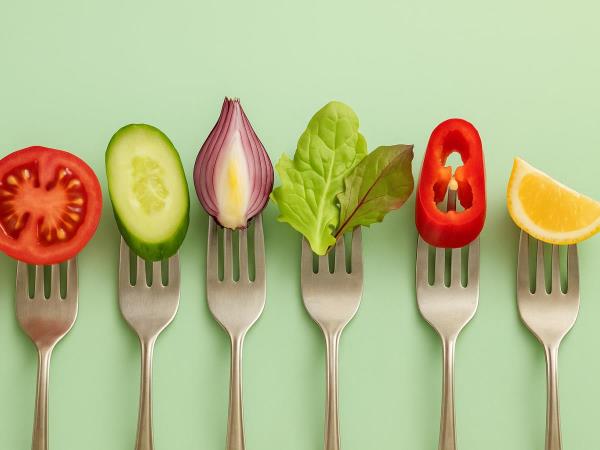


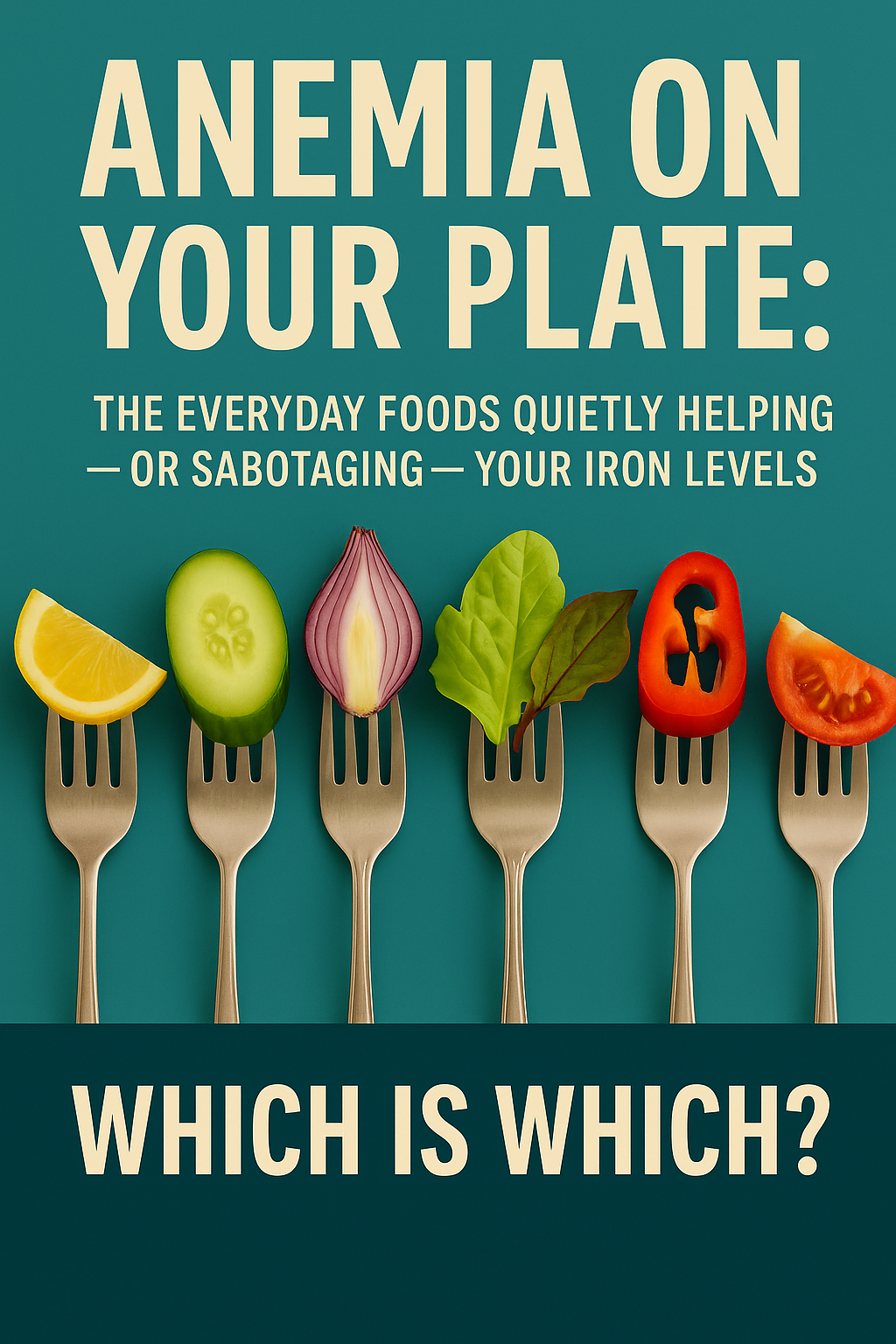

Anemia on Your Plate: The Everyday Foods Quietly Helping — Or Sabotaging — Your Iron Levels
expert, nutritionist
You could be eating a perfectly iron-rich lunch — lentils, spinach, a good steak — and still be quietly undoing half the benefit with the cup of tea you have right after. That's the strange thing about anemia: it's rarely just about what you eat. It's about timing, pairing, and a handful of everyday habits most people have never thought twice about.
Anemia is one of the most common nutritional issues on the planet. According to the World Health Organization, it's estimated that around 30% of women aged 15–49 and roughly 40% of young children worldwide are affected, with iron deficiency identified as the single largest contributor. For most people, it isn't dramatic — it shows up as tiredness, shortness of breath, or just feeling a bit "off," which is part of why it's so often overlooked.
"Dancing with the Stars" judge Carrie Ann Inaba has spoken publicly about exactly this. After weeks of unexplained fatigue, brain fog, and heart palpitations, blood work revealed she had iron deficiency anemia — a condition she later partnered with a health campaign to raise awareness about, encouraging people experiencing ongoing fatigue to simply ask their doctor for an iron panel rather than assuming it's "just stress."
What's less well known is that iron isn't absorbed in isolation. The body's ability to pull iron out of food and put it to use can shift dramatically depending on what else is on the plate — sometimes by a factor of several times, according to research summarized in a widely cited review on iron bioavailability published in The American Journal of Clinical Nutrition. Knowing which foods help and which quietly get in the way can be a simple, low-cost way to support healthy iron levels alongside a varied diet.
A quick note: this article is meant as general, educational information about food pairing and iron absorption — not a diagnosis or treatment plan. Anemia has many possible causes, some of which need medical attention, so if you suspect you're low in iron, the right next step is a simple blood test with your doctor.
Foods That May Help the Body Absorb More Iron
Vitamin C — iron's best friend
This is the one pairing nutritionists mention most often, and for good reason. Vitamin C converts iron into a form the gut absorbs far more easily. A glass of fresh orange juice, or simply adding red pepper (which actually contains more vitamin C than citrus fruit, gram for gram) alongside eggs or a lentil dish, can meaningfully boost how much iron your body actually takes up from that meal. Sipping citrus juice slowly during or just before a meal — rather than as a separate afternoon drink — appears to make the biggest difference.
Dark chocolate
Cocoa beans are naturally rich in iron, and the fermentation process used to make chocolate reduces some of the plant polyphenols that would otherwise block that iron from being absorbed. A good-quality dark chocolate (70%+ cocoa) can provide a surprising amount of iron per serving — one more reason a small square after dinner doesn't have to be purely indulgent.
Pistachios
Pistachios pack a decent amount of iron and, crucially, very little calcium — the mineral most responsible for blocking iron uptake (more on that below). That combination makes them one of the more iron-friendly nuts to snack on. They've been prized as an energy food in parts of the Middle East for centuries, long before anyone understood the chemistry behind it.
Coffee — a timing trick, not a booster
Here's a common misconception worth clearing up: coffee doesn't actually help your body absorb more iron — if anything, its polyphenols work against iron absorption, in much the same way tea's do. The trick isn't the coffee itself, it's the timing. Having your coffee at least an hour before a meal, rather than alongside it, means its polyphenols have largely cleared your system by the time you're eating, so they're not there to interfere. Save your daily cup for well before or well after your main iron-rich meal, and it won't work against you.
For more on this pairing logic, Foodwhisper's own deep dive into 11 foods that help or hinder iron absorption covers several of these combinations in more depth, including a few home remedies worth knowing.
Foods That Can Get in the Way of Iron Absorption
Eggs
Egg yolks are often praised as an iron source, but the iron they contain is bound to a protein called phosvitin, which is notoriously hard for the body to release and absorb — and research shows phosvitin's strong metal-binding properties can also interfere with the absorption of iron from other foods eaten at the same time. The fix is simple: pair eggs with something high in vitamin C — a green salad with lemon, or a side of peppers — which helps counteract the effect.
Milk
Milk is genuinely good for you, but its calcium is one of the most well-documented inhibitors of iron absorption there is. A classic study published in The American Journal of Clinical Nutrition found that around 165 mg of calcium — roughly what's in a glass of milk — reduced iron absorption by 50–60%. The effect doesn't last long, though, so the simplest fix is just spacing things out: keep milk to a separate part of the day from your main iron-rich meal rather than cutting it out.
Bread
Bread — particularly whole-grain varieties — contains phytic acid, a natural compound that binds to iron and other minerals and can reduce how much gets absorbed. This is one of the more variable effects (it depends on the type of bread and how it's made), but as a general rule, pairing bread with a vitamin C source helps offset it. The one combination worth avoiding where possible is bread eaten specifically to accompany an iron-rich dish plus a vitamin C drink — the two effects can partly cancel each other out in ways that are easy to miss.
Tea
Tea's tannins are among the most studied iron inhibitors around. Early research on how tea affects iron absorption showed that tannins form complexes with iron in the gut that the body simply can't absorb, and black tea — with its higher tannin content — has a noticeably stronger effect than green or herbal varieties. The practical takeaway nutritionists tend to give: leave at least half an hour, ideally closer to an hour, between a meal and your cup of tea. If you want tea sooner, adding lemon and a little honey can help soften the impact.
Olive oil
Olive oil remains one of the genuinely healthiest fats around — nothing here changes that. But it does contain quercetin, a plant compound shown in iron-transport research to bind iron and reduce how efficiently it's absorbed, particularly plant-based (non-heme) iron like the kind found in spinach or lentils. If you're eating a plant-based iron source, it may be worth reaching for a different oil — pumpkin seed or linseed oil, for instance — and saving the olive oil for meals built around animal-based iron, like meat, where the effect appears smaller.
Turmeric
Turmeric's curcumin has drawn real scientific interest, including for its own anti-inflammatory properties — but curcumin is also, chemically speaking, a genuine iron-binder. A study on curcumin's iron-chelating behavior confirmed it binds iron specifically and effectively, which is part of why it's even being explored as a natural option for people who have too much iron rather than too little. If your iron levels run low, it's worth using turmeric more with meat-based dishes than with your main plant-based iron sources.
Interestingly, that same iron-binding property is exactly why some people need the opposite advice — Foodwhisper has covered this from the other side in when too much iron in the blood becomes a problem, a condition called hemochromatosis, where these same "inhibitor" foods can actually be helpful.
Old Habits That Turn Out to Have a Point
A few traditional food habits line up surprisingly well with what the research shows: fermented vegetables like sauerkraut alongside a meal (a natural vitamin C source), cooking in a cast-iron pot (which can genuinely add small amounts of absorbable iron to food), and having a splash of vinegar or citrus with meals rather than after. None of these are dramatic fixes on their own, but together they add up — and they cost next to nothing to try. Foodwhisper has more of these everyday approaches in its piece on natural remedies against anemia, and for anyone looking to simply add more iron-dense foods to the rotation, semolina is a surprisingly effective, budget-friendly option.
Information on this website is for educational purposes only and is not medical advice.
expert, nutritionist
 Would you like to be informed about news on the website?











|

