





7 Everyday Food Combinations That May Be Making You Gain Weight Without You Realising
expert, nutritionist
You probably already know that what you eat matters. But nutrition research increasingly suggests that how you combine foods matters too - and several combinations most people eat every single day may be working quietly against their digestion and waistline. The good news is that most of these are simple habits to adjust once you know what to look for.
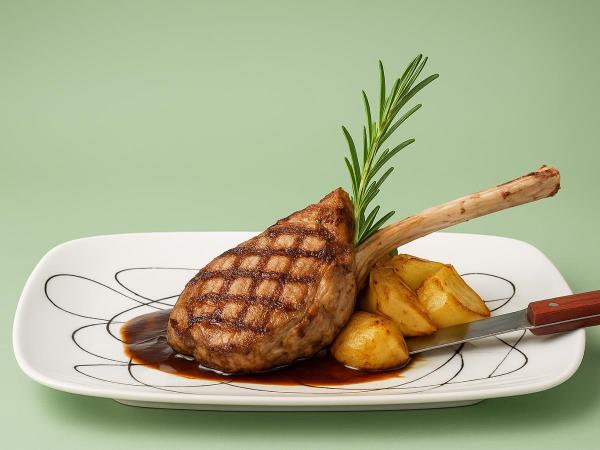
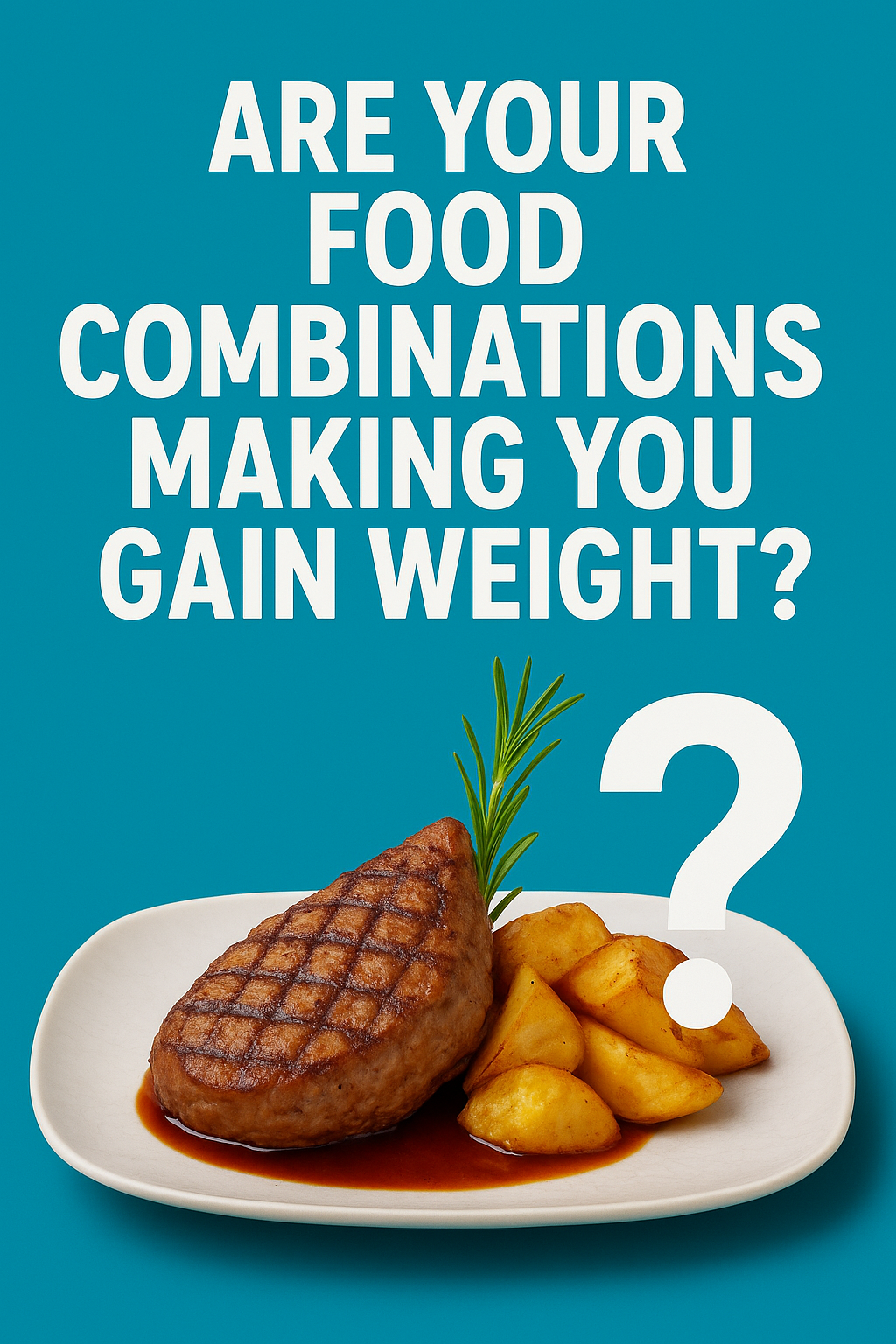
1. Protein and Starch: The Classic Meat-and-Potatoes Problem
Foods like meat, fish, seafood, eggs and cheese are excellent sources of protein - but only when paired wisely. Combining them with starchy sides such as potatoes, pasta, bread or corn creates a digestive conflict that many nutritionists flag: iron and magnesium are particularly sensitive to this pairing, with absorption of both potentially reduced when these two food groups compete in the gut at the same time. The result for many people is bloating, a heavy feeling after meals and, over time, a less balanced nutritional profile. Try pairing your protein with non-starchy vegetables instead - a habit that also happens to lower the overall caloric density of the meal. This connects to wider guidance on how digestion affects weight; see also the Foodwhisper piece Find out what your metabolism is like and adjust your diet for context on how individual metabolic types respond differently to protein and carbohydrate ratios.
2. Plant and Animal Proteins Together
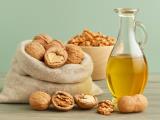
It might seem virtuous to add a handful of walnuts or a scoop of seeds to a fish dish - extra protein and healthy fats, right? In practice, animal proteins and plant proteins like nuts and seeds are digested by very different enzymatic processes, and combining them in a single meal can make both harder to break down efficiently. The main concern is the absorption of iron and vitamin E, which may be suppressed when these two protein types are processed simultaneously. Keep meals simpler: nuts and seeds work beautifully as a standalone snack or alongside vegetables, not layered on top of a meat or fish dish.
3. Fizzy Drinks and Dairy: A Surprisingly Disruptive Mix
Reaching for a cola alongside a glass of milk, a yogurt or a cheese course is more disruptive than it sounds. The acidity and carbonation in soft drinks interact unfavourably with the proteins and minerals in dairy, effectively neutralising many of the nutritional benefits dairy brings to the table. A study published in Neurogastroenterology & Motility found that carbonated beverages can influence upper digestive tract physiology, and of all the ingredients, carbon dioxide is prevalently involved in the alteration of gastrointestinal physiology through direct mucosal effects and indirect effects mediated by the mechanical pressure of gas. The properties of the fizzy drink tend to dominate the mixture, leaving the dairy's calcium and protein less available to the body.
4. Fruit as Dessert: Why Timing Your Fruit Matters
This one surprises people most, because eating a bowl of strawberries after dinner feels so wholesome. The issue is not the fruit itself - it is the timing. Fruit digests rapidly compared with proteins, fats and cooked starches, and when fruit is consumed after a meal, the overall gastric emptying rate is slowed down by the presence of other macronutrients, and this slower transit time delays the entry of fruit sugars into the bloodstream. For most healthy people, studies have shown that eating fruit immediately after a meal does not cause bloating in a clinically significant way. However, sensitive individuals, especially those with fructose intolerance or irritable bowel syndrome (IBS), may experience gas or bloating after eating fruit regardless of timing. The stronger argument for eating fruit earlier is about satiety and calorie control: the satiety score was significantly higher for fruit intake before a meal, and eating fruit before a meal reduced subsequent energy intake by 18.5% (166 kcal) compared to a no-fruit control, according to a study published in the International Journal of Environmental Research and Public Health. So if weight management is your goal, eating fruit before or between meals - rather than as a sweet finish - is the smarter move. For people managing blood sugar, pairing fruit with protein or fat in a meal can slow sugar absorption and prevent spikes.
5. Coffee or Tea Immediately After a Meal
The post-lunch espresso or afternoon tea is a ritual for millions of people - but consuming them right after eating may not be entirely neutral. Research on tea constituents found that theophylline and caffeine inhibit the mucosal uptake of amino acids, and tea and all its constituents tested inhibited the mucosal uptake of phenylalanine in laboratory studies on intestinal transport. It is worth noting, however, that this research was conducted in rat intestinal tissue in vitro - it cannot be directly translated to human meal effects. More current analysis suggests there is no well-established mechanism by which caffeine interferes with protein digestion or amino acid absorption, with protein digested by stomach acid and pancreatic enzymes while caffeine is absorbed largely in the small intestine and metabolised in the liver. What is better supported is a specific effect on iron: coffee can inhibit non-heme iron absorption - the plant form of iron - when consumed with a meal. Additionally, an in-vitro study published on PubMed found that coffee melanoidins inhibit the digestive enzymes pepsin and trypsin in laboratory conditions. The practical upshot: if you are iron-deficient or eat a largely plant-based diet, waiting 45{-15230}{-13416}{-15454}‚{-15700}{-15454}€{-14949}60 minutes after a meal before your coffee or tea is a sensible precaution. For everyone else, the effect appears modest. See also: The Old Folk Trick of Green Tea with Milk: It Actually Works - But Only If You Make It Right.
6. Wine and Sweets: A Fat-Storage Double Act
Alcohol and sugar are not a good team when it comes to metabolic load. A human study published in the American Journal of Clinical Nutrition found that alcohol significantly increased the two-hour glucose response by 18% and the insulin response by 16% compared with a pure glucose solution, suggesting that alcohol acutely impairs insulin sensitivity, with the conclusion that alcohol increases postprandial glucose and insulin responses. An influx of sugar into the bloodstream upsets the body's blood-sugar balance, triggering insulin release; insulin also promotes the storage of fat, so eating sweets high in sugar alongside alcohol can contribute to weight gain and elevated triglyceride levels. The combination of alcohol and high-glycaemic desserts therefore stacks two fat-promoting signals on top of each other. If you enjoy a glass of wine with food, pair it with low-glycaemic choices - vegetables, legumes, lean protein - rather than cakes or sweetened desserts.
7. Alcohol and Carbonated Soft Drinks: The Riskiest Combination
Mixing spirits with cola, lemonade or other fizzy mixers is everywhere in social drinking culture - but the combination carries compounding risks. Alcohol affects all systems of the body, especially the gastrointestinal tract; acute or chronic alcohol consumption has deleterious effects on the gastrointestinal mucosa, ranging from increased intestinal permeability to structural changes and severe destruction of the epithelial lining cells. Alcohol is a known dietary disruptor of the intestinal microbiota, and carbonated soft drinks are suspected to cause certain gastrointestinal disorders, with carbon dioxide prevalently involved in the alteration of gastrointestinal physiology through direct mucosal and mechanical pressure effects. There is epidemiological evidence of a causal association between alcohol intake and digestive cancer, though the role of alcohol in determining cancer is not fully defined. In short, you get the worst effects of both drinks amplified - and none of the modest benefits sometimes attributed to them individually. This is one combination that is simply worth avoiding altogether. For more on how dietary habits interact with gut health, see Recipe that will improve your digestion and This Bedtime Green Drink May Support Digestion and Ease Bloating - A Simple 5-Ingredient Recipe.
The Bottom Line
None of these combinations is a guaranteed path to weight gain on its own - context, quantity and individual biology all matter. But when several of these habits stack up daily, the cumulative drag on digestion and nutrient absorption is real. Small shifts - fruit before the meal, coffee after a 45-minute gap, wine with salad instead of tiramisu - cost nothing and may quietly make a meaningful difference over weeks and months.
Information on this website is for educational purposes only and is not medical advice.
expert, nutritionist
 Would you like to be informed about news on the website?












|

