




Date: 07/12/2026 - GOOD TO KNOW
Peas that Mendel didn’t know as medicine: the wrinkled variety hides the secret of stable blood sugar
AUTHOR:
Zvone Stor
expert, nutritionist
expert, nutritionist
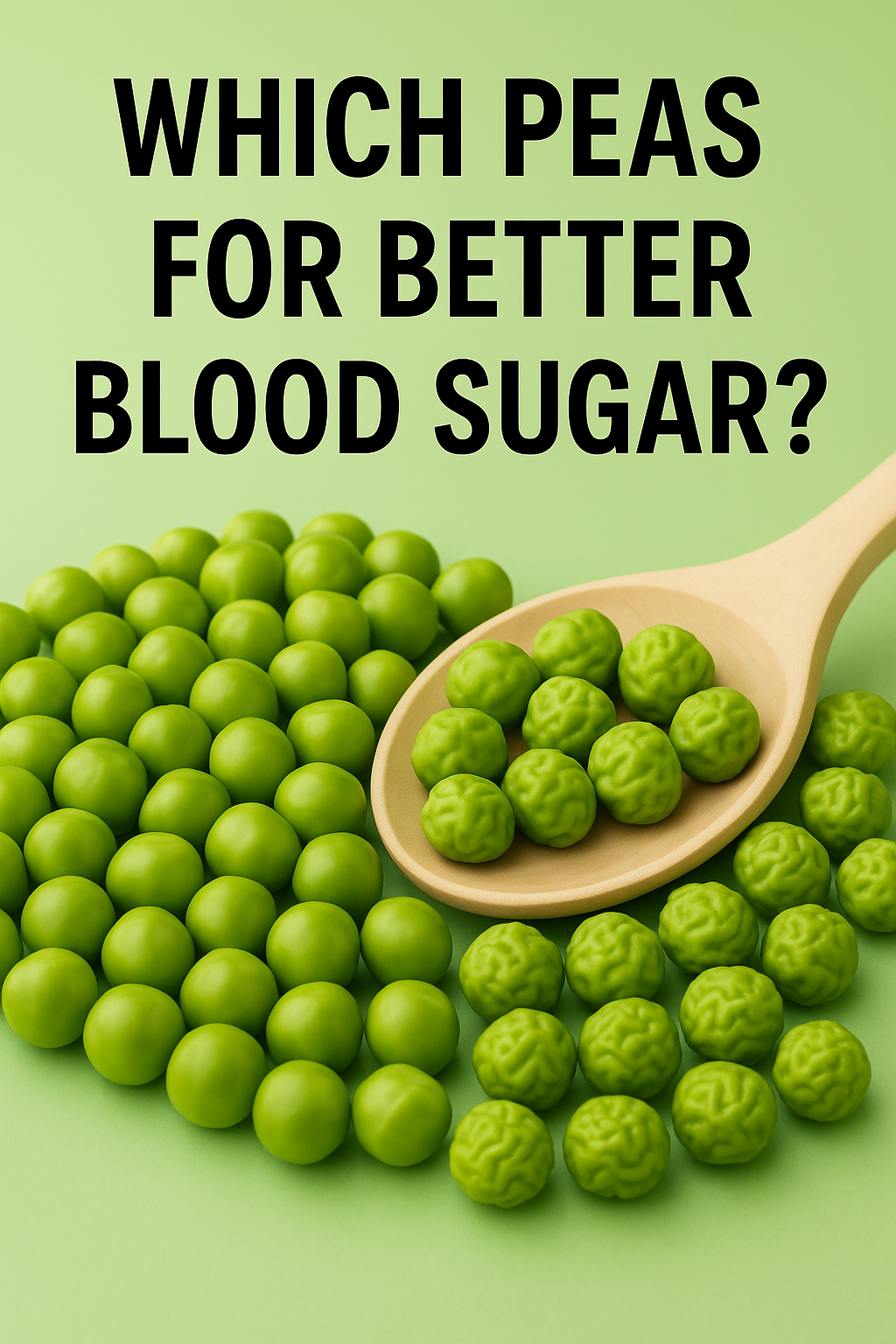
A study in Nature Food shows that wrinkled peas with resistant starch prevent blood sugar spikes—which could help lower the risk of type 2 diabetes.
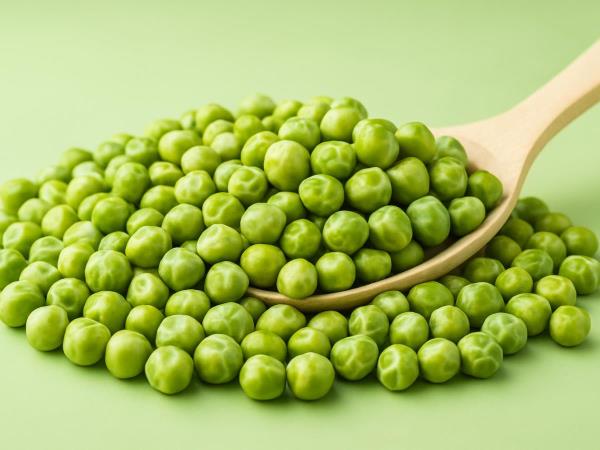
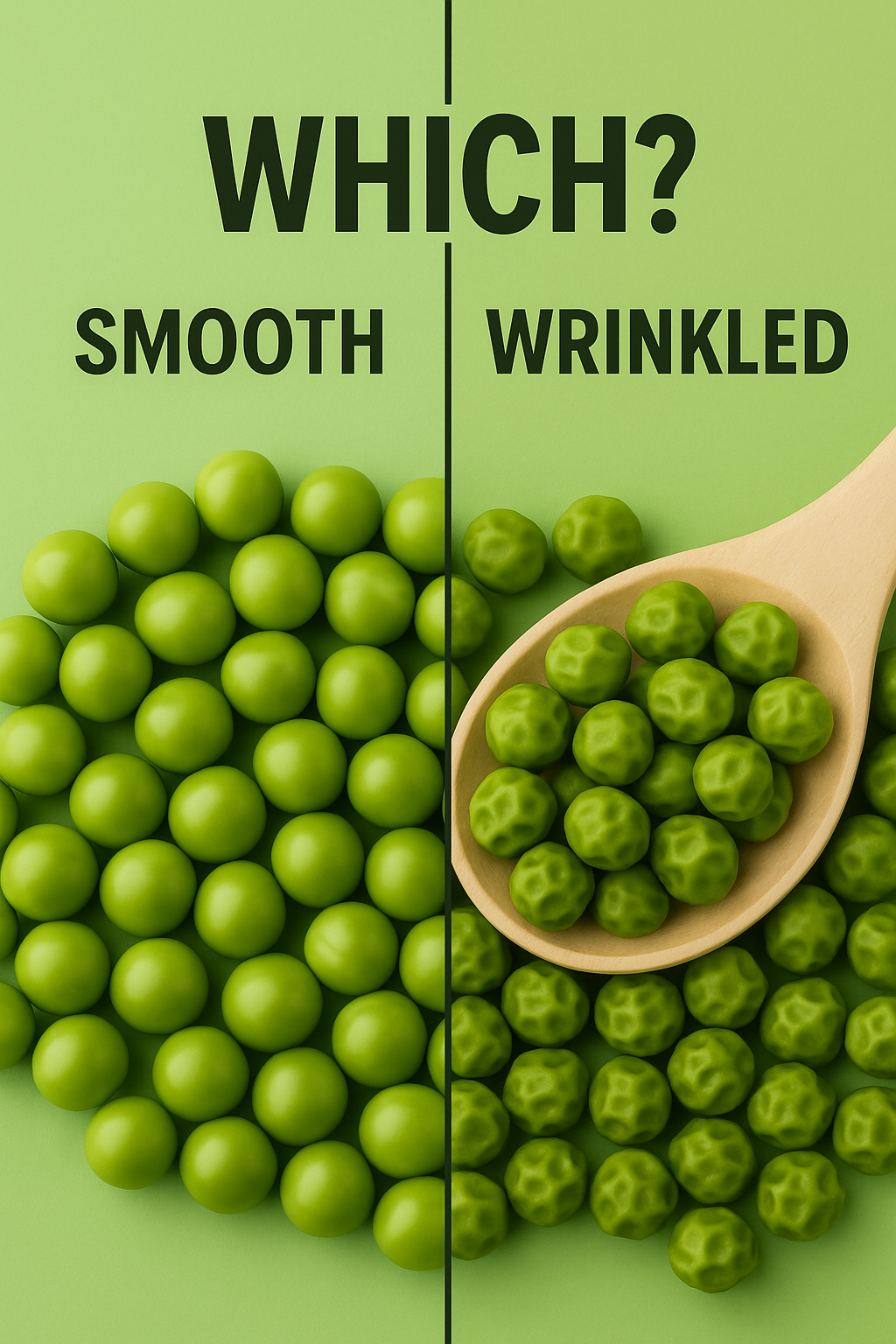
We must say right away: not all peas are the same. There are several types of peas! Especially interesting is the variety of peas with wrinkled grains, which has something truly special: resistant starch.
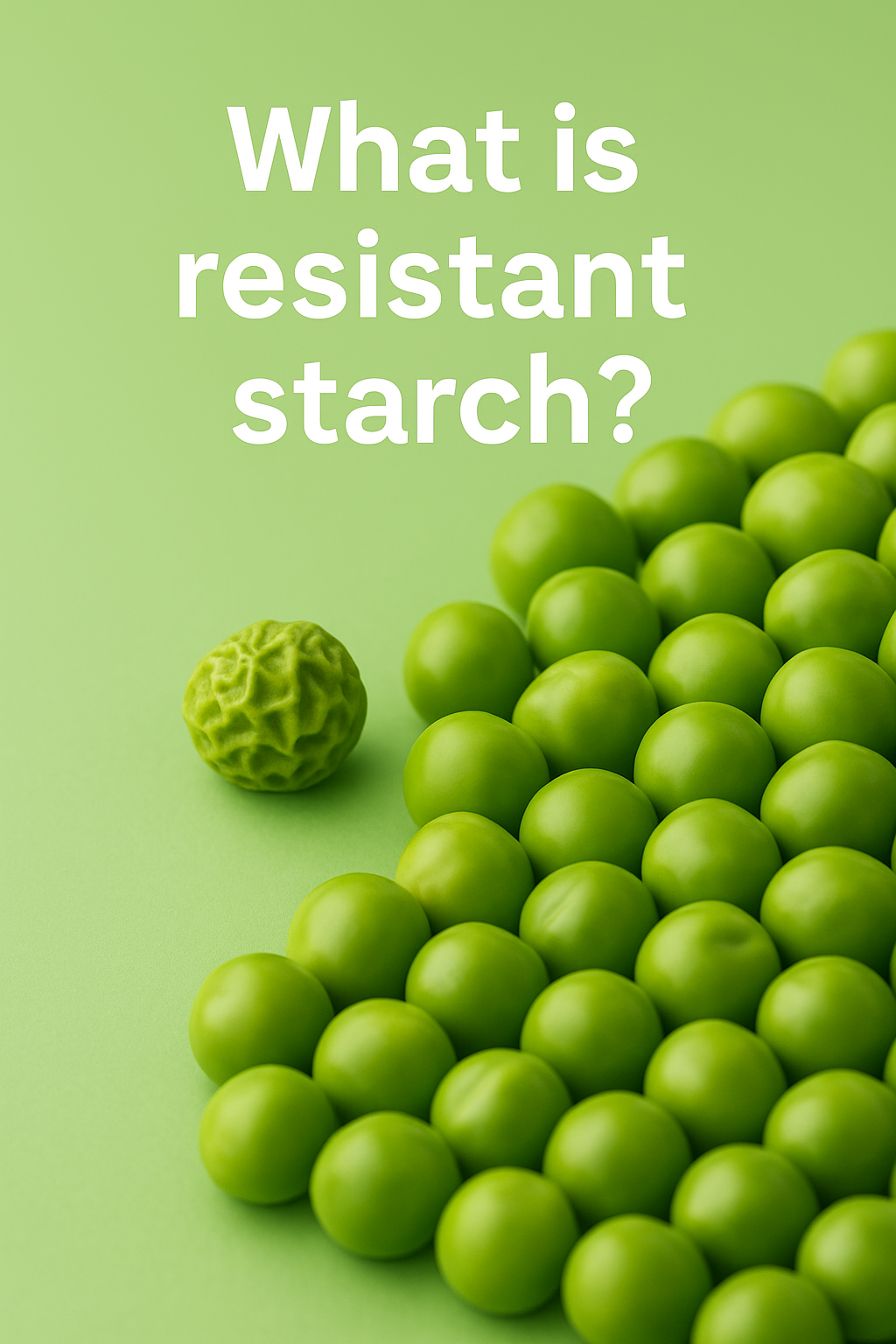
What is resistant starch?
Resistant starch is a type of carbohydrate that behaves in the body more like fiber than sugar. When we eat it, it doesn’t enter the bloodstream like regular starch (for example, from white bread or pasta), but travels to our digestive system, where it is picked up by beneficial bacteria in the large intestine and used as food. This process is called fermentation—a natural breakdown of food with the help of bacteria.
And why is this important? Because during fermentation, substances are created that help regulate blood sugar levels, stimulate insulin production and improve the functioning of the gut microbiota—the entire community of bacteria in our intestines—which affects almost everything: from mood to immune system and metabolism.
What do studies say?
One of the most recent studies, published in the scientific journal Nature Food, showed that meals with wrinkled peas can contribute to more stable blood sugar levels. In the study, volunteers consumed 50 grams of wrinkled peas in various forms—as part of a mixed meal, hummus, or porridge. Interestingly, the same volunteers also tried regular, smooth peas—the ones we usually know from the store or in a can.
The results?
Meals with wrinkled peas caused a smaller rise in blood glucose after meals. This means the body didn’t experience as much of a sugar shock, which is often the starting point for developing diabetes.
To help you better understand why this is important: every time we eat something with a high glycemic index (e.g., white bread, rice, potatoes), our blood sugar quickly jumps up. This forces the body to release more insulin—the hormone that puts sugar into our cells. If this happens often, insulin resistance can develop, which is the first step to type 2 diabetes. According to the World Health Organization, this disease is expected to affect more than 700 million people by 2045.
What does the gut microbiota say?
In the study, researchers used microscopic tracers to follow how peas are digested in the body. They discovered that resistant starch from wrinkled peas also affects the composition of the gut microbiota. This change has long-term effects: it’s not just about lower blood sugar after one meal, but about overall metabolic improvement. In some volunteers, after four weeks of regular consumption of pea hummus and porridge, changes were observed in the gut bacterial balance, which may mean long-term benefits for the heart, weight, and even mood.
Preparation matters too
Interestingly, researchers took it another step further. They tried to mimic the workings of the human gut in the lab and found that the method of pea preparation plays an important role. Peas that were prepared a certain way (cooked and then mashed or fermented into hummus) were digested more slowly. This is crucial, as slower sugar release means more stable blood glucose levels and less strain on metabolism.
In the test, they compared how the body digests peas that were cooked and cooled versus those that were freshly cooked and hot. Surprisingly, cooled peas caused up to 35% less increase in blood sugar compared to hot ones. This happens because of a phenomenon called starch retrogradation, where part of the starch becomes more resistant upon cooling. In other words: sometimes a cold dinner is better than freshly cooked!
What does this mean for you?
If you have diabetes in your family, are overweight, inactive, or over 45 years old, you are at greater risk of developing type 2 diabetes. According to the National Institute of Public Health, in Europe, about 15% of the population already has diabetes or is in the so-called pre-diabetic phase, where blood sugar is already slightly elevated, but the disease is not yet fully developed. That’s not a small number.
That’s why it makes sense to include more foods with a low glycemic index, rich in fiber and resistant starch, in your diet. Peas with wrinkled grains are an excellent ally here. Especially if you prepare them as hummus, soup, or a cooled salad.
Fun Fact
Wrinkled peas are not a new genetically modified variety, but a natural variation, first noticed in the 19th century by the famous monk Gregor Mendel, the father of genetics. He was the one who first described inheritance of traits by observing cross-breeding of peas.
And now, almost 200 years later, science is once again proving what an incredible gift of nature this plant is.
How to include it in your diet?
Very simply. Use it as a base for:
Thanks to the rich protein content (about 5 g per 100 g of cooked peas), fiber (up to 6 g), and digestion resistance, it will keep you fuller for longer, without causing large blood sugar swings.
Conclusion
The story of peas is a story of how a simple, accessible, and traditional food can become a modern ally in the fight against one of the most common diseases of our time. Research shows that even 50 grams of wrinkled peas a day, prepared in the right way, can significantly lower the glycemic response after meals.
So if you want to do something good for yourself, especially if you have problems with your energy, well-being, or are worried about what the future brings, take a moment and look at your plate. You might find that the humble pea surprises you more than you thought.
Information on this website is for educational purposes only and is not medical advice.
What is resistant starch?
Resistant starch is a type of carbohydrate that behaves in the body more like fiber than sugar. When we eat it, it doesn’t enter the bloodstream like regular starch (for example, from white bread or pasta), but travels to our digestive system, where it is picked up by beneficial bacteria in the large intestine and used as food. This process is called fermentation—a natural breakdown of food with the help of bacteria.
And why is this important? Because during fermentation, substances are created that help regulate blood sugar levels, stimulate insulin production and improve the functioning of the gut microbiota—the entire community of bacteria in our intestines—which affects almost everything: from mood to immune system and metabolism.
What do studies say?
One of the most recent studies, published in the scientific journal Nature Food, showed that meals with wrinkled peas can contribute to more stable blood sugar levels. In the study, volunteers consumed 50 grams of wrinkled peas in various forms—as part of a mixed meal, hummus, or porridge. Interestingly, the same volunteers also tried regular, smooth peas—the ones we usually know from the store or in a can.
The results?
Meals with wrinkled peas caused a smaller rise in blood glucose after meals. This means the body didn’t experience as much of a sugar shock, which is often the starting point for developing diabetes.
To help you better understand why this is important: every time we eat something with a high glycemic index (e.g., white bread, rice, potatoes), our blood sugar quickly jumps up. This forces the body to release more insulin—the hormone that puts sugar into our cells. If this happens often, insulin resistance can develop, which is the first step to type 2 diabetes. According to the World Health Organization, this disease is expected to affect more than 700 million people by 2045.
What does the gut microbiota say?
In the study, researchers used microscopic tracers to follow how peas are digested in the body. They discovered that resistant starch from wrinkled peas also affects the composition of the gut microbiota. This change has long-term effects: it’s not just about lower blood sugar after one meal, but about overall metabolic improvement. In some volunteers, after four weeks of regular consumption of pea hummus and porridge, changes were observed in the gut bacterial balance, which may mean long-term benefits for the heart, weight, and even mood.
Preparation matters too
Interestingly, researchers took it another step further. They tried to mimic the workings of the human gut in the lab and found that the method of pea preparation plays an important role. Peas that were prepared a certain way (cooked and then mashed or fermented into hummus) were digested more slowly. This is crucial, as slower sugar release means more stable blood glucose levels and less strain on metabolism.
In the test, they compared how the body digests peas that were cooked and cooled versus those that were freshly cooked and hot. Surprisingly, cooled peas caused up to 35% less increase in blood sugar compared to hot ones. This happens because of a phenomenon called starch retrogradation, where part of the starch becomes more resistant upon cooling. In other words: sometimes a cold dinner is better than freshly cooked!
What does this mean for you?
If you have diabetes in your family, are overweight, inactive, or over 45 years old, you are at greater risk of developing type 2 diabetes. According to the National Institute of Public Health, in Europe, about 15% of the population already has diabetes or is in the so-called pre-diabetic phase, where blood sugar is already slightly elevated, but the disease is not yet fully developed. That’s not a small number.
That’s why it makes sense to include more foods with a low glycemic index, rich in fiber and resistant starch, in your diet. Peas with wrinkled grains are an excellent ally here. Especially if you prepare them as hummus, soup, or a cooled salad.
Fun Fact
Wrinkled peas are not a new genetically modified variety, but a natural variation, first noticed in the 19th century by the famous monk Gregor Mendel, the father of genetics. He was the one who first described inheritance of traits by observing cross-breeding of peas.
And now, almost 200 years later, science is once again proving what an incredible gift of nature this plant is.
How to include it in your diet?
Very simply. Use it as a base for:
- hummus (with olive oil, garlic, and lemon),
- pea soup (can be with added ginger and turmeric, which further stabilize blood sugar),
- vegetable salads with cooled peas,
- pea patties with chickpeas.
Thanks to the rich protein content (about 5 g per 100 g of cooked peas), fiber (up to 6 g), and digestion resistance, it will keep you fuller for longer, without causing large blood sugar swings.
Conclusion
The story of peas is a story of how a simple, accessible, and traditional food can become a modern ally in the fight against one of the most common diseases of our time. Research shows that even 50 grams of wrinkled peas a day, prepared in the right way, can significantly lower the glycemic response after meals.
So if you want to do something good for yourself, especially if you have problems with your energy, well-being, or are worried about what the future brings, take a moment and look at your plate. You might find that the humble pea surprises you more than you thought.
Information on this website is for educational purposes only and is not medical advice.
Author:
Zvone Stor
expert, nutritionist
expert, nutritionist
 Would you like to be informed about news on the website?
Just enter your e-mail
Resistant starch benefits
Wrinkled peas study
Stable blood sugar foods
Type 2 diabetes prevention
Gut microbiota health
Latest news

Why Do You Always Wake Up at the Same Time? Your Body Might Be Trying to Tell You Something
Read more >>

French Fries and Your Brain: What an 11-Year Study of 140,000 People Found About Fried Food and Mood
Read more >>
Selenium: The Tiny Mineral Your Body Can't Live Without — And Can Absolutely Have Too Much Of
Read more >>

A Spoonful of Coconut Oil on an Empty Stomach: The Quiet Morning Habit So Many People Swear By
Read more >>


Anemia on Your Plate: The Everyday Foods Quietly Helping — Or Sabotaging — Your Iron Levels
Read more >>

Why the Humble Egg Might Just Be Your Diet's Secret Weapon: 5 Reasons Nutritionists Keep Coming Back To
Read more >>

Yogurt, Banana or Citrus for Breakfast? Why Some "Healthy" Foods Can Backfire on an Empty Stomach
Read more >>



Why the Scale Won't Budge, Even On a Diet: The Overlooked Mineral Almost Nobody Talks About
Read more >>


Interaktive Widgets:
|

