




The Drinks You're Sipping Every Day That Pack More Sugar Than a Can of Coke
expert, nutritionist
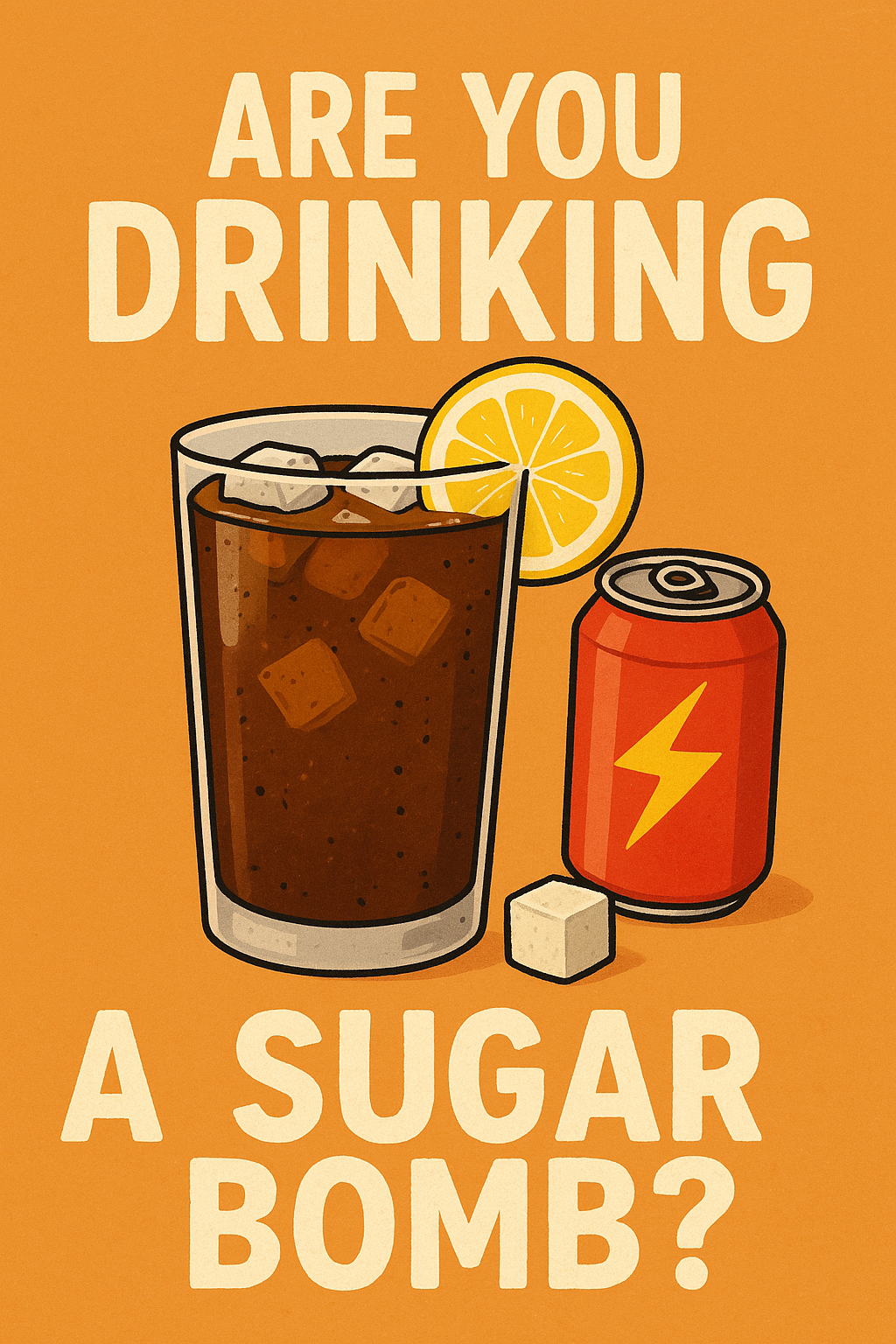
Here's the kind of fact that stops you mid-sip: a glass of pure, "natural" apple juice can carry around 115 calories, while the same amount of regular soda comes in at roughly 95. And that's just the beginning. Fizzy drinks get most of the bad press, and cutting them out is absolutely the right call {-15454}€” but they're far from the only liquid sugar traps hiding in your daily routine. The benchmark worth keeping in mind: a 12-ounce can of Coca-Cola contains about 39 grams of sugar {-15454}€” roughly 10 teaspoons, or about 78% of the recommended daily intake for an average adult. Several everyday drinks exceed that figure while wearing a health halo.
Flavored Coffee: The Sweetest Disguise
A plain cup of black coffee is virtually calorie-free and, in moderation, a perfectly reasonable part of your day. The moment it becomes a shop-bought flavored drink, though, the nutrition picture changes dramatically. Most people add only a teaspoon or two of table sugar to home-brewed coffee {-15454}€” about 4 to 8 grams {-15454}€” while many flavored coffee drinks have upwards of 30 grams of sugar, with a grande Starbucks Pumpkin Spice Latte containing 50 grams.
The scale of the problem across the entire coffee-shop category is striking. A UK nutritional advocacy organization, Action on Sugar, found that 98% of the 131 different hot flavored drinks it surveyed at popular coffee-shop chains would receive a "red" label for exceeding 13.5 grams of sugar per serving, and more than 55% equaled or exceeded the World Health Organization's maximum daily recommended sugar intake of 30 grams. The worst offender on that list clocked in at a staggering 99 grams of sugar; a large chai latte from Costa Coffee came in second at nearly 80 grams, followed by a white chocolate mocha with whipped cream at 73.8 grams.
The preservatives, artificial colors, and flavor enhancers that typically accompany industrial coffee drinks are a separate concern altogether. If you want to add something to your coffee at home, plain milk is by far the simplest and most nutritious choice.
As Foodwhisper has noted separately, Sweetened drinks and the thyroid: what happens to your hormones when you reach for lemonade every day {-15454}€” frequent consumption of sweetened drinks can irritate the thyroid and cause long-term hormonal disruption. It's one more reason to be specific about which drinks you count as "healthy."
Fruit Juice: The Vitamin Wrapper Around a Sugar Hit
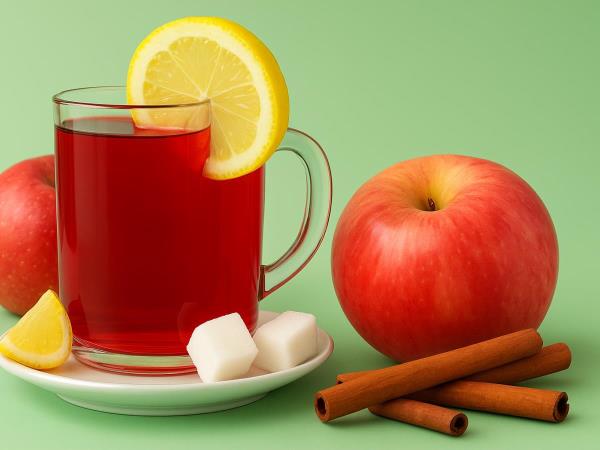
Fruit juice enjoys an almost unassailable healthy reputation, but the numbers tell a different story. One cup of apple juice typically contains around 24 grams of sugar {-15454}€” approximately 48% of the recommended maximum daily intake of sugar for an adult. Scale that up to a larger glass and a 12-ounce (355 ml) serving of 100% apple juice delivers around 40 grams of sugar and roughly 10 teaspoons' worth. Orange juice is only marginally better: a 300 ml glass of orange juice contains about 27 grams of sugar and 135 calories.
According to USDA FoodData Central, fruit juices concentrate the natural sugars of the fruit without the fiber that would normally slow their absorption {-15454}€” one reason nutritionists increasingly group 100% juice with other sugary drinks when counting calories. One standard glass of apple juice uses approximately 2{-15454}€“3 medium apples but contains 42% more sugar than a single whole apple and nearly zero fiber, and fiber in whole fruit slows sugar absorption, making juice a faster sugar spike.
The practical takeaway is straightforward: drink a glass of water and eat a fresh apple instead. You'll get the fiber, the vitamins, and a far gentler effect on your blood sugar {-15454}€” and you'll stay fuller for longer. For a genuinely low-sugar homemade alternative, see Foodwhisper's guide to Carrot, Cucumber, Apple, and Parsley: A Simple Juice That May Help You Feel Fuller for Longer.
Flavored Milk: A Hidden Daily Habit
Flavored milk is easy to underestimate because milk itself carries a healthy image. A 2018 analysis of more than 90 popular chilled flavored dairy milks found that a carton can contain as much sugar as a can of soft drink, with many bestselling brands containing more than a day's worth of added sugar in a single serving. A 300 ml serving of strawberry or banana flavored milk typically contains around 20 grams of sugar and upward of 250 calories {-15454}€” which looks more manageable than a soda until you remember that people tend to drink flavored milk freely throughout the day: with breakfast cereal in the morning, as a midday snack, and sometimes again in the evening.
The better habit: pour a glass of plain milk and eat a fresh piece of fruit alongside it. You'll get real nutrients {-15454}€” calcium, protein, and natural fruit fiber {-15454}€” without the added sweeteners. If you enjoy blended drinks, make your own smoothie so you control every ingredient.
Iced Tea: The Biggest Surprise on the List
Iced tea may be the stealthiest entry on this list, because "tea" sounds inherently virtuous. Most commercial iced teas contain too much sugar {-15454}€” on average 6 to 7.5 grams per 100 ml {-15454}€” while the World Health Organization recommends a daily sugar intake of no more than 25 to 30 grams. That means a single standard bottle can push you to or past your entire daily limit before lunch.
A 20-ounce bottle of popular branded iced tea contains nearly 60 grams of sugar, while a 12-ounce Coke has 39 grams. When calculated per ounce, some iced teas actually exceed soda's sugar concentration, delivering up to 3 grams of sugar per fluid ounce. Green tea varieties are no safer: many bottled green teas are just as loaded with added sugar as their black-tea counterparts, as Consumer Reports notes. If part of the reason you drink iced tea is to get antioxidants, be warned: "Bottled teas are very low in antioxidants compared to freshly brewed tea."
Making your own iced tea is simpler than it sounds, and it puts you entirely in control. If you want a touch of sweetness, use honey or {-15454}€” even better {-15454}€” a small amount of pure maple syrup, both of which have a more complex flavor profile and can be used more sparingly than refined sugar. Bottled iced tea almost always contains more sugar, whereas homemade iced tea allows you to control the exact ratio.
Liquid Calories Add Up Faster Than You Think
Most people consume between 200 and 500 calories a day just from drinks {-15454}€” including fruit juices from cartons, carbonated drinks, alcohol, and coffees with milk and sugar. If you replace just two glasses of juice per day with water, you'll consume 3,000 to 5,000 fewer calories in a month {-15454}€” the equivalent of almost half a kilogram of fat.
One useful habit: always check the label for per-bottle sugar content, not just per serving. Many companies list nutrition facts for unrealistic portion sizes {-15454}€” a 20-ounce bottle might show stats for an 8-ounce serving, requiring you to multiply by 2.5 for an accurate sugar calculation. The WHO advises that adults consume no more than 25 grams (about 6 teaspoons) of added sugar daily for optimal health. That's a target many popular drinks blow past in a single serving.
For a broader look at how sugary drinks affect your body beyond just calories, Foodwhisper's article When you quench your thirst with the wrong drink: why carbonated beverages, juices and energy drinks do not quench thirst explains why these drinks can actually make you more thirsty {-15454}€” and why water remains the only drink that truly rehydrates you.
The Simple Swap That Makes the Biggest Difference
- Instead of flavored coffee: brew black coffee or a flat white at home; if you need sweetness, a small dash of plain milk goes a long way.
- Instead of fruit juice: eat the whole fruit and drink a glass of water alongside it {-15454}€” you'll get the fiber that the juice strips away.
- Instead of flavored milk: choose plain milk and pair it with a piece of fresh fruit for natural sweetness.
- Instead of bottled iced tea: brew your own and sweeten lightly with honey or maple syrup {-15454}€” or drink it unsweetened once you've adjusted to the taste.
None of these swaps require willpower so much as awareness. Once you know that a bottle of lemon iced tea can carry more sugar than a can of Coke, it becomes much easier to reach for water instead.
Information on this website is for educational purposes only and is not medical advice.
expert, nutritionist
 Would you like to be informed about news on the website?













|

