




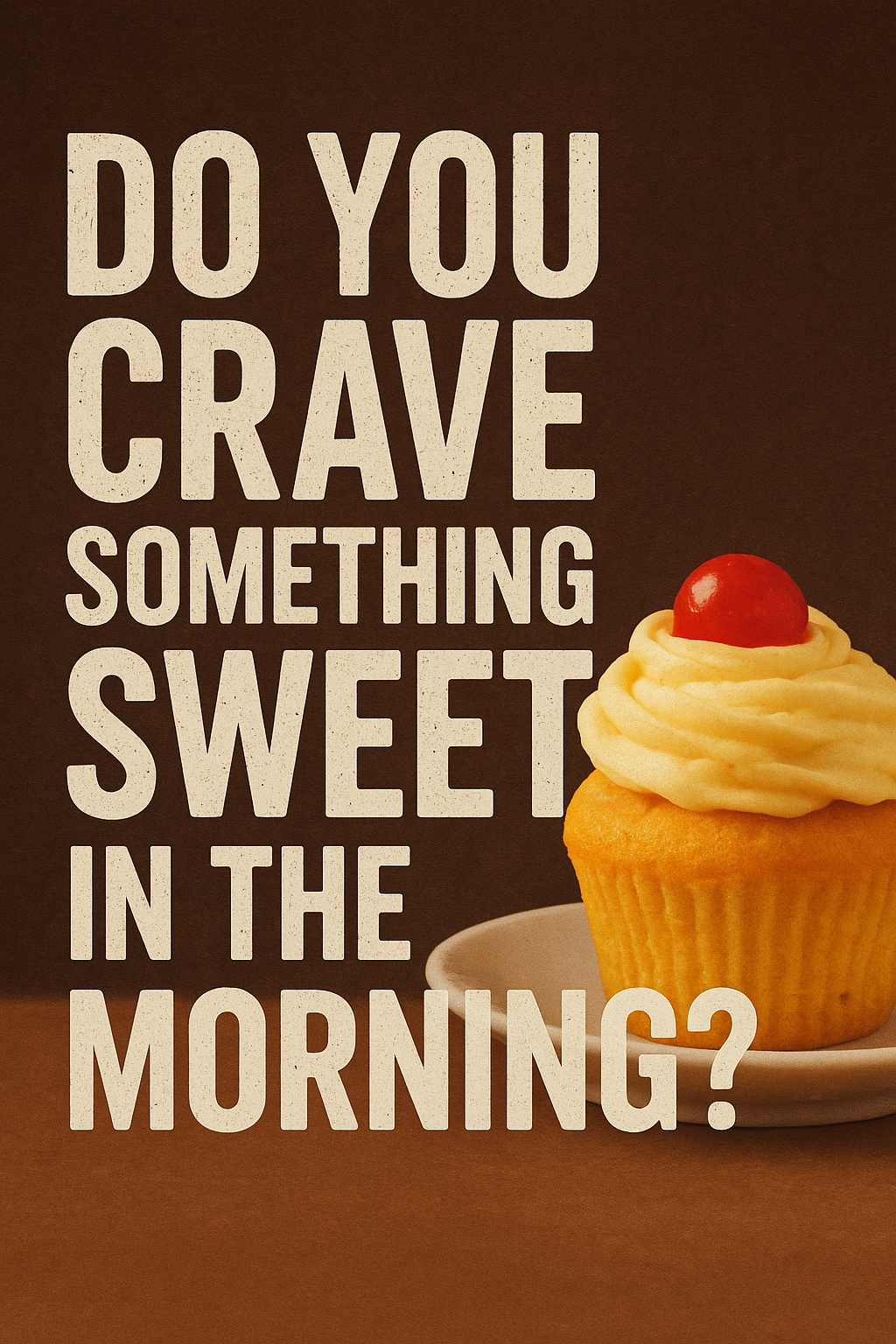


Why Do You Crave Sweets in the Morning? Your Body Is Sending You a Clear Signal – and the Reason May Surprise You
expert, nutritionist
You open your eyes, and before your feet even touch the floor, one thought is already there: something sweet. A biscuit, a croissant, a spoonful of jam straight from the jar. If this sounds familiar, you are far from alone, and it probably has little to do with weak willpower. Stress, a short night or an empty stomach can all push the body toward the fastest fuel it knows. A morning craving for sugar is not simply a vice. It is often a small alarm bell, and once you understand what sets it off, it becomes much easier to switch off.
Many people noticed this pattern during the pandemic, when stress, uncertainty and broken routines brought sweet snacks into everyday life. For a lot of us the habit never quite left, and today's fast pace of life keeps it going.
Even Hollywood Knows the Feeling
Actress Sof{-15443}a Vergara has spoken openly about it. In an interview with People magazine, she admitted to an addiction to sweets and said she had tried many ways to break it, even hypnosis, without success. If one of the world's best-known TV stars struggles with sugar, the rest of us can stop blaming ourselves and start looking for the cause.
A British TV actress described a pattern many readers will recognize. As a busy mother of three young boys, she would wake up low on energy, open a can of cola first thing in the morning, and the sugar would carry her through the rest of the day. When she finally cut back, she felt groggy at first, but within days she began to feel better. Many people describe exactly the same cycle: a tired start, a sweet "rescue", a crash before lunch, and then another sweet rescue.
Low Blood Sugar: When the Body Drains Its Batteries Overnight
When blood sugar (glucose, the main fuel for the brain) drops too low, the body reacts much like a phone flashing a red battery warning: quick, get energy! The easiest energy to grab is sugar.
According to Cleveland Clinic, for most people with diabetes, low blood sugar (hypoglycemia) means a level below 70 mg/dL (3.9 mmol/L). For most people without diabetes, the threshold is lower, at around 55 mg/dL (3.1 mmol/L). It is worth knowing that true hypoglycemia in people without diabetes is uncommon. For most healthy adults, a morning sweet tooth is more about a long overnight fast, habits, stress and sleep than about dangerously low blood sugar.
What does low blood sugar actually feel like?
- sudden hunger
- shakiness or trembling
- mild anxiety or a sense of panic
- sweating
- weakness and dizziness
- an "odd" tingling feeling around the lips or tongue
Low blood sugar can also happen during sleep. Cleveland Clinic notes that nighttime lows may show up as restless sleep, sweating through your sheets or nightmares. This is one reason some people wake up with an intense craving for something sweet. Traditional folk healers have long recommended sage tea sweetened with a little honey for such mornings. It is a comforting ritual, although it has not been studied as a treatment.
What can you do at home?
- 1 tablespoon of honey, a natural source of quick energy
- a piece of apple or a banana
- a cup of warm tea with a teaspoon of local honey
Honey is more than just sugar. Scientific reviews describe it as containing around 200 different substances, including antioxidants, enzymes and natural sugars. It is still a sugar, however, so the amount matters. For a practical guide, read Foodwhisper's Honey Is Healthy – But Only Up to a Point: How Much Can You Eat a Day Without Overdoing It?
Important: People who live with diabetes should follow the plan agreed with their doctor for treating low blood sugar. Cleveland Clinic describes the commonly used "15-15 rule": about 15 grams of fast-acting carbohydrates, then a recheck after 15 minutes.
Did you know? Many nutritionists suggest that a small evening snack containing some protein, such as a few spoonfuls of plain yogurt, may help some people feel steadier overnight and less ravenous in the morning.
The Brain Quickly Gets Used to a "Morning Reward"
Many people never notice this. If every day starts with a croissant, sweetened juice or sugary cereal, the brain learns a simple pattern: morning = sweet. That is not a pattern you want. The reason lies in dopamine, the so-called "reward hormone" the brain releases in response to sugar, praise or a hug.
A study published in the journal Cell Metabolism by researchers from the Max Planck Institute for Metabolism Research and Yale University showed how quickly this can happen. Volunteers added a high-fat, high-sugar yogurt to their usual diet every day for eight weeks. By the end, they liked lower-sugar and lower-fat foods noticeably less, and their brain's reward centers responded more strongly to sweet, rich treats, even though their weight barely changed. It is as if the brain said: yesterday one square of chocolate was enough, today I want three.
How can you keep a sweet morning from becoming a habit?
- start the day with a glass of warm water with lemon, an old folk trick for a "reset"
- include fiber-rich vegetables throughout the day
- choose eggs, or oatmeal with walnuts, instead of croissants
If you want to look more closely at what ends up on your breakfast table, see Foodwhisper's 4 Healthy Breakfast Foods Nutritionists Quietly Avoid - Even Though Millions Eat Them Every Day and Why is it dangerous to eat these foods for breakfast. For a simple, filling alternative, try Breakfast for more energy before a physically demanding day.
As the old saying goes: build your morning on solid ground, and your day won't fall into a sugar pit. It is worth keeping in mind.
Too Little Food: When the Body Works Through the Night Without Fuel
If you skip dinner or eat too little, you may wake up feeling "empty". The brain then takes the shortest route: sugar. It knows that sugar raises energy faster than vegetables or protein. Many people who go to bed hungry also report restless sleep and waking during the night, and the morning that follows often starts with a raid on the cookie jar.
That is why many nutritionists suggest a small, light snack before bed if you are genuinely hungry:
- a spoonful of walnuts or almonds
- Greek yogurt with a little honey
- carrot or cucumber sticks with a teaspoon of homemade hummus
Nuts are a popular choice, but portion size still matters. Read more in Foodwhisper's A Handful of Almonds a Day – Health Boost or Hidden Trap? 7 Truths Worth Knowing.
Our grandmothers used to say: go to bed satisfied, but never stuffed.
Stress: Sugar as Comfort for the Nerves
When we are under stress, the body releases more cortisol, the hormone that prepares us for "fight or flight". Cortisol signals to the brain that it urgently needs energy, and sugar is always the first idea that comes to mind.
Science supports this everyday observation. In a laboratory study published in Psychoneuroendocrinology, women who released more cortisol in response to stress went on to eat more sweet food than those whose cortisol stayed lower. Harvard Health Publishing explains that ongoing stress and high cortisol can increase appetite and the desire for sugary, fatty "comfort foods". The long morning queues outside bakeries tell the same story. For a closer look at how blood sugar and chocolate cravings are connected, read Foodwhisper's When Blood Sugar Becomes an Excuse for Chocolate: What British Researchers Discovered.
Folk remedies for stress are very simple:
- a cup of lemon balm or chamomile tea
- petting a pet: in a study at Washington State University, published in AERA Open, students who spent just 10 minutes petting cats and dogs had significantly lower levels of the stress hormone cortisol
- 5 slow, deep breaths before you get out of bed
The old healers believed: whoever breathes calmly is never ruled by sugar.
Too Little Sleep: Tiredness Goes Looking for Sugar
When sleep is short, the appetite changes. In a well-known study at the University of Chicago, published in the Annals of Internal Medicine, healthy young men who slept only about four hours for two nights reported that their appetite for calorie-dense, high-carbohydrate foods such as sweets, cookies and cake rose by 33 to 45 percent.
The same study helps explain why. Poor sleep disrupts two key hormones, leptin and ghrelin. Leptin tells us when we are full, and ghrelin triggers hunger. After short sleep, ghrelin rose and leptin fell, and the craving for sweets surged. Researchers at the University of California, Berkeley later showed in Nature Communications that after a sleepless night the brain's decision-making regions become less active, while deeper reward-driven areas become more active. The body seems to reason: if I can't rest, I'll eat. Read more in Foodwhisper's When you sleep too little, your belly grows.
Before bed, it is worth trying a few time-honored habits:
- a cup of hops or lavender tea about an hour before sleep
- switching off screens at least 60 minutes earlier
- keeping the bedroom as dark as a cellar, which supports the body's natural melatonin rhythm
In the countryside they used to say: calm down in the evening like a forest, so you won't go hunting for sugar like a bear in the morning.
Herbs and Foods That May Help Tame the Morning Sweet Tooth
- Cinnamon: a meta-analysis in the Annals of Family Medicine found that cinnamon was associated with modestly lower fasting blood sugar in people with type 2 diabetes. Results vary between studies, and common cassia cinnamon contains coumarin, so a sprinkle on oatmeal is a better idea than large daily amounts.
- Ginger: a warming spice traditionally used to support digestion, and many people find a warm ginger drink helps them feel satisfied in the morning.
- Apple cider vinegar: in a small pilot study at Arizona State University, published in Diabetes Care, adults with type 2 diabetes who took two tablespoons of apple cider vinegar with a little cheese at bedtime had somewhat lower waking blood sugar, by around 4 to 6 percent. Always dilute it in water. More in Foodwhisper's A Spoonful a Day Keeps the Doctor Away? 12 Reasons Apple Cider Vinegar Is the Hidden Treasure of Your Kitchen.
- Flaxseed: provides fiber and plant-based omega-3 fats, both of which help meals feel more filling.
Note: Anyone taking medication for diabetes or blood thinners should talk to their doctor before regularly using larger amounts of cinnamon or vinegar, as they may affect blood sugar.
A Simple Morning Ritual
Old folk rituals for starting the day are built on simple recipes:
- a warm drink with lemon or ginger
- three deep breaths before getting out of bed
- a spoonful of walnuts or almonds
...and only then breakfast.
When to Talk to a Doctor
It is important to recognize warning signs so you know how and when to react. If the following symptoms keep coming back, especially for more than three days in a row, it is a good idea to have your blood sugar checked by a doctor:
- strong shakiness or trembling
- night sweats
- a feeling of fear or confusion
And finally, there is no need to worry. A morning craving for something sweet is usually just your body's way of telling you that something is out of balance: sleep, stress, or the dinner you skipped. Listen to it kindly, give it what it really needs, and the sweet alarm will often go quiet on its own.
Information on this website is for educational purposes only and is not medical advice.
expert, nutritionist
 Would you like to be informed about news on the website?















|

