





Is Your Diet Quietly Undermining Your Hemp Oil? What Most People Don't Know
expert, nutritionist
You bought the pricey cold-pressed bottle. You take a spoonful every morning, maybe drizzle it over your salad at lunch. And after a few weeks you feel exactly the same. Before you blame the hemp, take an honest look at what else is on your plate. That is where the real story usually lies, and most people never think to check.
Hollywood actor Woody Harrelson is probably the best-known example of someone who made hemp part of a much bigger picture. He has followed a plant-based diet for more than three decades, and in 1996 he famously planted four hemp seeds in Kentucky to challenge the state's hemp laws. In an interview with Fantastic Man, he described a typical breakfast: fresh fruit such as mango and berries topped with a green sauce made of spirulina, almond butter and hemp seeds. He has often said that he changed his diet not for moral reasons at first, but because he simply felt more energetic. For him, hemp was never a magic potion. It was one ingredient in a way of eating built around fruit, vegetables, nuts and seeds.
Hemp oil in the kitchen: simple and safe
Hemp oil that we use as an addition to our meals is not problematic, as we consume it much like any other oil. Its mild, nutty flavour works beautifully in salad dressings, dips, smoothies and over cooked vegetables. However, as soon as we expect hemp oil to noticeably improve our health, things are not quite so simple, because no single food works in isolation. What you eat with it, and what you eat the rest of the day, matters at least as much as the oil itself.
One practical tip that many people overlook: hemp oil should never be heated. It is more than 90 percent unsaturated fat, which is why suppliers advise against using it for frying, as NutraIngredients reported. Heat damages its delicate fatty acids. Keep it in a dark bottle in the fridge, and add it to food only after cooking.
Meat, dairy and white flour: do they really "cancel out" hemp oil?
Some advocates of natural nutrition recommend removing all animal protein from the diet while using hemp oil, meaning no meat at all, with only fish and seafood allowed. They also advise against white flour, sugar, cheese, milk and all dairy products.
To be clear: there is no scientific evidence that any of these foods chemically "switch off" hemp oil. Your body will absorb its fatty acids whether you had cheese for breakfast or not. Still, the advice is not entirely without logic, because the overall pattern of your diet shapes how you feel far more than a single spoonful of oil:
- Processed meat such as sausages, salami and bacon is worth limiting. The International Agency for Research on Cancer (IARC) has classified processed meat as carcinogenic to humans, while red meat was classified as probably carcinogenic.
- Fish and seafood are an excellent match for hemp oil. Hemp provides plant omega-3 (ALA), while oily fish provide EPA and DHA, the forms the body uses most directly. You can read more in our article Can you take omega-3 fatty acids if you have gout?
- White flour offers little fibre and few micronutrients compared with whole grains. Swapping it for wholegrain alternatives is one of the simplest upgrades you can make, as explained in The Secret Weapon Against Stubborn Weight: Is Fiber the One Thing Missing From Your Diet?
- Dairy is not forbidden by any nutritional guideline. Whether you include it is a personal choice. If you do, plain, unsweetened yogurt and fresh cheese are better choices than heavily sweetened or processed products.
If you would like to eat more plant protein without giving up everything you enjoy, our article Plant Proteins for a Longer Life offers a gentle place to start.
What about sugar?
The original advice often heard alongside hemp oil is to avoid beet sugar, while cane sugar is allowed and 100 percent stevia is even recommended. In reality, refined beet sugar and cane sugar are both sucrose, and your body treats them the same way. What matters is how much you eat. The World Health Organization recommends keeping free sugars below 10 percent of daily energy intake, and ideally below 5 percent. Pure stevia can be a useful sweetener for those who want to cut back, as long as you choose products without added fillers.
"Food for cancer cells": a myth worth retiring
You may have read that sugar, meat and dairy are "food for cancer cells." This claim circulates widely online, but leading cancer organisations reject it. Cancer Research UK explains that there is no evidence that cutting carbohydrates helps treat cancer, and that every cell in the body, healthy or not, uses glucose. The reason experts still advise eating less sugar is indirect: a diet high in sugar can contribute to weight gain, and excess body weight is linked to a higher risk of several types of cancer. People undergoing cancer treatment should never restrict their diet without speaking to their medical team.
What goes beautifully with hemp oil
Hemp oil pairs perfectly with rye bread, but not the kind from the supermarket, where rye flour sometimes makes up less than half of the loaf. Check the label, or buy from a bakery that uses mostly whole rye flour. Our article How do 2 weeks without bread and pasta bring your liver to its senses? explains why rye is a smarter choice than white bread.
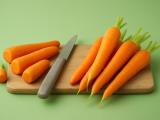
Fresh fruit and fresh vegetables are the other natural partners. Fat-soluble nutrients such as beta-carotene are better absorbed when eaten with a little fat, so a carrot salad dressed with hemp oil is a small but clever combination, as we described in Foods to Beat Spring Fatigue. For more inspiration, see 7 types of vegetables that heal the body.
A few easy ideas:
- A slice of real rye bread with avocado, tomato and a few drops of hemp oil.
- Steamed vegetables finished with hemp oil, lemon juice and fresh herbs.
- A smoothie with berries, banana and a teaspoon of hemp oil or a spoonful of hemp seeds.
- Grilled fish served with a hemp oil and parsley dressing.
Most people find that one to two tablespoons a day is plenty. Hemp oil is pure fat, so even a healthy oil adds up quickly in calories.
Good to know about hemp
- A plant with thousands of uses. Hemp is used to make food, textiles, paper, cosmetics, building materials and even biodegradable plastics. Figures of more than 20,000 products are often cited, although such numbers are hard to verify. In the kitchen, the most useful products are cold-pressed oil, hulled seeds (hemp hearts), hemp protein and hemp flour, all made from industrial hemp varieties that do not cause a "high."
- Nutritious seeds. Hemp seeds are rich in minerals and fibre, and they contain easily digestible proteins with all the essential amino acids, according to a widely cited overview by J.C. Callaway, "Hempseed as a nutritional resource: An overview", published in the journal Euphytica. They are also a good source of vitamin E, several B vitamins, magnesium, phosphorus, iron and zinc. For a broader comparison with flax, chia and other seeds, read 5 of the Healthiest Seeds to Add to Your Diet.
- A rare fatty acid. Hemp seed oil contains gamma-linolenic acid (GLA), an omega-6 fatty acid that is found in relatively few foods. Other notable sources include borage, evening primrose and blackcurrant seed oils, and it is also present in human breast milk.
- A favourable omega balance. Hemp oil is not the richest source of omega-3 (flaxseed oil contains more), but it offers a well-balanced ratio of omega-6 to omega-3 of roughly 3:1, which many nutritionists consider desirable.
- Promising results for skin. In a small randomised crossover study from the University of Kuopio in Finland, "Efficacy of dietary hempseed oil in patients with atopic dermatitis" (Journal of Dermatological Treatment), participants who took hemp seed oil daily reported less skin dryness and itchiness and used less skin medication than when they took olive oil. The results are encouraging but preliminary, and the study was small.
- Hemp seed oil is not the same as cannabis oil. Culinary hemp oil is pressed from the seeds and contains only trace amounts of cannabinoids such as THC or CBD. Claims you may read about cannabis oil and serious illnesses refer to entirely different products. The best-established example is a purified CBD medicine, which the U.S. Food and Drug Administration (FDA) approved in 2018 for two rare, severe forms of childhood epilepsy. Research into cannabinoids for other conditions, including relief from nausea during chemotherapy, is ongoing, as summarised by the National Cancer Institute. These products are medicines, not foods, and should only be used under medical supervision.
Who should be careful
For most healthy adults, hemp seed oil used as food is well tolerated. Still, it is wise to talk to your doctor or pharmacist if you take blood-thinning medication, are pregnant or breastfeeding, or are considering CBD or other cannabinoid products, which can interact with a number of medicines. And if you are managing any medical condition, hemp oil should complement your treatment, never replace it.
The bottom line
By now it is probably clear that hemp is no miracle on its own. You don't need to become a strict vegetarian to enjoy what it offers, but you will likely get more from it if it is part of a varied diet built around vegetables, fruit, whole grains such as real rye bread, legumes, nuts, seeds and fish, with less processed meat, white flour and added sugar. If you pour a spoonful of the finest cold-pressed hemp oil over a plate of fried sausages and white toast, don't expect much to change.
And that is not hemp's fault...
Information on this website is for educational purposes only and is not medical advice.
expert, nutritionist
 Would you like to be informed about news on the website?









|

