


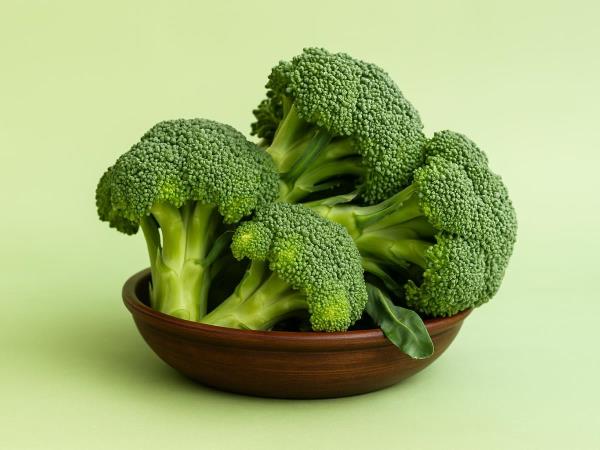





Five Foods Nutritionists Recommend for Everyone: Legumes, Tomatoes, Mushrooms, Prunes and Kale for Your Heart, Bones and More
expert, nutritionist
In one study, postmenopausal women who ate about five or six prunes a day for a year held on to their hip bone density, while women who ate none lost some. That humble dried fruit is one of five foods nutritionists keep recommending, and the list has been widening its audience for a while.
These foods were first recommended mainly for people over 50. Over time the advice was extended to people over 40, and today nutritionists consider them worth eating at any age. That makes sense, because feeling healthy is good for everyone, whatever their age.
1. Legumes
Beans, lentils, chickpeas and peas are some of the cheapest health foods in the shop. They are rich in protein, fiber, folate, iron and potassium. The fiber and protein together make them very filling, which helps if you're trying not to overeat.
The cholesterol benefit is well supported. A systematic review and meta-analysis of 26 randomized controlled trials, published in the Canadian Medical Association Journal, found that eating about one serving of pulses a day (a median of 130 g) significantly lowered LDL ("bad") cholesterol compared with control diets. The effect was modest, and the authors called for longer, higher-quality trials. Legumes also release their sugars slowly, which helps keep blood sugar steady. Foodwhisper covered that in Legumes Against High Blood Sugar and Fats.
Legumes contain some calcium too, but don't count on them for it. In comparisons of absorbable calcium, you would need several servings of white beans, and even more of red or pinto beans, to match the calcium your body absorbs from one glass of milk.
How to eat them: legumes are a great addition to vegetable soups and salads, and they work just as well as a main dish.
2. Tomatoes
Tomatoes are the best-known source of lycopene, the red carotenoid pigment that researchers study for its antioxidant properties. The trick is in how you eat them. Your body absorbs much more lycopene from cooked tomatoes than from raw ones.
In a human study published in the American Journal of Clinical Nutrition, tomato paste produced 2.5 times higher peak lycopene levels in the blood than the same amount of lycopene from fresh tomatoes. Fat helps as well. One clinical trial found that tomatoes cooked with olive oil raised blood lycopene more than tomatoes cooked without it. Foodwhisper has more on this in Boil the Tomato, Leave the Spinach Raw: What Heat Really Does to Your Food and The Kitchen Trick Your Body Is Begging You to Learn.
That is why a glass of tomato juice is one of the best things about winter, provided the juice is heat-processed. In an early study on tomato juice, blood lycopene rose only when people drank juice that had been boiled with a little oil. Unprocessed juice had no effect. In practice, that means commercial juice, passata, a simmered sauce or a bowl of tomato soup.
3. Mushrooms
In winter it's worth paying close attention to your daily intake of vitamin D. It helps your body absorb calcium and matters for both your bones and your immune system. The recommended intake for adults is 600 IU (15 mcg) a day up to age 70 and 800 IU (20 mcg) after that.
Mushrooms can help, but there's an important catch. As Harvard's Nutrition Source explains, most supermarket mushrooms are grown in the dark and contain little vitamin D. White button, shiitake and oyster mushrooms grown this way have less than 40 IU per 3.5-ounce (100 g) serving. Mushrooms exposed to UV light or sunlight are a different story, because a compound called ergosterol in the mushroom turns into vitamin D2. Wild mushrooms such as chanterelles and morels can reach up to 1,200 IU per serving. Look for packs labeled "UV-treated" or "high in vitamin D", or set sliced mushrooms out in the sun for a while before cooking.
Does the vitamin D from mushrooms actually count? In a small randomized controlled trial in young adults with low vitamin D levels, soup made with UV-B-treated button mushrooms improved vitamin D status about as well as a vitamin D2 supplement. Mushrooms contribute little calcium, though, so look for that elsewhere, for example in the kale below.
Mushrooms have been prized for their health effects in Chinese cooking and traditional medicine for centuries, and they appear in countless everyday dishes. Modern research on immunity is still early. In a four-week study of 52 healthy young adults, eating shiitake daily increased the activity of certain immune cells and lowered a marker of inflammation. The study was small, measured lab markers rather than how often people got sick, and was partly funded by the mushroom industry.
4. Prunes
Prunes have the best human evidence on this list for bone health. In the Prune Study, a 12-month randomized controlled trial, 235 postmenopausal women ate either no prunes, 50 g of prunes a day (about five or six) or 100 g a day. Total hip bone mineral density fell in the control group but was preserved in the 50 g group. A follow-up analysis found that prunes also preserved bone density and estimated bone strength at the shin bone, a weight-bearing bone.
A few details matter. More was not better. The 100 g group had a dropout rate of 41%, and its effect on hip density was not statistically significant. All participants also received calcium and vitamin D supplements as standard care, so the prunes worked alongside those nutrients rather than replacing them. And the study involved postmenopausal women only, so we can't assume the same results for men or younger people.
The original advice here was 5 to 10 prunes a day. Based on this research, five or six is the sensible target.
5. Kale
Kale is often called a calcium powerhouse, and you may have read that one cup covers 30% of your daily calcium. That figure doesn't hold up. According to the U.S. National Institutes of Health, a cup of raw chopped kale provides about 24 mg of calcium (2% of the Daily Value). A cup of cooked kale provides about 94 mg (7%). Adults over 50 need 1,000 to 1,200 mg a day.
What kale has going for it is quality rather than quantity. In a study of 11 women, the body absorbed calcium from kale slightly better than calcium from milk, because kale is low in oxalate. Spinach is high in oxalate, and its calcium is poorly absorbed. Kale is also an outstanding source of vitamin K, which plays a role in bone health. One cup of raw kale supplies about 94% of the Daily Value. It also adds vitamins A and C and potassium. If you take a blood thinner such as warfarin, keep your intake of vitamin K-rich greens steady rather than suddenly eating much more or much less.
A kitchen tip: leafy greens and broccoli stay fresh longer if you stand their stems in a glass of water in the fridge, like a bouquet of flowers. Give it a try!
Information on this website is for educational purposes only and is not medical advice.
expert, nutritionist
 Would you like to be informed about news on the website?















|

