





Buckwheat vs. Quinoa: Why a Humble Slovenian Field Crop Beats the World's Favourite Superfood
expert, nutritionist
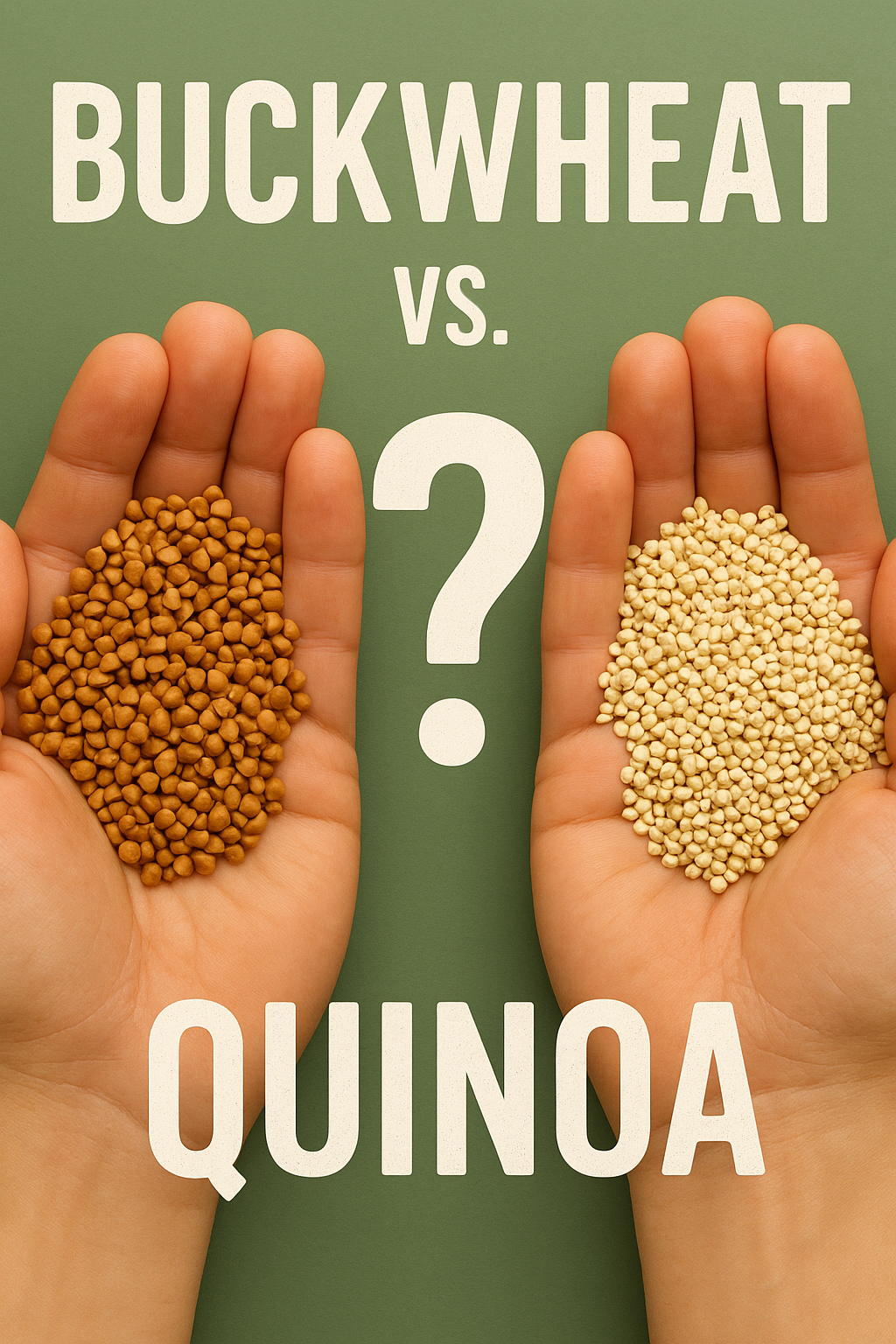
Here is the headline finding: buckwheat leads quinoa on antioxidant content by a wide margin. In a study published in Food Chemistry, buckwheat topped the rankings for phenol content, followed by quinoa, then wheat, and finally amaranth. A separate analysis found that buckwheat samples in DPPH and ABTS antioxidant tests reached 2{-15454}€“19 and 2{-15454}€“30 times higher values than quinoa samples, respectively. That's not a minor gap {-15454}€” it's the kind of difference that makes the price tag on quinoa genuinely hard to justify. And yet buckwheat has been growing quietly on Slovenian fields for centuries, mostly ignored by the global superfood conversation.
What Is Quinoa, Exactly?
The quinoa plant is native to the Andean region of South America, where it has been a staple crop for millennia. It is considered a pseudo-cereal because the plant belongs to the family of spinach and sugar beets {-15454}€” not a true grain at all. Quinoa has been grown in the Andes for over 7,000 years, and the last two decades have seen an explosion in its popularity all over the world.
Quinoa is considered a superfood because it contains all nine essential amino acids, is high in dietary fibre, and is a good source of various vitamins and minerals. It is also gluten-free and can therefore be enjoyed by people who are sensitive to gluten or wheat. There are hundreds of quinoa varieties, though only a handful are grown commercially for food; the variety mostly exported and cultivated in Europe today is "quinoa Real."
Cooking quinoa is straightforward: simmer for about 15 minutes, then leave the lid on for a further 5 minutes to let the grains fully absorb the water and fluff up. Rinse it first {-15454}€” it is necessary to wash out undesired compounds (saponins) before quinoa is consumed.
And What Is Buckwheat?
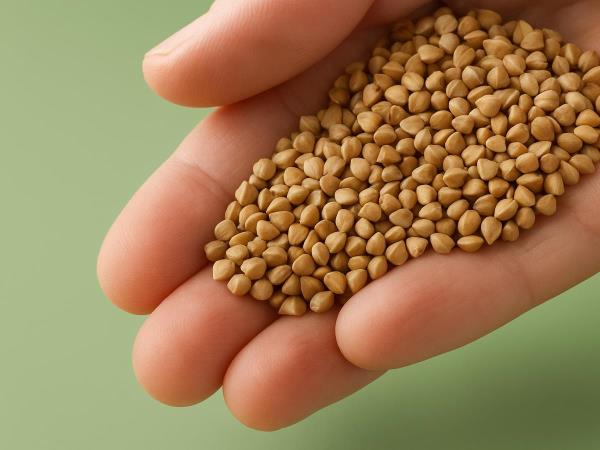
Buckwheat isn't technically a grain at all {-15454}€” botanically, it's closer to rhubarb than to wheat. Like quinoa, it is a gluten-free pseudocereal. Research on its composition highlights a genuinely impressive nutrient profile: buckwheat contains essential amino acids such as lysine, along with the plant antioxidant compounds rutin and quercetin, as well as iron, magnesium, and zinc. It cooks in roughly 15 minutes {-15454}€” the same as quinoa {-15454}€” and pairs beautifully with meat dishes, dairy, and desserts, making it an especially versatile ingredient for vegetarians.
Both Are Gluten-Free {-15454}€” and That Matters
Researchers suggest that adding quinoa or buckwheat to gluten-free products significantly increases their polyphenol content compared to typical gluten-free products made with rice, corn, and potato flour. Products made with quinoa or buckwheat contain more antioxidants compared with both wheat products and the control gluten-free products. So if you are avoiding wheat, barley, spelt, or rye for any reason, both are genuinely better choices.
Protein: Quinoa Edges Ahead, but Both Qualify as Complete
On a cooked-weight basis, quinoa provides slightly more protein per 100 g than buckwheat. But the more important point is that nutritionists apply the same label to both: complete protein. Buckwheat is considered a complete protein because it contains all nine essential amino acids, making it a valuable and comprehensive plant-based protein source. The protein level in buckwheat grains is in the range of 11{-15454}€“14 g per 100 g {-15454}€” relatively less than in quinoa and pulses {-15454}€” but it contains almost all of the essential amino acids at the right proportions, especially lysine, which is otherwise a limiting amino acid in grains like wheat, maize, and rice.
The quality of proteins present in quinoa is comparable to milk protein (casein), and quinoa has more than twice the lysine content of wheat, maize, and rice. Both pseudocereals are therefore excellent protein sources for vegetarians, vegans, and anyone reducing their meat intake.
Antioxidants and Polyphenols: Buckwheat's Strongest Card
This is where the comparison tips decisively in buckwheat's favour. The landmark study was published in Food Chemistry, Volume 119, Issue 2 (2010) by Alvarez-Jubete and colleagues. The study examined the polyphenol composition and antioxidant properties of methanolic extracts from amaranth, quinoa, buckwheat, and wheat, and evaluated how these properties were affected by sprouting and baking. The total polyphenol content and antioxidant activity were highest in buckwheat and decreased in the order buckwheat > quinoa > amaranth.
It is worth being precise about what antioxidants can and cannot do. In laboratory and cell-based research, polyphenols and flavonoids like rutin are studied for their ability to reduce oxidative stress in cells. Buckwheat's claim to fame is rutin, a flavonoid also found in citrus fruit and onions, which has been studied for antioxidant and anti-inflammatory activity in laboratory and animal research. A recent scientific review specifically highlighted rutin's neuroprotective properties, including antioxidant, anti-inflammatory, and analgesic effects observed in preclinical studies. These are promising findings {-15454}€” but it is important to note that most of this work is from laboratory or animal models, and direct human clinical evidence for specific disease prevention remains limited.
One extra tip worth knowing: antioxidant activity increases with sprouting, and decreases with breadmaking. If you want to get the most out of either grain, sprouted or lightly cooked preparations are preferable to heavily baked products.
Minerals and Vitamins: Quinoa Takes This Round
When it comes to minerals, quinoa has the edge. Cooked quinoa is a good source of iron, zinc, and magnesium, as well as dietary fibre, manganese, and phosphorus. Per 100 g, quinoa provides more calcium, iron, copper, zinc, and selenium than buckwheat. Magnesium levels are broadly similar in both. Buckwheat is rich in vitamins and minerals such as riboflavin (B2), niacin (B3), copper, magnesium, phosphorus, zinc, and manganese, per the USDA National Nutrients Database.
On vitamins, the two pseudocereals split the honours: quinoa leads on vitamins A and E, while buckwheat is the stronger choice for the full B-vitamin complex {-15454}€” particularly B2 (riboflavin) and B3 (niacin), which support energy metabolism and nervous system function. Quinoa also possesses a significant amount of vitamin C, riboflavin, folic acid, and thiamine compared to other cereals.
The Price Question
Quinoa can cost up to eight times more than buckwheat, depending on the market. Given what the research actually shows {-15454}€” buckwheat wins clearly on antioxidants and polyphenols, draws on protein quality, and loses narrowly on some mineral counts {-15454}€” the premium is very hard to defend nutritionally. For most households, buckwheat delivers more nutritional value per euro spent.
How to Use Buckwheat in the Kitchen
Buckwheat is a cornerstone of Slovenian and Central European cooking, and it earns that status. Its earthy, nutty flavour works as well in savoury dishes as in sweet ones. Try it as a side to braised meats, stirred into warm milk with a little honey, or as a base for vegetarian bowls. For an easy daily habit, a Foodwhisper article on the traditional Central European morning ritual is worth reading: A Spoonful of Buckwheat, a Glass of Yogurt: The Old Central European Morning Ritual Science Is Starting to Take Seriously. And if you want more inspiration for getting the most out of small but nutritionally dense ingredients, 5 of the Healthiest Seeds to Add to Your Diet is a helpful companion piece.
- As a side dish: Cook for 15 minutes in lightly salted water, rest for 5 minutes, then serve with meat, vegetables, or a soft-boiled egg.
- In salads: Cool cooked buckwheat and toss with roasted vegetables, olive oil, and fresh herbs {-15454}€” just as you would use quinoa.
- For breakfast: Soak raw buckwheat groats overnight in yogurt or kefir for a creamy, gut-friendly morning bowl.
- In baking: Replace up to 40% of wheat flour with buckwheat flour to significantly raise the antioxidant and polyphenol content of bread and muffins {-15454}€” a strategy supported by the Food Chemistry research above.
The Bottom Line
Both buckwheat and quinoa are genuinely nutritious, gluten-free, and complete-protein pseudocereals {-15454}€” and either one is a smarter choice than refined wheat or white rice. But if you are choosing between the two, buckwheat's antioxidant and polyphenol profile is markedly stronger, its price is a fraction of quinoa's, and it has deep roots in Slovenian and Central European culinary tradition. The global superfood market has spent years overlooking something that was already growing in the fields nearby. It doesn't need a fancy label {-15454}€” it just needs a spot on your plate.
Information on this website is for educational purposes only and is not medical advice.
expert, nutritionist
 Would you like to be informed about news on the website?















|

