


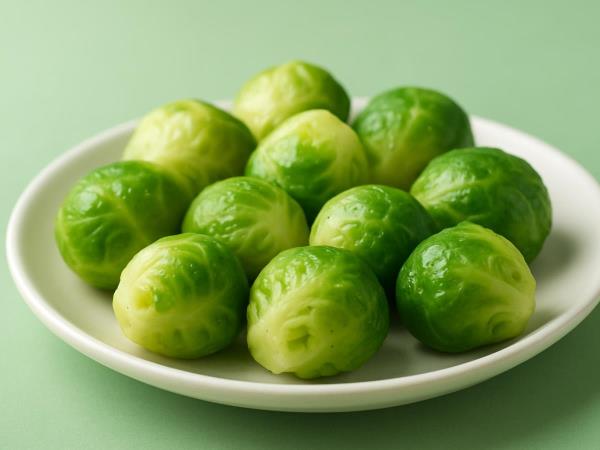

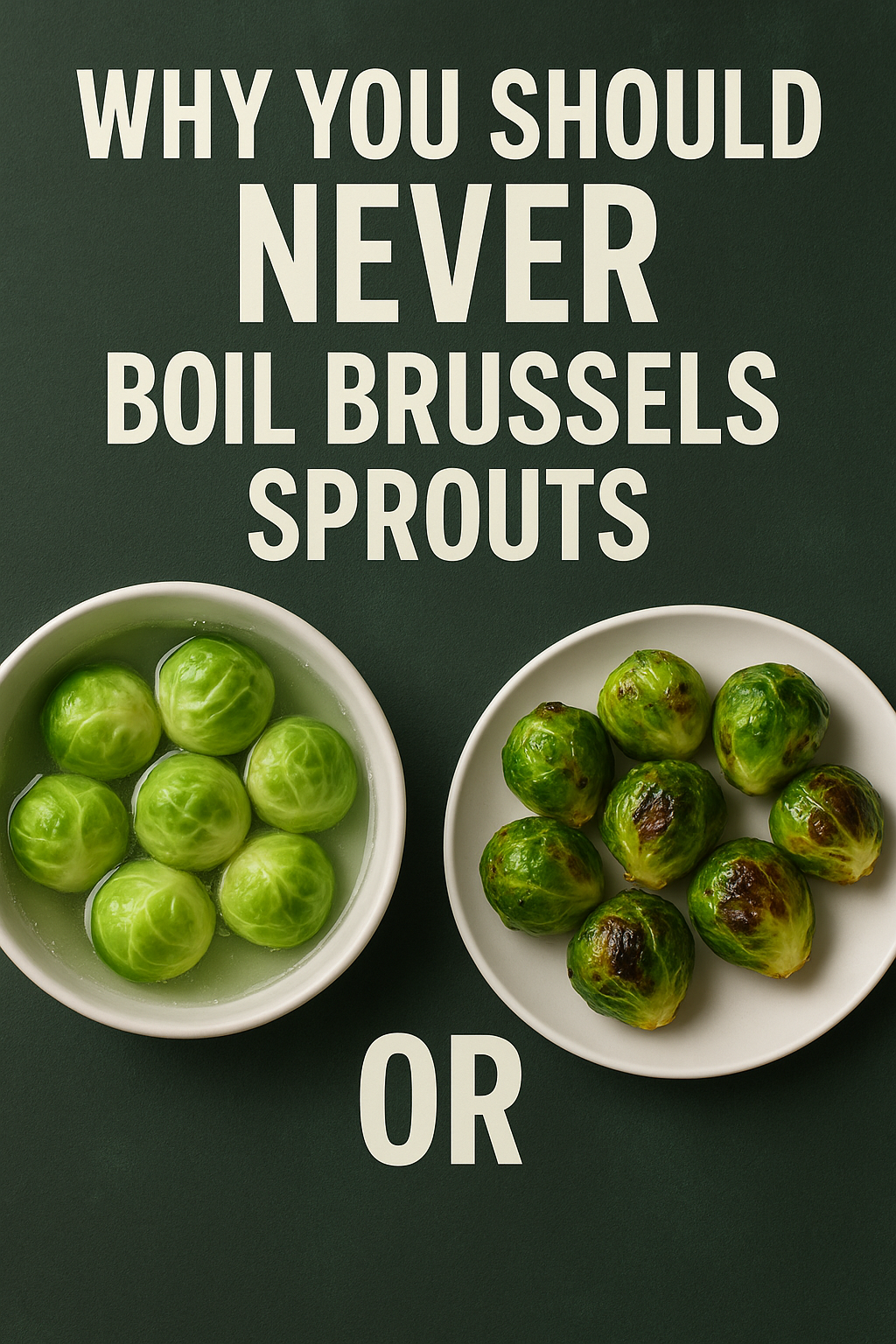


Why You Should Never Boil Brussels Sprouts - And What to Do Instead
expert, nutritionist
Boiling is the one cooking mistake that quietly strips Brussels sprouts of everything that makes them worth eating. Research published in Food Chemistry found that boiling Brussels sprouts can destroy up to 65% of their vitamin C, while steaming preserves 86{-15230}{-13416}{-15454}‚{-15700}{-15454}€{-14949}91%. A separate 2026 thermal-processing study measured an even starker loss for sulforaphane - the compound responsible for much of the vegetable's protective reputation - finding that raw Brussels sprouts contained 452 mg/kg of sulforaphane, and boiling alone drove that figure down to 178 mg/kg, a loss of more than 60%. That's a compelling reason to rethink how you cook them.
One of Winter's Most Nutritious Vegetables
Brussels sprouts are considered one of the healthiest foods on our plates. They contain a lot of vitamin C, which strengthens the immune system, and plenty of collagen-supporting nutrients that help keep skin elastic and reduce wrinkles. They also supply beta-carotene, vitamin K, calcium, phosphorus, potassium, and folate.
The harvest season in temperate northern latitudes runs from September to March, making Brussels sprouts a traditional winter-stock vegetable. Their availability all winter long, combined with a refreshing balance of bitterness and mild sweetness, makes them a natural cold-weather staple. Sprouts are considered to be at their sweetest after a frost.
Sulforaphane: The Star Compound
Numerous studies have confirmed that Brussels sprouts contain high levels of sulforaphane, which has been shown to destroy cancer cells - especially in the context of stomach cancer. It's worth being precise about what this means in practice, though: most of the dramatic results come from laboratory cell studies and animal models, not large-scale human clinical trials.
In one widely cited PubMed-indexed laboratory study on gastric cancer cell lines, purified sulforaphane showed significant dose-dependent anti-proliferative effects on gastric cancer cells after 48 hours, while leaving normal cell lines unaffected. In a separate laboratory study on breast cancer, sulforaphane decreased cancer stem-cell populations by 65{-15230}{-13416}{-15454}‚{-15700}{-15454}€{-14949}80% in human breast cancer cell cultures. Research in humans, however, remains limited, and more clinical and epidemiological investigations with broad demographic groups are needed to reach convincing conclusions - though the compelling outcomes in cancer cells clearly warrant further human study.
Sulforaphane also shows promise for skin protection. In a study published in the Proceedings of the National Academy of Sciences and covered by Medical News Today, researchers used laboratory mice and human volunteers to show that sulforaphane significantly reduced UV-induced skin redness; at the highest doses, erythema and inflammation were reduced by 37% on average. A 2025 scoping review in PMC concluded that current evidence supports a potential role for sulforaphane in mitigating UV-induced skin damage through activation of endogenous defence pathways - though as researchers note, sulforaphane is not a sunscreen: applying broccoli sprout extract and going out in the sun without protection would still result in a burn, since it doesn't shield the skin from UV rays.
It's also important to note why boiling hurts sulforaphane production so specifically: Brussels sprouts carry glucoraphanin, the glucosinolate that an enzyme called myrosinase converts to sulforaphane when plant tissue is damaged - and cooking destroys myrosinase, which is why a boiled sprout and a raw or lightly cooked one behave so differently. Boiling reduces sulforaphane levels significantly, while steaming, microwaving, and stir-frying appear to have far less effect on this compound.
The Vitamin Loss Is Real - and Measurable
Steaming is recommended to minimise the loss of hydrophilic antioxidants, while conventional boiling significantly reduces the content of vitamin C (by up to 53%) and phenolic compounds (up to 64%) in Brussels sprouts. A broader review of vegetable cooking methods, published in LWT {-15230}{-13416}{-15454}‚{-15700}{-15454}€{-14949} Food Science and Technology, confirmed that steaming, microwaving, and pressure cooking are all better options for preserving nutritional quality; boiling involved an average loss of 51% of total vitamin C and 68% of folates.
A 2022 study published in Molecules (DOI: 10.3390/molecules27061861) that specifically examined Brussels sprouts confirmed: steam cooking and sous vide cooking allow a higher level of preservation of individual compounds compared to traditional boiling.
Roast Them Instead - Here's How
The good news is that the best method for preserving nutrients also happens to produce the best-tasting results. Cut the Brussels sprouts in half, place them in a baking pan, drizzle with olive oil, and add a little garlic or red onion and shiitake mushrooms. Some people also add ham or bacon. Finish with a little parmesan and a squeeze of lemon juice for an excellent and healthy meal. Roast for about half an hour.
The shiitake mushrooms are more than a flavour upgrade. According to Foodwhisper's own 7 types of vegetables that heal the body, mushrooms such as shiitake are rich in beta-glucans that strengthen the immune system, and are the only plant source of vitamin D, essential for bone health and immune function. Pairing them with Brussels sprouts in one roasting pan makes nutritional as well as culinary sense.
As Foodwhisper's piece on Boil the Tomato, Leave the Spinach Raw: What Heat Really Does to Your Food demonstrates more broadly, a short blast of dry heat protects more of a vegetable's antioxidants than a long simmer in water ever could. Brussels sprouts are a textbook example of that principle.
If You Really Must Boil Them
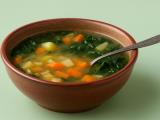
If you still prefer boiled Brussels sprouts, do not cook them for more than 5 minutes. Keeping the cooking time short limits enzyme destruction and minimises the leaching of water-soluble vitamins into the cooking water. The vegetables do lose some vitamin C to the cooking water, so saving the water and using it in soups or sauces is a sensible way to recover some of what's lost.
One more caveat worth knowing: Brussels sprouts, like other cruciferous vegetables, contain goitrogens that can interfere with thyroid function in very large amounts. As Foodwhisper's article Broccoli, Plastic, and Pesticides: Who is Quietly Sabotaging Your Thyroid? notes, cruciferous vegetables including Brussels sprouts are among the richest sources of these compounds - though the reassuring news is that moderate consumption isn't something to worry about.
Information on this website is for educational purposes only and is not medical advice.
expert, nutritionist
 Would you like to be informed about news on the website?











|

